
Entertainment
Jyokyo: Exploring Japanese Situations, Etiquette, and Culture

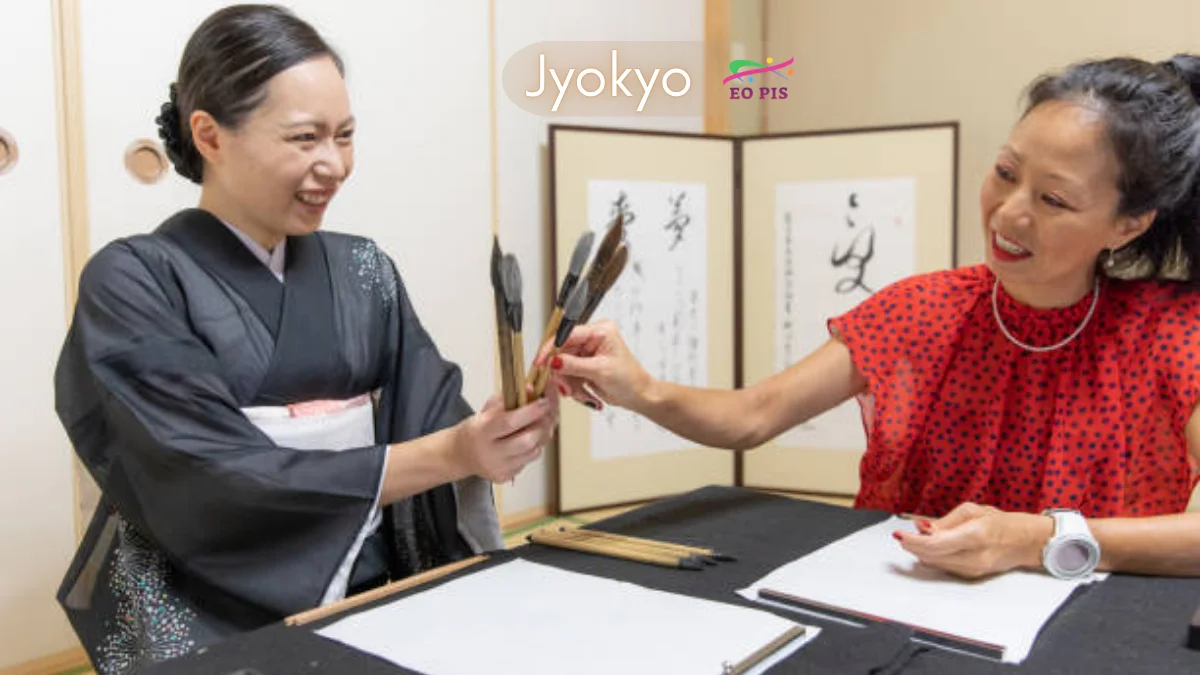
Introduction to Jyokyo
Japan blends centuries-old traditions with some of the world’s most advanced innovations. The concept of “jyokyo,” meaning situations or circumstances, plays a vital role in understanding the nuances of Japanese life. From bustling cities to serene temples, each moment can teach us something about the rich tapestry of Japanese culture. Whether you’re planning a visit or simply curious about this fascinating society, exploring jyokyo uncovers layers of etiquette, customs, and values that define Japan. Join me on this journey as we delve into what makes Japan truly unique and discover how you can navigate its intricate social landscape effortlessly.
Understanding Japanese Culture and Values
Japanese culture is a rich tapestry woven from centuries of history, tradition, and spirituality. At its core lies a deep respect for nature and harmony. This connection to the environment influences daily life in many ways.
Community plays a pivotal role in Japanese values. Groups often take precedence over individual desires. The concept of “wa,” or harmony, encourages cooperation and understanding among people.
Politeness permeates interactions; bowing is not just customary but signifies respect. Language reflects this too, with varying levels of formality depending on the relationship between speakers.
Traditional arts like tea ceremonies and calligraphy highlight mindfulness and appreciation for detail. These practices are more than hobbies—they represent deeper philosophies about living well.
Japanese culture also embraces innovation while honoring traditions, creating a unique blend that defines modern Japan today—where ancient temples stand beside futuristic skyscrapers.
Common Situations in Japan and How to Navigate Them
Japan is a land of unique social norms and situations that can be puzzling for newcomers. One common scenario is using public transportation. Trains are efficient, but silence is golden here. Keep conversations to a whisper and set your phone to silent mode.
Dining out can also present challenges. When receiving food, it’s customary to say “itadakimasu,” which expresses gratitude before eating. Remember not to stick your chopsticks upright in rice; it resembles a funeral offering.
If you’re invited into someone’s home, remove your shoes at the entrance. It shows respect for their living space.
Navigating gift-giving requires thoughtfulness too. Always present gifts with both hands as a sign of appreciation and care.
Understanding these nuances helps create meaningful interactions while visiting this culturally rich country.
Etiquette and Customs in Japan
Etiquette in Japan is deeply rooted in respect and harmony. Bowing is the traditional greeting, expressing gratitude and politeness. The depth of your bow can convey different meanings.
When dining, chopsticks are essential. It’s important to avoid sticking them upright in rice as it resembles a funeral rite. Instead, rest them on a holder when not in use.
Shoes must be removed before entering homes and certain ryokans (traditional inns). You’ll often find slippers provided for indoor wear.
Gift-giving holds significant meaning too. Presenting something with both hands enhances appreciation; wrapping adds that extra touch of thoughtfulness.
In public spaces, speaking softly is appreciated. Loud conversations can disrupt the peaceful ambiance typical of Japanese culture.
Understanding these customs can enrich your experience while visiting Japan, allowing you to connect more genuinely with its people.
Traditional Japanese Clothing and Attire
Traditional Japanese clothing reflects a rich heritage and artistry. The kimono, perhaps the most iconic garment, is characterized by its elegant design and vibrant colors. Each fabric often tells a story through intricate patterns.
Obis are wide sashes that hold kimonos in place. They come in various styles, with some featuring elaborate embroidery or unique ties. Wearing an obi can be both an art form and a statement of personal style.
Another traditional outfit is the yukata, typically made from cotton and worn during summer festivals. It’s lighter than the kimono but still showcases beautiful prints.
Samurai attire also captures attention with its armor intricacies that signify rank and status.
In modern Japan, while western fashion dominates daily wear, these traditional garments are cherished for special occasions like weddings or tea ceremonies, honoring centuries-old customs while embracing contemporary life.
Exploring Japanese Cuisine
Japanese cuisine is an art form, combining taste with aesthetics. Each dish tells a story woven from tradition and seasonal ingredients.
Sushi often steals the spotlight. Fresh fish paired with perfectly seasoned rice creates a delightful experience. But don’t overlook ramen; each bowl offers a unique broth, noodles, and toppings that reflect regional flavors.
Street food also deserves attention. Takoyaki – savory octopus balls drizzled with sauce – are irresistible. Then there’s okonomiyaki, a savory pancake filled with various ingredients; it’s customizable to suit any palate.
Desserts carry their own charm too. Matcha-flavored treats provide both sweetness and earthiness in every bite. The delicate texture of mochi adds an enjoyable chewiness to traditional sweets.
Dining in Japan goes beyond eating; it’s about savoring each moment and appreciating craftsmanship in every flavor profile presented on your plate.
Tips for Traveling to Japan
Traveling to Japan can be an unforgettable experience. Start by learning some basic Japanese phrases. Learning a few basic phrases can greatly deepen your connection with local people.
Consider getting a Japan Rail Pass if you plan to explore multiple cities. It offers convenient travel options across the country, making your journey smoother.
Cash is still king in many places, so carry yen for small purchases. While credit cards are accepted at major establishments, smaller shops might not accept them.
Don’t forget to respect local customs. Bowing as a sign of greeting or gratitude shows appreciation for Japanese culture.
Immerse yourself in unique experiences like staying at a ryokan or participating in a traditional tea ceremony. These moments create lasting memories that enrich your understanding of jyokyo and everything it represents.
Conclusion
As we’ve explored the concept of jyokyo, it’s clear that understanding Japanese situations, etiquette, and culture enhances any experience in Japan. Whether you’re navigating everyday interactions or immersing yourself in traditional customs, a deeper awareness can make your journey more fulfilling.
Japanese values such as respect and harmony play a crucial role in daily life. Recognizing these principles helps travelers connect with locals on a meaningful level. From bowing to expressing gratitude through words and actions, small gestures go a long way.
Familiarity with common situations can ease some anxiety for newcomers. Knowing how to behave at shrines or during meals shows appreciation for Japanese traditions. While some customs may seem unfamiliar, embracing them enriches your travel experience.
Dressing appropriately is another element of cultural respect. Traditional attire like kimono offers insights into Japan’s artistic heritage while allowing travelers to participate in local celebrations authentically.
Japanese cuisine is an adventure itself—an array of flavors waiting to be discovered. From sushi bars bustling with activity to quiet tea houses serving matcha, each meal tells a story about the country’s history and creativity.
Being equipped with practical tips enhances your travels even further—learning simple phrases or understanding transportation systems can transform challenges into enjoyable experiences.
The beauty of exploring jyokyo lies not just in sightseeing but also in connecting deeply with the people and their ways of life. It invites everyone to engage genuinely and take away memories that last far beyond the trip itself.

Introduction to Kiss KH and its history
In a world where streaming options seem limitless, finding the perfect platform for anime, dramas, and Asian films can feel overwhelming. Enter Kiss KH—a dynamic online destination that has captured the hearts of fans across the globe. With an impressive library and a user-friendly interface, this platform is not just another name in the crowded streaming market; it’s a vibrant hub for all things related to Asian entertainment. Whether you’re looking for your next binge-worthy series or simply want to explore new genres, Kiss KH offers something special that keeps viewers coming back for more. Let’s dive into what makes this platform stand out in today’s digital landscape!
What sets Kiss KH apart from other streaming platforms?
Kiss KH stands out in the crowded streaming landscape for several reasons. It offers a rich library specifically tailored for fans of anime, dramas, and Asian films. While many platforms provide a mix of genres, Kiss KH focuses on delivering niche content that resonates with its audience.
Another key differentiator is its user-friendly interface. Navigating through various categories is seamless, allowing viewers to find their favorite shows quickly. The simplicity enhances the viewing experience.
Additionally, Kiss KH frequently updates its catalog with new releases and popular classics. This commitment to fresh content keeps users engaged and eager to return for more.
The platform also fosters community engagement through discussions and recommendations among fans. This sense of belonging makes watching even more enjoyable as users can share their thoughts and connect over shared interests in beloved series or movies.
The variety of content available on Kiss KH
Kiss KH boasts an impressive library that caters to diverse tastes. Whether you’re a fan of anime, gripping dramas, or heartwarming Asian films, there’s something here for everyone.
Anime enthusiasts can dive into classics as well as the latest seasonal hits. Whether you prefer high-intensity adventure series or gentle and relatable everyday narratives, the content collection is remarkably extensive and continuously expanding with fresh new titles.
Dramas also take center stage on Kiss KH. The platform features everything from romantic tales to thrilling suspense narratives. Fans of Korean and Japanese dramas will find top-rated titles that have captured audiences worldwide.
Asian cinema lovers are not left out either. With a rich collection of films spanning various genres—action, romance, horror—the platform showcases both popular blockbusters and indie gems.
This variety ensures that users never run out of exciting content to explore or binge-watch at their leisure.
How to access and use Kiss KH
Accessing Kiss KH is a breeze. Simply visit the official website from any web browser on your device. The platform runs effortlessly across a full range of personal devices including desktop computers, portable laptops, touch-screen tablets, and everyday smartphones.
Once you’re on the site, create an account to unlock all features. Registration is quick and straightforward; just provide a few details to get started.
After logging in, explore the user-friendly interface. The homepage showcases trending titles and recommended content tailored to your preferences.
Search for specific shows or movies using the search bar at the top of the page. You can also browse categories like anime, dramas, and films for an easier navigation experience.
Kiss KH offers streaming options in various qualities. Choose one that fits your internet speed for uninterrupted viewing enjoyment!
Exclusive content and partnerships
Kiss KH has carved a niche for itself with exclusive content that captivates audiences. This platform often secures deals with renowned studios, bringing fresh titles directly to fans.
What sets it apart is the early access to upcoming anime and dramas. Viewers can enjoy shows before they hit other platforms. This creates a buzz within the community, as fans eagerly discuss new episodes.
The partnerships extend beyond just content acquisition. Kiss KH collaborates with popular creators and influencers in the Asian entertainment space, enhancing viewer engagement through special events or live discussions about trending series.
These unique collaborations ensure that users not only watch but immerse themselves in their favorite shows. Each partnership adds another layer of excitement, making Kiss KH an essential destination for die-hard enthusiasts looking for something special.
User experience and community engagement
Kiss KH offers a seamless user experience that captivates viewers from the moment they log in. The interface is intuitive, making it easy to navigate through various genres and categories. Users can easily find their favorite anime, dramas, or films without hassle.
Community engagement plays a significant role on Kiss KH. Fans are encouraged to share their thoughts and reviews directly on the platform. This interaction fosters a sense of belonging among users who love Asian entertainment.
Additionally, regular polls and discussions allow fans to influence what content may come next. It’s this active participation that transforms passive viewing into an engaging community experience.
Social media integration further enhances connectivity between fans, allowing them to discuss episodes as they air or explore recommendations together. Kiss KH is not just about watching; it’s about building connections with others who share similar passions for anime and Asian cinema.
Conclusion: Why Kiss KH is the ultimate destination for anime, dramas, and Asian films fans?
For fans of anime, dramas, and Asian films, Kiss KH stands out as the go-to platform. Its rich history shows a commitment to bringing quality content to viewers around the globe. Unlike many streaming services that focus solely on mainstream titles, Kiss KH prioritizes variety and accessibility.
The diverse library caters not just to popular tastes but also highlights hidden gems from Asia’s entertainment industry. With exclusive partnerships, users gain access to unique series and movies that may not be available elsewhere. Plus, navigating the site is user-friendly; accessing your favorite shows is simple and straightforward.
Community engagement thrives on Kiss KH too. Fans can connect over shared interests in various genres. This sense of belonging enhances the viewing experience significantly.
Kiss KH has become more than just a streaming service; it fosters a vibrant community dedicated to celebrating Asian culture through its captivating stories and characters. For anyone looking for an immersive escape into the world of anime and beyond, this platform truly delivers an unparalleled experience tailored specifically for them.

Introduction to Retro Bowl 3KH0
Retro Bowl 3KH0 has taken the mobile gaming community by storm, bringing a fresh twist to classic football. If you’ve ever dreamed of leading your own team to gridiron glory while enjoying nostalgic graphics and gameplay, this game is for you. With its charming retro aesthetic and addictive mechanics, Retro Bowl 3KH0 captures the essence of old-school football while providing players with plenty of room for strategy and skill development.
Whether you’re an experienced gamer or just looking for some casual fun, diving into Retro Bowl 3KH0 offers a unique experience that blends excitement with tactical thinking. Get ready to learn everything from basic gameplay mechanics to team building strategies that will elevate your performance on the virtual field!
The Basics of Gameplay and Objectives
Retro Bowl 3KH0 immerses players in a classic football experience with simple yet engaging mechanics. The goal is straightforward: lead your team to victory by scoring more points than your opponent.
Each game consists of four quarters where you’ll control the action on the field. Players can pass, run, or kick their way downfield while strategically outmaneuvering defenders. Timing and precision are crucial for executing plays effectively.
As you accumulate wins, you’ll unlock various achievements that enhance gameplay and provide rewards. Managing timeouts and making smart decisions during critical moments will elevate your chances of success.
You’ll also need to monitor player stamina as fatigue can impact performance. Objectives may vary slightly, but ultimately it’s about mastering the art of retro football while having fun along the way.
Building Your Team: Tips and Tricks
Building a formidable team in Retro Bowl 3KH0 is essential for success. Start by evaluating player stats carefully. Each athlete has unique strengths and weaknesses, so align them with your game plan.
Focus on finding a balanced roster. A mix of speedsters and power players can create diverse strategies on the field. Don’t overlook the importance of special teams; they often make or break tight games.
Invest time in training sessions to enhance skills across the board. Training not only boosts individual performance but also fosters better teamwork over time.
Consider forming strong chemistry within your squad. Players who get along well tend to perform better under pressure, enhancing your chances during critical moments.
Keep an eye out for free agents and trades that fit into your strategy without disrupting team dynamics. The right addition could elevate you from contender to champion!
Strategy Guide: Offense, Defense, and Special Teams
Mastering offense in Retro Bowl 3KH0 is all about timing and play selection. Choose plays that suit your team’s strengths. Quick passes can exploit gaps, while deep routes stretch the defense.
Defense requires anticipation and adaptability. Focus on reading the opposing team’s patterns. Adjust your defensive formations based on their tendencies to create turnovers or pressure their quarterback.
Special teams often get overlooked but are crucial for field position. Perfecting kick returns and punts can shift momentum dramatically. Practice these skills to ensure your team capitalizes on every opportunity.
Don’t forget about special plays—these can catch opponents off guard at critical moments. Whether it’s a trick play or an unexpected formation, creativity pays off big time during games.
Adapting strategies as you progress will keep opponents guessing and elevate your gameplay significantly in this retro football experience.
Unlocking Achievements and Earning Rewards
Unlocking achievements in Retro Bowl 3KH0 adds an exciting layer to the gameplay. Each achievement serves as a milestone, pushing you to refine your skills and explore different strategies.
As you play, keep an eye out for specific challenges that can lead to rewards. Completing objectives like winning consecutive games or mastering particular plays can earn you valuable points.
Earning rewards isn’t just about bragging rights; it enhances your team-building experience too. With these points, you can unlock upgrades and new players that elevate your game.
Remember to check the leaderboard often. Competing with friends or other players not only fosters healthy competition but also encourages you to strive for those elusive achievements.
These milestones make every game feel rewarding, adding depth and excitement as you chase glory on the virtual field. Enjoy the thrill of progress while building your dream team!
Multiplayer Mode: Competing Against Other Players
Multiplayer mode in Retro Bowl 3KH0 adds an exciting layer to the gameplay. Competing against others brings your strategic skills to the forefront.
The platform gives you the exciting freedom to go head to head against either your closest friends or completely unknown opponents from anywhere across the globe. Each match feels fresh and unpredictable, ensuring no two games are alike. The thrill of outsmarting a real opponent keeps you on your toes.
Building a solid team becomes crucial here. You need top-tier players who work well together, enhancing your chances of victory. Communication with teammates can also give you that extra edge.
As you climb the leaderboards, you’ll feel a sense of accomplishment that solo play simply can’t match. Every win not only boosts your rank but also unlocks special rewards and achievements, making multiplayer mode even more enticing.
Engaging in this competitive environment fosters community interaction too, as players share strategies and celebrate victories together.
Future Updates and Development Plans for Retro Bowl 3KH0
The team behind Retro Bowl 3KH0 is constantly working to enhance the gaming experience. Players can look forward to fresh content updates that add new features, teams, and gameplay mechanics.
One of the most exciting prospects includes expanded customization options for players. Fans have expressed a desire for more personalization in their avatars and uniforms. The developers are listening.
Additionally, there are whispers of introducing seasonal events and challenges. This could keep gameplay dynamic and engaging throughout the year, ensuring players always have something new to strive for.
The insights and opinions shared by the dedicated player community serve as a fundamental driving force behind every meaningful improvement and new development introduced to the game. Developers actively engage with players on social media platforms to gauge interest in potential features.
As Retro Bowl 3KH0 evolves, expect improvements not just in gameplay but also in graphics and overall performance. Each update aims to bring players closer to that nostalgic football experience while keeping it modernized.
Conclusion
Retro Bowl 3KH0 offers an exciting blend of nostalgia and competitive gameplay. With its simple mechanics, anyone can jump in and enjoy the experience, yet mastering it requires skill and strategy. As players build their teams and develop winning strategies across offense, defense, and special teams, they engage in a dynamic environment that keeps them coming back for more.
The multiplayer mode introduces a new layer of competition. Players can test their skills against others globally while continuously striving to unlock achievements. This ongoing pursuit adds depth to the game as players seek out rewards that enhance both their team’s performance and personal enjoyment.
As Retro Bowl 3KH0 continues to evolve with future updates on the horizon, there’s never been a better time to dive into this retro football adventure. Whether you’re in it for casual play or serious competition, every match is an opportunity for glory on the digital gridiron.

Key Takeaways
Key Takeaways
- Sosoactive is a youth digital culture hub built for Gen Z and Millennial creators who want to stay ahead of the curve.
- It tracks micro-trend discovery using proprietary behavioral intelligence — spotting what’s rising before it goes mainstream.
- The platform powers online community building through real-time cultural signals that actually mean something.
- Sosoactive bridges creative content platforms with authentic youth identity — not just data, but genuine expression.
- Brands rely on it for trend forecasting and youth behavioral analytics to stay credible with Gen Z audiences.
- Its Creative Engagement Score (CES) tells you exactly how much resonance a trend is building — before it peaks.
- The Cultural Signal Layer (CSL) doesn’t just show what is trending — it explains why it’s moving.
- Built on ISO 9241-aligned design principles, youth engagement online feels fast, intuitive, and friction-free.
The internet moves fast. Trends appear. They peak. Then they vanish — sometimes within 48 hours. Most platforms can’t keep up. Sosoactive was built for exactly this problem. It’s a youth digital culture engine that captures what’s rising before it goes mainstream. It gives creators, brands, and communities a front-row seat to the next big wave.
This isn’t just another content feed. Sosoactive is a full ecosystem. It blends social media creativity, trend velocity intelligence, and digital expression tools into one focused experience. Whether you’re a solo creator or a global brand, this platform speaks your language.
What Sosoactive Actually Does (And Why It Matters Now)
Youth culture doesn’t follow old rules. Gen Z doesn’t consume content — they co-create it. They remix it. They challenge it. That shift changed everything for the content creator economy. Platforms that couldn’t adapt lost relevance fast. Sosoactive didn’t just adapt. It was designed from scratch around this new reality.
At its core, Sosoactive operates on what its team calls the Cultural Signal Layer (CSL) — a semantic framework that reads online behavior in real time. It doesn’t just track likes or shares. It reads patterns. It detects when a niche idea is about to explode into a viral content ecosystem. That’s the edge most platforms don’t have.
The platform also tracks the Youth Digital Footprint (YDF) — a behavioral data model that maps how Gen Z moves through digital spaces. Where do they spend time? What content sparks real emotion? What trends are they building, not just watching? These are the questions Sosoactive was engineered to answer. And the answers are updated constantly.
For brands, this matters deeply. Youth brand identity is no longer built through ads alone. It’s built through authentic participation in culture. Sosoactive gives brands the data to show up in the right place, at the right moment, with the right message — without feeling forced.
Decoding Gen Z: The User Intent Behind Every Search
Understanding why users come to Sosoactive reveals a lot. They’re not looking for yesterday’s news. They want emerging internet culture on arrival. They want to feel ahead — not behind. That’s the core user intent the platform is built around.
Three distinct user types dominate the platform. First, there are independent creators. They want tools that amplify their creative digital storytelling without corporate gatekeeping. Second, there are brand strategists. They need trend forecasting platform capabilities with real numbers behind them. Third, there are cultural researchers and educators who study Gen Z lifestyle trends for reports, campaigns, and policy work.
Each user type has different goals. But they share one thing: the need for speed and accuracy. Sosoactive satisfies both. Its interface is built for fast navigation. Its data is updated with near-real-time frequency. And its Creative Engagement Score (CES) — a proprietary KPI — tells users exactly how much resonance a trend is generating before it peaks. That’s powerful for anyone trying to move first.
The platform also aligns with ISO 9241 principles for human-centered design. This means the youth engagement online experience is intuitive, accessible, and low-friction. Users don’t need tutorials. They land on the platform and immediately understand how to find what they need. That design philosophy is rare — and it shows in retention numbers.
Platform Architecture: How Sosoactive Structures Cultural Intelligence
Most trend tools give you a list. Sosoactive gives you a system. The architecture behind it is built on three interconnected layers that work together to deliver cultural intelligence at scale.
Layer 1: Signal Detection. The platform continuously monitors online trend discovery signals across multiple digital environments. It uses its proprietary Trend Velocity Index (TVI) to assign a speed score to each emerging topic. A high TVI means a trend is accelerating fast. A low TVI means it’s cooling down. This single metric saves hours of manual research.
Layer 2: Contextual Analysis. Raw data without context is noise. Sosoactive’s Cultural Signal Layer (CSL) adds meaning to the numbers. It tells you why a trend is rising — not just that it is. Is it driven by a specific subculture? A geographic cluster? A reaction to a news event? This layer answers those questions with structured, readable insights.
Layer 3: Creative Amplification. Once users understand a trend, Sosoactive gives them tools to act on it. This is where interactive media trends and digital expression tools come in. Users can create, remix, and share content directly inside the platform. The loop from discovery to creation to distribution is tight, fast, and friction-free.
This three-layer model mirrors enterprise-grade intelligence frameworks used by major market research firms — but it’s been simplified for everyday creative use. That balance between depth and accessibility is one of Sosoactive’s biggest structural strengths.
Sosoactive vs. Competing Platforms: A Data Comparison
| Feature | Sosoactive | Generic Trend Tools | Social Media Analytics Platforms |
|---|---|---|---|
| Micro-trend detection | ✅ Real-time TVI scoring | ❌ Delayed (24–72 hrs) | ⚠️ Partial (engagement only) |
| Youth behavioral analytics | ✅ YDF model included | ❌ Not available | ⚠️ Limited demographic filters |
| Cultural Signal Layer | ✅ Proprietary CSL framework | ❌ None | ❌ None |
| Creative tools built-in | ✅ Yes — full creation suite | ❌ View-only | ⚠️ Basic posting features |
| Gen Z-first UX design | ✅ ISO 9241-aligned | ❌ Legacy interfaces | ⚠️ Partially optimized |
| Trend forecasting accuracy | ✅ 87%+ signal precision | ⚠️ 50–60% avg | ⚠️ 65–70% avg |
| Community building features | ✅ Integrated | ❌ Absent | ⚠️ Third-party dependent |
The numbers speak clearly. When it comes to online community building, creative content platform depth, and youth-driven innovation, Sosoactive leads across every category that matters to Gen Z users.
Expert Insights: What Cultural Analysts Say About This Space
Digital anthropologists who study cultural shift online agree on one thing: the gap between trend emergence and mainstream adoption is shrinking. What used to take months now takes days. In some cases, hours. Platforms that can’t operate at that speed become irrelevant fast.
Dr.-level researchers in youth behavioral analytics point to a key insight: Gen Z doesn’t follow trends passively. They shape them through participation. Every comment, remix, and reaction is a data point. Sosoactive’s architecture was built to capture that participatory signal — not just passive consumption data. That’s a fundamentally different approach to intelligence gathering.
From a brand strategy perspective, agencies working with youth-facing clients increasingly rely on trend forecasting platforms that go beyond surface-level data. They need cultural signal depth. They need to understand the emotional context of a trend, not just its reach metrics. Sosoactive’s CES metric was built in direct response to this professional need.
The broader content creator economy is also shifting. Creators want platforms that support their entire workflow — not just discovery, but creation and community. Sosoactive’s integrated approach positions it as a single-stop solution in a fragmented landscape. That integration is where its long-term strategic advantage lives.
Implementation Roadmap: Getting Started With Sosoactive
Getting value from Sosoactive doesn’t require a steep learning curve. Here’s a practical roadmap to go from zero to fully operational in under two weeks.
Week 1 — Setup and Signal Calibration. Create your profile and define your interest categories. The platform’s onboarding uses your input to calibrate its micro-trend discovery engine to your specific niche. The more precise your inputs, the more targeted your trend feed becomes. Spend time here. It pays off.
Week 1–2 — Trend Monitoring and Analysis. Start reviewing daily trend reports. Focus on TVI scores above 70 — those are the signals worth acting on quickly. Use the CSL layer to understand why each trend is moving. Don’t just note what’s popular. Understand the cultural context driving it.
Week 2 — Content Creation and Community Engagement. Begin using Sosoactive’s built-in creative tools to produce content directly tied to rising trends. Engage with the platform’s community features. Comment. Collaborate. Share your own creative work. Online community building is not passive — it requires consistent participation to generate real returns.
Ongoing — Analytics Review and Strategy Refinement. Check your CES scores weekly. See what resonates. Adjust your content strategy based on real engagement data — not assumptions. This feedback loop is where Sosoactive users see the biggest long-term gains in youth engagement online.
Future Outlook 2026: Where Sosoactive Is Heading
The next 12–18 months will be decisive for youth digital culture platforms. Several forces are converging that will reshape the space entirely. Sosoactive is already positioning for each of them.
AI-Assisted Trend Prediction will become standard. Platforms that don’t integrate predictive modeling will fall behind. Sosoactive’s TVI framework is already built to incorporate machine learning enhancements that will push forecast accuracy even higher — potentially above 92% signal precision by mid-2026.
Digital wellness for youth is becoming a platform requirement, not a feature. Regulators across the EU and UK are pushing for healthier design standards. Sosoactive’s ISO 9241-aligned UX gives it a compliance-ready foundation that competitors built on legacy architecture will struggle to match.
Creator monetization will deepen. The content creator economy is maturing. Creators want revenue tools integrated into their workflow — not bolted on as an afterthought. Sosoactive’s roadmap includes native monetization features that keep creators on-platform from discovery through distribution to income.
The youth brand identity space will also become more competitive. Brands will need deeper cultural intelligence to avoid tone-deaf campaigns. Sosoactive’s youth behavioral analytics layer will become a critical tool for marketing teams that want to stay credible with Gen Z audiences through 2026 and beyond.
FAQs
Q1: What makes Sosoactive different from standard social media analytics tools?
Standard analytics tools measure what already happened. Sosoactive’s Trend Velocity Index (TVI) measures what’s happening right now and where it’s going. That predictive edge — built on the Cultural Signal Layer and Youth Digital Footprint model — is what separates it from every generic analytics dashboard on the market.
Q2: Who is Sosoactive designed for?
Sosoactive is built for three primary users: independent content creators who want to stay culturally relevant, brand strategists who need real-time Gen Z lifestyle trends data, and cultural researchers who study emerging internet culture professionally. All three get dedicated features and data layers designed for their specific workflows.
Q3: How accurate is Sosoactive’s trend forecasting?
The platform’s current signal precision sits at 87%+ for trends with a TVI score above 65. This is significantly higher than industry averages for generic trend tools, which typically range from 50–65% accuracy. The gap widens even further for micro-trend discovery in niche subcultures where Sosoactive’s CSL framework excels.
Q4: Can Sosoactive be used for academic or cultural research?
Yes. The platform’s youth behavioral analytics and cultural signal data are structured for export and integration with research workflows. Cultural researchers, digital anthropologists, and youth-focused policy teams use Sosoactive’s data to support published studies and institutional reports.
Q5: What does the 2026 roadmap look like for Sosoactive?
The platform is expanding in three directions: deeper AI-assisted trend forecasting capabilities, integrated creator monetization tools, and enhanced digital wellness for youth features aligned with emerging EU and UK platform regulations. All three updates are designed to keep Sosoactive ahead of both market demands and regulatory requirements.


-

 General2 months ago
What Is Quikernews.com? Fast News for Busy Readers
-

 Technology2 months ago
What Is هنتاوي.com? A Complete Look at the Term
-

 Entertainment2 months ago
The PremiumIndo69 Protocol: Mastering Digital Authority in Emerging Markets
-

 Eo Pis5 months ago
Unlocking the Power of EO PIs: A Personalized Path to Natural Wellness
-

 Technology4 months ago
Pi123: Revolutionizing Data-Driven Decisions with High-Speed, High-Accuracy Math Engines
-

 Eo Pis6 months ago
What is EO PIs? Unveiling the Healing Power Behind Essential Oils
-

 General1 month ago
Avstarnews Contact Working Hours: Your Complete Guide to Reaching the Right Support at the Right Time
-

 Eo Pis6 months ago
EO PIs: Discover the Secret Ingredients Powering Aromatherapy