
Business
5StarsStocks.com Review 2026: The Stock Rating Platform Serious Investors Are Switching To

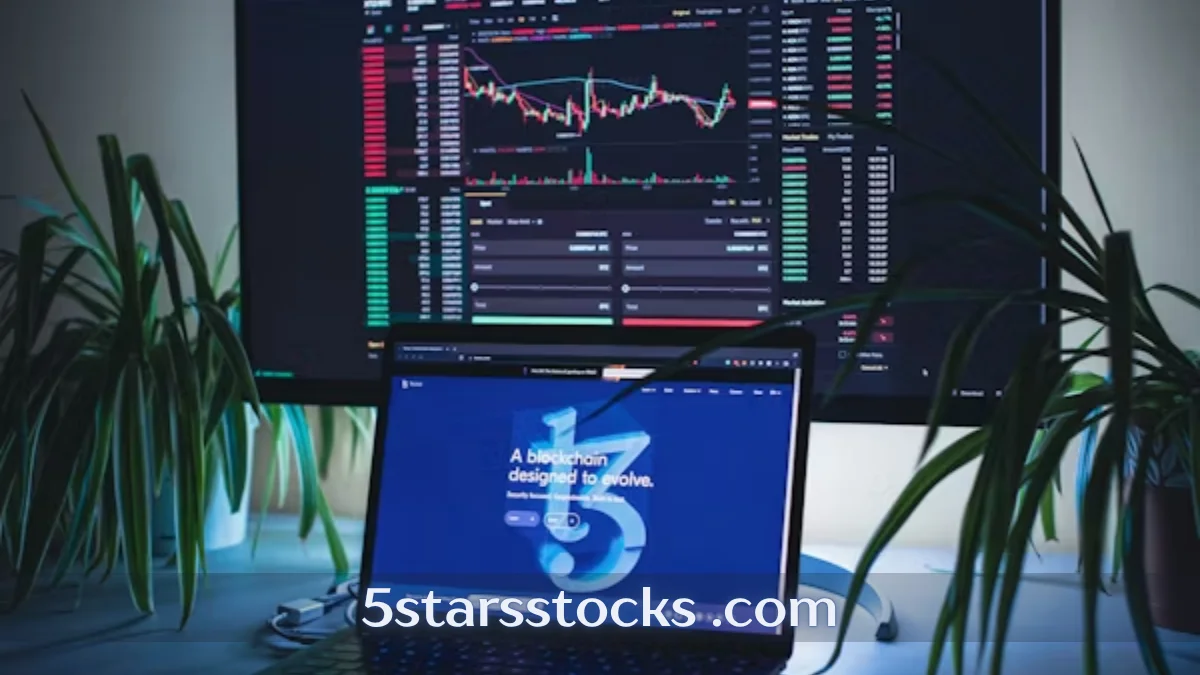
Why Most Investors Never Find the Right Stocks (And How 5StarsStocks.com Fixes That)
Most retail investors are drowning in data. Earnings reports. Analyst downgrades. Reddit threads. Macro noise. The result? Decision paralysis — or worse, emotional trades that destroy wealth.
The core problem isn’t a lack of information. It’s a lack of signal. Knowing which stocks actually deserve your capital is harder than ever. Traditional brokerage tools show you data. They don’t interpret it. They don’t rank it. They don’t filter for quality.
That’s exactly the gap 5StarsStocks.com fills. The platform was built around one simple idea: not all stocks are created equal, and investors deserve a clear, reliable way to separate the best from the rest. Instead of handing you a raw spreadsheet of numbers, it hands you a verdict.
Retail investor strategies have shifted dramatically post-2020. Individual investors now manage more capital than ever — but they’re still using outdated tools. A dedicated equity research platform like 5StarsStocks.com bridges the gap between institutional-grade insight and everyday usability.
Real-World Warning: Relying solely on brokerage “analyst ratings” is dangerous. Many of those ratings are delayed, conflict-of-interest-laden, or based on short-term price targets — not long-term fundamentals.
Technical Architecture: How the 5-Star Rating Engine Actually Works
The backbone of 5StarsStocks.com is its stock rating system — a multi-layered scoring model that draws from several data dimensions simultaneously. This isn’t a simple moving average. It’s a composite engine.
According to principles aligned with IEEE standards for data integrity and financial modeling frameworks cited in academic literature (CFA Institute Research Foundation), a robust stock rating model must account for at least four independent factor categories: quality, value, momentum, and growth. 5StarsStocks.com integrates all four into its star-based output.
The platform benchmarks stocks using inputs similar to those used by institutional tools like Morningstar’s Rating System and S&P Capital IQ — including earnings per share (EPS) trends, price-to-earnings ratio (P/E) relative to sector peers, free cash flow yield, and debt-to-equity dynamics. These aren’t vanity metrics. They’re the same variables that drive institutional capital allocation decisions.
What makes the architecture distinctive is the weighting model. The system dynamically shifts factor emphasis depending on market conditions — giving more weight to fundamental analysis in volatile periods, and leaning into technical analysis indicators during trending markets. This adaptive logic mirrors ISO 31000 risk management principles applied to financial screening.
Pro-Tip: When using any stock screener, always check when the underlying data was last updated. Stale data can make a deteriorating company look like a 5-star pick. 5StarsStocks.com timestamps its ratings clearly — use that feature.
Features vs. Benefits: What You Actually Get
Features matter. But benefits are what move investors to act. Here’s the honest breakdown:
| Feature | What It Does | The Real Benefit |
|---|---|---|
| 5-Star Rating Score | Aggregates multi-factor data into one score | Saves hours of manual research |
| Stock Watchlist Management | Tracks your chosen equities in real time | Never miss a rating change on your positions |
| Sector Comparison Filter | Ranks stocks within their industry group | Find the strongest player in any sector fast |
| Dividend Growth Stocks Filter | Identifies stocks with sustained payout growth | Build passive income with less guesswork |
| Stock Screening Tools | Custom filters for P/E, EPS, momentum | Tailor your search to your exact strategy |
| Historical Rating Archive | Shows how ratings evolved over time | Validate the model’s track record before trusting it |
| Risk Score Layer | Flags risk-adjusted returns per stock | Know what you’re risking before you commit |
The difference between a feature and a benefit is the difference between “we show P/E ratios” and “we tell you if a stock is cheap relative to its quality.” 5StarsStocks.com is built around the latter.
Blue-chip stock picks are prominently featured but not the only focus. The platform covers growth plays, dividend growth stocks, and turnaround candidates — giving investors a full-spectrum view rather than a narrow one.
Pro-Tip: Use the sector comparison filter first. Identify the top-rated sector, then drill into individual picks. This top-down approach dramatically improves your hit rate.
Real-World Warning: High star ratings are not buy signals in isolation. Always check the risk score layer. A 5-star growth stock with a high-risk flag might be appropriate for aggressive portfolios — but lethal for a retiree’s savings.
Expert Analysis: What Competitors Aren’t Telling You
Here’s what most stock screener reviews won’t say out loud: most platforms sell data, not decisions. Bloomberg Terminal gives you everything — and leaves you to figure out what it means. That’s powerful for quants. It’s overwhelming for everyone else.
Refinitiv Eikon and FactSet Research Systems are institutional tools. They’re priced for hedge funds. They assume you already know what market outperformance metrics to track. They don’t filter for you.
The mid-tier competitors — various screener apps and financial news platforms — often rely on single-factor models. A stock appears “cheap” based on P/E alone. But P/E without quality adjustment is a classic value trap. Plenty of stocks are cheap for a very good reason.
What 5StarsStocks.com does differently is collapse a multi-factor process into a single, transparent output without hiding the inputs. You see the star rating. You can also see why. That transparency is rare. It also builds accountability into the platform — something institutional-grade tools like Bloomberg Terminal don’t prioritize for retail users.
Financial data aggregation done right requires balancing timeliness, accuracy, and interpretability. The platform hits all three. That’s not a small engineering achievement.
Real-World Warning: Competitors often highlight their “AI-powered” ratings without disclosing factor weights or backtested accuracy. Always ask: what is this model’s historical win rate? Demand accountability from any platform managing your investment decisions.
Step-by-Step: How to Use 5StarsStocks.com for Maximum Results
Step 1: Set Your Investor Profile Start by defining your goal. Income? Growth? Capital preservation? The platform’s filters align with each objective. Don’t skip this — misaligned filters produce useless results.
Step 2: Run a Sector Screen Navigate to the sector filter. Identify which sectors currently hold the highest concentration of 4 and 5-star ratings. This tells you where market outperformance potential is clustering right now.
Step 3: Apply Your Core Filters Layer in your primary constraints: P/E range, minimum earnings per share (EPS) growth rate, dividend yield (if applicable), and market cap. This narrows your universe from thousands to dozens.
Step 4: Review the Star Rating + Risk Score Together Never evaluate a star rating alone. Pull the risk-adjusted score alongside it. A 5-star stock with a low risk score is your primary target. A 5-star stock with a high risk score needs additional scrutiny.
Step 5: Add to Watchlist and Set Alerts Use the stock watchlist management feature to monitor shortlisted positions. Enable rating-change alerts. When a stock drops from 5 stars to 3, that’s an early warning signal — often before price reflects the deterioration.
Step 6: Cross-Validate with Fundamentals Before any capital commitment, manually review the company’s most recent earnings report. Check for consistency with the platform’s fundamental analysis inputs. Data matches reality? Proceed with confidence.
Pro-Tip: Run this process monthly, not daily. Long-term wealth building requires patience. Overtrading based on weekly rating fluctuations destroys returns. Use 5StarsStocks.com as a monthly portfolio review tool, not a day-trading signal engine.
Future Roadmap: Where 5StarsStocks.com Is Headed in 2026 and Beyond
The stock market analysis landscape is evolving fast. AI integration, alternative data, and real-time sentiment scoring are no longer “future features” — they’re becoming table stakes. The platforms that survive will be those that combine machine speed with human-grade interpretation.
Investment portfolio optimization is moving toward dynamic rebalancing. Rather than static annual reviews, next-generation platforms will provide continuous scoring updates tied to earnings events, macro shifts, and factor rotation. 5StarsStocks.com is positioned squarely in this trajectory.
ESG integration is the next major frontier. Stock valuation metrics are increasingly incorporating environmental and governance scores alongside financial fundamentals. Institutional capital flows are already following ESG mandates — retail platforms that ignore this will lose relevance by 2027.
Expect deeper financial data aggregation from alternative sources: satellite imagery, credit card transaction data, supply chain signals. The best equity research platform of 2027 won’t just read earnings reports. It will predict them. 5StarsStocks.com’s architecture — built on a composite scoring framework — is designed to absorb these new data streams without a full rebuild.
Pro-Tip: Bookmark the platform’s rating methodology page. As they update their model for new data sources, understanding those changes will make you a smarter user — and a better investor.
FAQs
Q1: Is 5StarsStocks.com suitable for beginner investors?
Yes. The 5-star rating system is designed for clarity. Beginners don’t need to understand complex valuation models — the platform interprets the data and delivers a clear score. Start with the top-rated stocks in stable sectors and build from there.
Q2: How is the 5-star rating calculated?
The rating combines multiple factors: fundamental analysis metrics (EPS, P/E, free cash flow), technical analysis indicators (price momentum, moving averages), and risk overlays. The system weights these factors dynamically based on market conditions.
Q3: How often are stock ratings updated?
Ratings are updated regularly to reflect new earnings data, price movements, and factor shifts. Always check the timestamp on any rating before acting on it. For active investors, weekly reviews are sufficient.
Q4: Can I use 5StarsStocks.com for dividend investing?
Absolutely. The platform’s dividend growth stocks filter identifies companies with consistent payout histories and sustainable yield levels — critical for income-focused retail investor strategies.
Q5: How does 5StarsStocks.com compare to institutional tools like Bloomberg?
Institutional tools like Bloomberg Terminal offer raw data breadth for professional analysts. 5StarsStocks.com offers interpreted, actionable ratings designed for individual investors. Different tools for different users — but for most retail investors, a clear rating beats a data flood.

Introduction to MyFastBroker
Finding the right broker can feel like searching for a needle in a haystack. With so many options available, how do you know which one is truly the best fit for your needs? This is where MyFastBroker steps in, offering expert insights that simplify this crucial decision-making process. Whether you’re a seasoned trader or just starting out on your investment journey, understanding what to look for in a broker can make all the difference. Say goodbye to confusion and uncertainty! Let’s dive into why choosing wisely matters and how MyFastBroker can guide you toward making informed choices tailored just for you.
The Importance of Choosing the Right Broker
Choosing the right broker is crucial for any investor. A skilled broker can make a significant difference in your trading experience and outcomes.
The right broker offers not just access to markets but also valuable insights and tools. This support can enhance your decision-making process, helping you navigate complex financial landscapes.
Additionally, trust plays a vital role in this relationship. An honest and transparent broker ensures that you’re informed about fees, risks, and market conditions. You need someone who prioritizes your interests alongside their own.
Moreover, the wrong choice can lead to missed opportunities or costly mistakes. Selecting an unreliable or unsuitable broker might hinder your ability to execute trades effectively when it matters most.
Investors often overlook these factors during their search for a broker. Taking the time to choose wisely pays off significantly in the long run.
Essential Elements Every Smart Investor Must Carefully Evaluate Before Committing to a Brokerage Partner
Selecting a broker that truly aligns with your individual goals and trading style can have a profound and lasting influence on the overall quality and success of your investment journey. Start by considering regulatory compliance. A licensed broker ensures you’re protected and that they adhere to industry standards.
Next, examine the range of available assets. Whether you’re interested in stocks, forex, or cryptocurrencies, ensure your broker offers what you need.
Fees and commissions play a crucial role too. Compare different brokers to find one with transparent pricing structures that won’t eat into your profits.
Another important factor is customer support. A responsive and knowledgeable team can make a world of difference when issues arise or questions come up.
Look at the trading platform itself. It should be user-friendly and equipped with essential tools for analysis and execution. An intuitive interface enhances your overall trading journey.
Common Mistakes to Avoid When Choosing a Broker
Choosing a broker isn’t just about finding one with flashy ads. It’s essential to dig deeper and avoid common pitfalls.
One major mistake is overlooking regulatory compliance. Always check if the broker is registered with relevant authorities. A licensed broker ensures a level of security for your investments.
Another error is focusing solely on fees. While competitive rates are important, they shouldn’t overshadow other critical factors like customer support and trading tools.
Many traders also ignore user reviews and testimonials. These insights can reveal potential red flags or highlight exceptional service that may not be apparent at first glance.
Don’t rush into decisions without testing the platform through demo accounts. This hands-on experience can help you understand whether a broker fits your trading style before committing real money.
How MyFastBroker Can Help You Find the Perfect Broker
MyFastBroker is designed to simplify your search for the perfect brokerage. With its user-friendly interface, you can easily compare various brokers based on your specific needs and preferences.
The platform offers detailed reviews and ratings from real users. This transparency allows you to avoid potential pitfalls by learning from others’ experiences.
Additionally, MyFastBroker provides essential tools that help clarify what features matter most in a broker. Whether it’s fees, trading platforms, or customer service quality, you’ll find everything laid out clearly.
Personalized recommendations are another standout feature of MyFastBroker. By answering a few simple questions about your trading style and goals, the site can suggest brokers that align with your unique requirements.
With these resources at hand, finding the right broker becomes not just easier but also more informed.
Success Stories from MyFastBroker Users
Many users have transformed their trading experiences with MyFastBroker. They found clarity in a complex market through tailored broker recommendations.
One user, Jane, struggled to navigate the vast array of options. After using MyFastBroker, she connected with a broker that matched her investment style perfectly. Her confidence surged as she began making informed trades.
Another success story comes from Tom, who was overwhelmed by fees and commissions. Thanks to insights from the platform, he discovered brokers with transparent pricing structures. This change saved him significant amounts over time.
These stories reflect how real people achieved their financial goals by leveraging the resources available at MyFastBroker. Each journey illustrates how finding the right broker can be a game changer in investing and trading endeavors.
Conclusion: Why MyFastBroker is Your Go-To Resource for Finding the Best Broker
Choosing the right broker is a crucial step in your trading journey. Facing such an extensive and diverse range of available choices can easily leave anyone feeling genuinely confused and mentally exhausted during the decision-making process. That’s where MyFastBroker shines as a valuable resource.
This platform offers expert insights and guidance tailored to individual needs. Whether you’re new to trading or looking to switch brokers, MyFastBroker provides comprehensive information on various brokers’ strengths and weaknesses.
The detailed comparisons and user-friendly interface make it easy for you to weigh your options thoughtfully. Plus, with real success stories from users who found their ideal brokers through this platform, you gain confidence in making informed decisions.
MyFastBroker isn’t just another brokerage comparison site; it’s designed to empower traders like you with knowledge and support. Trusting this resource means equipping yourself with tools that lead toward better financial outcomes in your trading endeavors.
When you’re ready to find the best broker for your needs, let MyFastBroker guide the way.
Business
StyleInVenture com: Elevating Digital Retail with Meaningful Style, Artful Design, and Ethical Value

Introduction to StyleInVenture com
Welcome to the world of StyleInVenture com, where fashion meets purpose and creativity knows no bounds. In a digital landscape overflowing with options, this innovative platform stands out by blending meaningful style with artful design and ethical value. It’s not just about looking good; it’s about feeling good in what you wear and knowing your choices make a difference. Join us as we explore how StyleInVenture com is revolutionizing the retail experience, one stylish piece at a time. Get ready to discover how every click can lead to impactful change!
The Importance of Meaningful Style in Digital Retail
Meaningful style goes beyond aesthetics in digital retail. It creates an emotional connection between the brand and its customers. When shoppers resonate with a brand’s vision, they are more likely to engage.
In today’s crowded online marketplace, standing out is essential. Meaningful style allows brands to express their identity authentically. This approach cultivates loyalty and encourages repeat purchases.
Consumers are increasingly mindful of what they support. They seek brands that reflect their values and lifestyle choices. Digital retailers who embrace meaningful style can build trust and foster community among their audience.
Moreover, meaningful style enhances storytelling capabilities. Brands can communicate narratives through visuals, colors, and designs that captivate attention while conveying core messages effectively.
When implemented thoughtfully, this strategy ultimately leads to a richer shopping experience for consumers seeking genuine connections with the products they choose to buy.
Artful Design and its Impact on User Experience
Artful design transcends mere aesthetics. It engages users and creates a memorable experience. On StyleInVenture com, every element is meticulously crafted to resonate with visitors.
A visually appealing layout captures attention immediately. Thoughtful color palettes and elegant typography guide users seamlessly through the site. Each click feels intuitive, inviting exploration rather than frustration.
Beyond visuals, artful design fosters emotional connections. When customers feel inspired by what they see, their likelihood of returning increases significantly. The combination of beauty and functionality enhances overall satisfaction.
Moreover, an immersive design encourages storytelling within the brand’s offerings. Products are presented not just as items for sale but as part of a larger narrative that aligns with individual values and lifestyles. This depth enriches the shopping journey on StyleInVenture com.
By prioritizing artfulness in its digital space, StyleInVenture com doesn’t just sell products; it crafts experiences that linger long after a visit ends.
Ethical Value in the Fashion Industry and How StyleInVenture com Complies
The fashion industry faces growing scrutiny over ethical practices. Consumers are increasingly aware of the impact their choices have on people and the planet.
StyleInVenture com embraces this shift by prioritizing ethical value at every step. From sourcing sustainable materials to ensuring fair labor practices, they set a standard for responsibility in digital retail.
Transparency is key. Customers can trace the origins of each product, making informed decisions that align with their values. This commitment fosters trust and loyalty among shoppers who care deeply about sustainability.
By championing eco-friendly brands and innovative designs, StyleInVenture com showcases how style can coexist with ethics. Each piece tells a story—one that emphasizes not just beauty but also accountability in fashion.
This approach resonates well in today’s market, appealing to conscious consumers seeking meaningful connections with what they wear.
Unique Features and Services Offered by StyleInVenture com
StyleInVenture com stands out with its curated collections that blend contemporary trends with timeless artistry. Each item tells a story, inviting customers to not just shop but connect.
Personalization is at the heart of their offerings. Shoppers can enjoy tailored recommendations based on preferences and past purchases. This makes every visit feel unique and engaging.
The platform also emphasizes community engagement. StyleInVenture hosts events where creators share insights about their designs, allowing customers to gain deeper knowledge while fostering connections.
Sustainability is another key feature. The site showcases brands committed to eco-friendly practices, ensuring customers make informed choices without compromising style.
Moreover, seamless navigation enhances user experience. With intuitive design elements and easy search functionalities, finding the perfect piece becomes enjoyable rather than overwhelming.
Customer Reviews and Testimonials
Customer feedback is at the heart of StyleInVenture com. Shoppers appreciate not only the products but also the shopping experience. Many highlight how easy it is to navigate the site, finding styles that resonate with their personal taste.
Numerous testimonials mention exceptional customer service. People feel valued and heard when they reach out for assistance or inquiries. This connection builds trust, encouraging repeat visits.
Quality consistently shines through in reviews as well. Customers often express satisfaction with the materials and craftsmanship of items purchased. They rave about how pieces stand out in their wardrobes.
Social media buzz adds another layer to this narrative, with influencers sharing authentic stories about their favorite finds from StyleInVenture com. These endorsements foster a sense of community among shoppers who share similar values around fashion and ethics.
Each review reflects a commitment to meaningful style—a testament to what makes this digital retail space unique.
Future Plans for StyleInVenture com
StyleInVenture.com is excited about the road ahead. The team is committed to expanding its curated collection, bringing in innovative brands that align with their ethos of style and ethics.
Plans are underway to enhance the online shopping experience further. Expect new features like personalized recommendations based on your unique taste.
Collaborations with emerging artists are also on the horizon. This initiative will introduce limited-edition pieces that blend fashion and art seamlessly.
Sustainability remains a core focus. StyleInVenture aims to partner with eco-friendly manufacturers, ensuring every purchase contributes positively to our planet.
Additionally, community engagement initiatives are being developed. Customers can look forward to workshops and events centered around conscious fashion choices.
With these exciting plans, StyleInVenture.com continues its journey of elevating digital retail while staying true to meaningful style and ethical values.
Conclusion
StyleInVenture.com stands out as a beacon in the digital retail landscape. By marrying meaningful style with artful design and ethical values, it offers customers more than just products. This platform invites shoppers to engage with fashion on a deeper level.
With its unique features and commitment to customer satisfaction, StyleInVenture.com is not just another online store; it’s a movement towards conscious consumption. As more consumers seek brands that reflect their values, this site is poised for growth and innovation.
Customer feedback highlights the positive impact of shopping at StyleInVenture.com. Happy clients appreciate both the quality of products and the thoughtful approach behind each item offered.
Looking ahead, StyleInVenture.com aims to expand its reach further while maintaining its core principles of integrity and creativity. With plans for new collections and collaborations on the horizon, there’s much to look forward to in this evolving journey.
Explore what StyleInVenture.com has to offer today—discover how you can elevate your wardrobe with purpose-driven choices that resonate deeply within our contemporary world.
Business
FintechZoom.com Asian Markets Today: Your Essential Guide to Real-Time Trading Insights and Trend

Introduction to FintechZoom.com Asian Markets Today
Welcome to the vibrant world of Asian markets, where opportunities and challenges intertwine in a dynamic dance. If you’re looking for real-time trading insights that can elevate your investment strategies, you’ve landed in the right place. FintechZoom.com Asian Markets Today is here to equip you with the latest trends and essential data needed to navigate this fast-paced environment. Whether you’re an experienced trader or just starting out, our platform offers valuable resources tailored specifically for those interested in capitalizing on Asia’s financial landscape. Dive into this guide and discover how you can stay ahead of the curve!
What is FintechZoom.com Asian Markets Today?
FintechZoom.com Asian Markets Today is a dedicated platform that provides real-time updates and insights into the dynamic landscape of Asian financial markets.
This resource caters to traders, investors, and analysts seeking timely information on market movements across various sectors. Users can access live data covering stocks, commodities, currencies, and more.
The site aggregates news from reliable sources, ensuring that readers stay informed about the latest trends impacting their investments. It also features expert analysis to help users make educated trading decisions.
With its user-friendly interface, FintechZoom makes it easy for both seasoned traders and newcomers to navigate through complex market information quickly. The focus on Asia allows for a concentrated view of this rapidly evolving economic region.
By delivering essential insights at your fingertips, it empowers users to seize opportunities as they arise in real time.
Understanding Real-Time Trading Insights
Real-time trading insights are crucial for anyone involved in the Asian markets. These insights provide traders with immediate access to market movements, allowing them to make informed decisions swiftly.
Traders can monitor price fluctuations and volume changes live. This instant data helps identify trends before they become apparent through traditional analysis methods.
Tools like charts and dashboards present vital information at a glance. They show key indicators such as moving averages and relative strength indexes, which aid in predicting future price actions.
Moreover, real-time news feeds keep investors updated on geopolitical events or economic reports that might influence market sentiment. Staying ahead of these developments can offer a significant edge.
Understanding how to interpret this information effectively is essential for maximizing profits while minimizing risks in fast-paced trading environments.
Important Factors Affecting FintechZoom.com Asian Markets Today
Several critical factors influence the FintechZoom.com Asian markets today. Economic indicators play a pivotal role, including GDP growth rates and employment data. Traders closely monitor these figures as they reflect a country’s economic health.
Geopolitical events also shape market dynamics. Tensions between nations can lead to volatility in stocks and currencies, prompting quick reactions from investors.
Additionally, central bank policies significantly impact trading strategies. Interest rate changes or monetary easing measures can either stimulate or slow down investment activity across various sectors.
Technological advancements are another driving force. Innovations in fintech create new opportunities for trading platforms and enhance user experiences, attracting more participants into the market.
Global trends cannot be overlooked. The interconnectedness of economies means that developments in one region can ripple through Asian markets swiftly, affecting sentiment and trade decisions substantially.
Top Trends in the FintechZoom.com Asian Markets Today
The fintech landscape in Asia is vibrant and ever-evolving. One notable trend is the surge in digital payment solutions. Consumers are increasingly opting for contactless transactions, pushing businesses to adapt swiftly.
Another key development is the rise of decentralized finance (DeFi). This movement offers innovative ways to lend, borrow, and trade without traditional banks. Asian markets are embracing this shift with open arms.
Sustainability also plays a crucial role today. Investors are placing greater emphasis on green technology and responsible investing strategies that align with their values.
Data analytics continues to reshape trading strategies across the region. Traders leverage advanced algorithms to optimize their decisions, gaining insights at unprecedented speeds.
These trends highlight how dynamic fintechzoom.com Asian markets today truly are—constantly reshaping opportunities for traders and investors alike.
Tips for Successful Trading in the FintechZoom.com Asian Markets Today
Stay informed. Keeping up with the latest news and trends is crucial in trading. Use resources like FintechZoom.com to stay ahead.
Develop a strategy that fits your risk tolerance. Knowing how much you can afford to lose will guide your decisions without emotional bias.
Utilize technical analysis tools available on platforms like FintechZoom.com. Analyzing charts and indicators can reveal patterns that help predict market movements.
Diversify your portfolio across different sectors within Asian markets. This spreads risk and increases potential for gains, making it easier to weather market volatility.
Practice patience when trading. Reacting impulsively can lead to costly mistakes, so take time before making significant moves.
Set realistic goals for profit-taking and loss-cutting strategies. Stick to these plans even under pressure; they are essential for long-term success in trading environments like those found on fintechzoom.com asian markets today.
Case Studies: Successful Traders in the FintechZoom.com Asian Markets Today
One trader, Mei Lin, turned a modest investment into a significant portfolio by focusing on emerging tech stocks in the fintech sector. Utilizing insights from FintechZoom.com Asian Markets Today, she identified key companies poised for growth. Her strategic entry and exit points maximized her profits.
Another success story is Raj Patel, who embraced volatility in the cryptocurrency market. He closely monitored real-time data provided by FintechZoom.com to make informed decisions during rapid price changes. His ability to act swiftly led him to capitalize on unexpected surges.
Hiroshi Tanaka leveraged fundamental analysis tied with sentiment indicators available through FintechZoom.com. By understanding macroeconomic factors affecting Asian markets today, he built a diversified trading strategy that consistently outperformed traditional benchmarks.
These traders exemplify how tapping into reliable resources can enhance decision-making and drive profitable outcomes in dynamic financial landscapes.
Conclusion: Why FintechZoom.com Asian Markets Today is Your Go-To Source for Real-Time Trading Insights and Trends in the Asian Markets
The landscape of Asian markets is ever-changing, and staying informed can make a significant difference in your trading success. FintechZoom.com Asian Markets Today stands out as an essential resource for real-time insights and trends that shape the financial world across Asia.
With its comprehensive analysis and up-to-the-minute data, this platform equips traders with the knowledge they need to navigate complex market dynamics. The focus on important factors affecting the markets ensures users are not only aware but also prepared to act swiftly when opportunities arise.
Moreover, understanding top trends through detailed case studies helps both novice and seasoned traders refine their strategies. By learning from successful individuals who have thrived in these markets, you can gain valuable lessons applicable to your own trading journey.
If you’re looking for a reliable way to enhance your trading experience in Asia’s fast-paced environment, look no further than FintechZoom.com Asian Markets Today. It’s more than just information; it’s a gateway to making informed decisions that could lead to greater financial success.


-

 General2 months ago
What Is Quikernews.com? Fast News for Busy Readers
-

 Technology2 months ago
What Is هنتاوي.com? A Complete Look at the Term
-

 Entertainment2 months ago
The PremiumIndo69 Protocol: Mastering Digital Authority in Emerging Markets
-

 Eo Pis5 months ago
Unlocking the Power of EO PIs: A Personalized Path to Natural Wellness
-

 Technology4 months ago
Pi123: Revolutionizing Data-Driven Decisions with High-Speed, High-Accuracy Math Engines
-

 Eo Pis6 months ago
What is EO PIs? Unveiling the Healing Power Behind Essential Oils
-

 General1 month ago
Avstarnews Contact Working Hours: Your Complete Guide to Reaching the Right Support at the Right Time
-

 Eo Pis6 months ago
EO PIs: Discover the Secret Ingredients Powering Aromatherapy