
Technology
127.0.0.1:49342 – How Localhost Ports Work for Internal Access

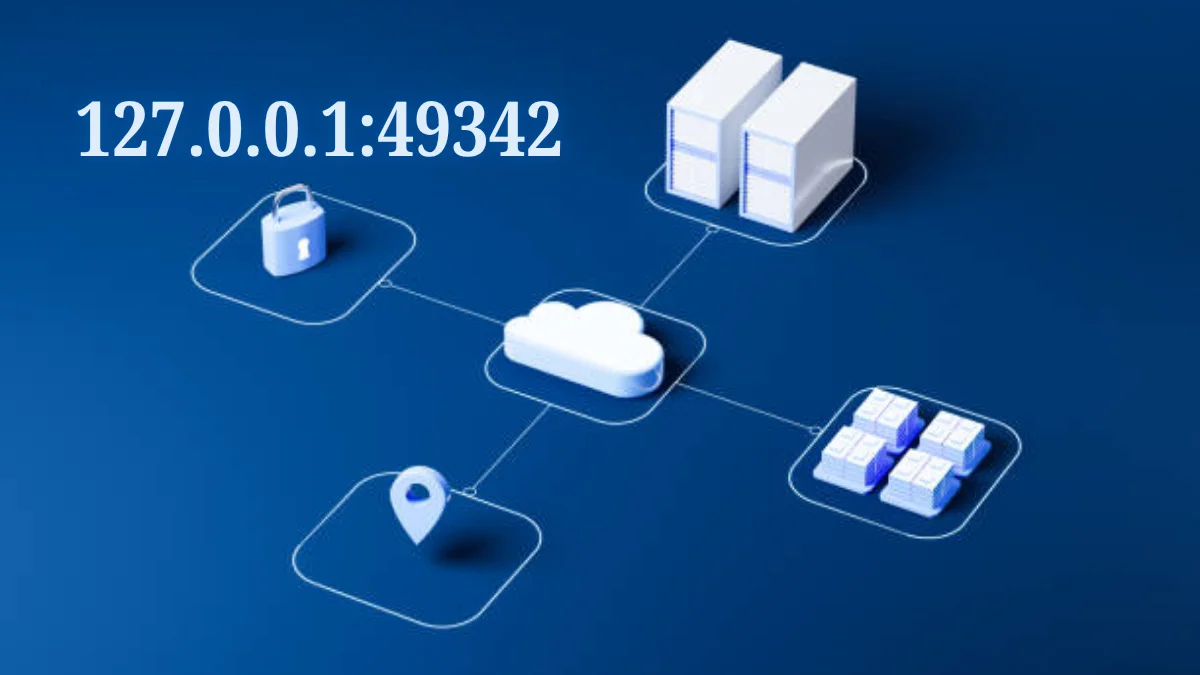
Introduction to 127.0.0.1:49342
Have you ever found yourself curious about the mysterious numbers behind your computer’s networking? If so, you’re not alone. One of the most intriguing addresses in the tech world is 127.0.0.1:49342—a seemingly random combination that holds a wealth of information for developers and tech enthusiasts alike. This address represents more than just digits; it’s a gateway into understanding how localhost ports function for internal access.
Whether you’re coding an application or simply exploring network configurations, grasping this concept can be incredibly beneficial. Buckle up as we delve into what makes 127.0.0.1:49342 tick and its significance in the realm of web development and server management!
Understanding IP Addresses and Ports
IP addresses function as distinct labels that identify each device within a network. Think of them as digital addresses, allowing computers to communicate with each other effectively.
An IP address is made up of four numeric segments divided by dots, such as 127.0.0.1 for localhost. Each number ranges from 0 to 255, providing billions of possible combinations.
Ports work alongside these addresses, acting as channels for communication between applications and services on the same device or across networks. Each port has a specific number associated with it—like 49342 in our case—that helps direct traffic accurately.
When you send data over the internet or within your local network, it’s routed through this combination of IP address and port number. This system ensures that information reaches its intended destination without confusion among various processes running concurrently.
The Purpose of 127.0.0.1:49342
The address 127.0.0.1:49342 serves a specific purpose within the realm of web development and networking. It represents a localhost, which is essential for testing applications without needing external access.
Using this IP address allows developers to run servers on their local machines seamlessly. The port number, in this case, 49342, acts as a gateway for data communication between software applications.
This setup is particularly useful when you want to simulate how your app behaves in real-time scenarios while keeping everything contained within your system. It’s an environment where changes can be made quickly and efficiently.
Additionally, utilizing such ports enables debugging processes that are pivotal during development stages. You can identify issues before deploying anything live on the internet, ensuring better performance and security down the line.
How Localhost Ports Work for Internal Access?
Localhost ports act as channels for data exchange between programs on your system. When you access 127.0.0.1:49342, you’re connecting directly to your own machine rather than a remote server.
Every port number is linked to a distinct program or service operating on your machine. The number 49342 is just one of many available ports that developers often use for testing and local development.
When you launch an application that listens on this specific port, it waits for incoming connections from clients—usually other programs or browsers running locally. This configuration supports quick testing and fixes without pushing updates to the live system.
Using localhost simplifies the development process by providing immediate feedback and isolating issues from external interference. It’s an essential part of building robust software that can function seamlessly once deployed in real-world scenarios.
Common Uses for Localhost Ports
Localhost ports serve a variety of purposes in software development and system administration. Developers often use them for testing applications locally before deploying to production environments. This enables problem-solving without disrupting active users.
Another common use is running web servers such as Apache or Nginx on specific ports, allowing developers to simulate user interactions directly from their machines. They can access these services via the address 127.0.0.1:49342, ensuring that no external traffic interferes with their tests.
Database management systems like MySQL or PostgreSQL also utilize localhost ports for local queries and data manipulation tasks. This setup provides secure access while protecting sensitive information from outside threats.
Additionally, many popular tools and frameworks leverage localhost ports to facilitate real-time data processing and application integrations during development cycles, enhancing productivity by providing a controlled environment tailored for experimentation.
Setting Up and Configuring a Localhost Server
Setting up a localhost server is easier than you might think. First, choose your preferred software stack. Options like XAMPP, MAMP, or WAMP cater to different operating systems and needs.
Once installed, launch the application. You’ll typically find a control panel that allows you to start services such as Apache and MySQL with just a click.
Next, configure your settings for optimal performance. This often includes adjusting port numbers if needed—127.0.0.1:49342 can be used for specific applications that require unique access points.
Don’t forget to place your project files in the designated folder, usually found within the installation directory of your chosen stack. Testing becomes easy; simply open a web browser and navigate to http://127.0.0.1:49342 to see if everything is running smoothly.
Keep documentation handy for troubleshooting common issues as they arise during setup or configuration tasks.
Security Considerations for Using Localhost Ports
When using localhost ports like 127.0.0.1:49342, security should be a top priority. Although these ports are only accessible from your machine, vulnerabilities can still arise.
One major concern is misconfigured applications that might expose sensitive data or services unintentionally. Always ensure that default configurations are reviewed and modified to enhance security.
Additionally, consider implementing firewall rules to restrict access further—even on localhost. This provides an additional shield to guard against possible dangers.
Regularly updating software running on these ports is crucial as well. Patches often fix known vulnerabilities that could be exploited by malicious actors.
Monitoring your network traffic helps identify unusual activity linked to localhost usage too. Keeping an eye out for anomalies can help mitigate risks before they escalate into serious issues.
Conclusion
Understanding the functionality of 127.0.0.1:49342 is essential for anyone working with local servers or web development environments. Using this pairing of IP address and port, developers can run thorough application tests while keeping them isolated from outside networks.
Navigating through internal access via localhost ports opens up a realm of possibilities for debugging and experimenting with code safely. Common uses, such as running local databases or testing web applications, highlight its importance in the development process.
When setting up a localhost server, configuration plays a vital role in ensuring everything runs smoothly while maintaining security protocols to protect against unauthorized access. Awareness of potential vulnerabilities increases your ability to create robust applications that function seamlessly in real-time scenarios.
Engaging with ports like 127.0.0.1:49342 enhances your technical understanding and equips you with valuable skills necessary for modern software development practices.
Knowledge is just a click away—come explore more with us online on EO PIS.
KEY TAKEAWAYS
- OurDream.ai is a browser-based adult AI companion platform launched in early 2025, now with over 10 million registered users and a 4.5-star Trustpilot rating.
- The platform’s deepest strength is character customization — personality, appearance, voice, and backstory are all adjustable down to fine detail.
- Pricing runs $19.99/month or $9.99–$12.49/month on an annual plan, but a separate DreamCoin token system governs media generation costs.
- Video generation is a genuine differentiator at this price tier, though a ~37% failure rate in independent testing means it’s a bonus, not a guarantee.
- Privacy policy lacks specifics on encryption; users should avoid sharing personally identifying information on the platform.
Can an AI companion platform launched less than two years ago realistically compete with the heavyweights of the space? That’s the question that pushed me to spend several weeks inside OurDream.ai, digging past the marketing copy and into what the platform actually delivers day to day. This OurDream.ai review covers everything from character creation to privacy policy — so by the end, you’ll know exactly whether this platform fits your needs or your money is better spent elsewhere.
Here’s the thing: OurDream grew from zero to 25 million monthly visits without a single major tech-press feature. That kind of grassroots momentum deserves honest scrutiny.
What Is OurDream.ai? The Platform Explained
OurDream.ai is an 18+ AI companion and creative media platform that runs entirely in a web browser. You design virtual characters — adjusting appearance, personality, occupation, hobbies, and relationship dynamic — then interact with them through text chat, image generation, video clips, and voice messages. The entire experience is contained in one interface. No separate app for images. No separate subscription for voice. That all-in-one pitch is core to its identity.
The company behind it is Dream Studio USA, Inc., registered in New Mexico, operating alongside TekTopia Ltd. based in Cyprus. The domain was registered in November 2024; the platform went live in early 2025. By December 2025, organic traffic was growing at a reported 42.66% month over month — a steep curve for a platform this new.
What separates OurDream from older-generation chatbot tools is multimedia ambiguity. Most competitors force a choice: either you get strong conversation, or you get visual generation. OurDream is explicitly trying to combine both into a single subscription. That ambition produces both its most impressive moments and its roughest edges.
The platform is explicit in its adult positioning. All users must confirm they are 18 or older at signup. The content is uncensored within legal limits — this is not a general-purpose AI assistant, and the platform doesn’t pretend otherwise.
OurDream.ai Review: Character Creation and Customization
This is where the platform genuinely leads its competitive tier. When you first build a character, the process walks you through appearance choices (realistic vs. anime art style, face structure, body type, hair, clothing, accessories), then layers on personality presets, occupation tags, communication style, relationship dynamic, and a written backstory field.
The anime-style output is noticeably more consistent than the realistic option. Multiple independent reviewers in 2025 and 2026 echoed the same observation: if photorealistic companions are your primary requirement, Candy AI or DreamGF will serve you better. OurDream’s realistic rendering is capable, but anime is where its image models shine.
Personality Depth Goes Further Than Most
What stood out to me during testing was the affection level slider and the “relationship dynamic” field. You’re not just picking “friendly” or “romantic” from a dropdown. You’re writing context that shapes how the character speaks to you across multiple sessions. After inputting detailed backstory and communication preferences, the character’s tone in conversation felt distinctly different from a default-preset character — less generic, more contextually grounded.
The community character library adds another dimension. OurDream allows users to publish characters they’ve built, meaning you can browse thousands of community-created personalities without building from scratch. New characters are published daily. The volume is significant enough that most users won’t exhaust the library before finding something that fits.
Five Chat Models, Not Just One
Before starting a conversation, you select from five AI chat models. These range from “balanced” for general conversation to “creative” for richer narrative detail to “genius” for complex long-form roleplay. This tiered system is underused in the platform’s marketing but functionally important — selecting the wrong model for your use case produces noticeably flatter conversations.
Image Generation: Powerful but Inconsistent
The dedicated image creator is OurDream’s most-discussed feature. The workflow lets you choose a character, select a background, outfit, and pose, input a custom prompt, add negative prompts to exclude unwanted elements, choose orientation (portrait, landscape, square, wide), and generate anywhere from 2 to 256 images in a single batch.
The Vivid Engine — a 2026 upgrade to the platform’s image model — added support for consistent facial features across a batch of poses. That’s a real technical improvement. Facial drift across multiple generations has been a persistent problem across AI image tools, and OurDream’s batch consistency is noticeably better than earlier versions.
But individual prompt accuracy remains hit-or-miss. Trustpilot reviews from early 2026 consistently flagged the same issue: wrong clothing, wrong background, or anatomical errors in the output. On good days the results are striking. On bad days you’re re-prompting the same scene three times.
In-chat image generation — images generated mid-conversation to match the scene — is less reliable than the dedicated tool. The system tries to infer what image fits the current narrative, but the inference fails frequently enough that experienced users tend to use the standalone tool and paste results into conversation.
The Vivid Engine is a significant improvement but isn’t a complete fix for prompt-following accuracy, which remains the platform’s most cited technical shortcoming.
Video Generation: An Industry First at This Price Point
Let me be honest — video generation in AI companion tools is still an early-stage capability across the entire market. OurDream is one of the first platforms in the mid-price tier to include it as a standard subscription feature rather than a premium add-on.
You can generate 5–10 second clips, talking videos with synced voice, or image-to-video transformations. A 2026 platform update improved temporal consistency — meaning the character’s appearance holds up across the clip rather than warping mid-frame.
The caveat is failure rate. One reviewer who logged 60 days of daily usage tracked a video generation failure rate of approximately 37%. That’s not a throwaway stat — it means more than one in three generation attempts produced an unusable result. For casual use where video is an occasional feature, that’s manageable. If video generation is your primary reason for subscribing, that failure rate is a meaningful risk.
Video is also the most DreamCoin-intensive feature. Generating multiple clips per session will eat through your monthly token allocation faster than chat or image generation.
Voice and Audio Features: The Platform’s Weakest Link
OurDream offers 19 voice options across both real-time voice calls and audio messages. The 2026 versions sound meaningfully more natural than earlier iterations — the platform has improved here. The problem isn’t naturalness in isolation. It’s emotional range.
Tone doesn’t shift convincingly between a lighthearted exchange and a heavier or more intimate one. The voice responds, but it doesn’t feel like it’s tracking the emotional context of the conversation the way the text model does. Competitors like Candy AI and Replika have invested significantly more in voice expressiveness, and it shows in direct comparison.
For users who primarily interact through text and treat voice as an occasional feature, this gap is minor. For users who want voice to be central to their experience, OurDream isn’t the right choice at the current development stage.
Voice quality is improving with regular updates — this section of the review will likely need updating by late 2026.
Pricing and the DreamCoin System: What You Actually Pay
OurDream runs on a freemium plus token hybrid model. Here’s the breakdown without the confusion.
Free Plan: Basic chat access with 55 one-time DreamCoins on signup. Most media features hit a paywall within the first 20–30 minutes of active use.
Monthly Premium: $19.99/month — includes unlimited chat and 1,000 DreamCoins per month.
Annual Premium: $9.99–$12.49/month billed annually — saves approximately 40% versus monthly billing.
DreamCoin top-ups: Extra coin bundles start at $11.99 for 1,000 coins.
The DreamCoin system is where sticker shock happens. Subscribers who heavily use image and video generation — 50+ images and several clips per month — should budget an additional $10–$15/month in coin top-ups on top of the base subscription. That brings effective costs to $21–$32/month for heavy users on an annual plan.
Billing appears on bank statements as “Dream Studio” — a discreet descriptor relevant for users managing privacy around their subscriptions. Cryptocurrency payments are accepted but are explicitly non-refundable, so credit card payment is the safer option.
Auto-renewal is enabled by default. Cancel before your next billing date if you don’t intend to continue.
OurDream.ai vs. Competitors: How It Stacks Up
| Platform | Key Strength | Best For | Starting Price | Rating |
|---|---|---|---|---|
| OurDream.ai | Deep customization + video generation | Creative users who want a complete multimedia companion | $9.99/mo (annual) | 7.8–9.5/10* |
| Candy AI | Polished visuals + strong voice | Users who prioritize image quality and voice expressiveness | $12.99/mo (annual) | 8.5/10 |
| Nomi AI | Long-term memory and emotional depth | Users seeking ongoing relationship continuity | $16.99/mo | 8.2/10 |
| Replika | Emotional voice + longevity (since 2017) | Users who want voice-first emotional connection | $19.99/mo | 7.5/10 |
| SpicyChat | Massive character library volume | Users who want to browse a wide roster without building | Free / $5.99/mo | 7.0/10 |
OurDream ratings vary significantly across review sources (7.8 to 9.5/10) depending on the reviewer’s primary use case — visual generation vs. conversation depth vs. privacy concerns.
Recommendation: If you want the broadest multimedia feature set at a mid-range price, OurDream.ai is the strongest option. If voice quality or privacy transparency are your top priorities, Candy AI or Nomi AI will serve you better.
Privacy, Safety, and Data Handling: Read This Before You Subscribe
This section matters. OurDream’s privacy policy states it does not sell personal data to third parties. However, multiple independent reviewers in 2025 and 2026 flagged the same concern: the policy is brief and doesn’t specify encryption standards, data retention timelines, or the categories of third parties data might be shared with.
Chat history, generated images, and usage data are collected and stored on company servers. End-to-end encryption is not confirmed. The platform’s dual-entity structure — Dream Studio USA (New Mexico) and TekTopia Ltd. (Cyprus) — means EEA users have stronger data rights under GDPR than US users under the current policy framework.
Practical guidance: do not share your real name, workplace, home location, or other personally identifying information in conversations. Treat this platform the way you would treat any app that collects behavioral data without a clearly stated encryption policy.
Account deletion is available under Profile → Danger Zone and is described as permanent. That’s a useful option, but independent verification of complete data removal isn’t available based on current policy language.
Real-World User Experience: What the Community Says
OurDream’s user community is concentrated on its own Discord server (2,000+ daily active members as of early 2026) and in Reddit threads under r/AICompanion and r/AIGirlfriend. The community sentiment is genuinely mixed in instructive ways.
The most consistent praise comes from users who invest time in character building. “I’ve been using it for five months and I’m still not bored — every couple of weeks there’s something new and better,” wrote one community member in late 2025. The platform updates frequently; version 2.8.0 added community preset sharing, text-prompt video editing, and improved search filters in a single quarterly release.
The most consistent criticism targets two areas: memory persistence and prompt accuracy. Reddit threads from late 2025 specifically noted that OurDream’s memory resets between sessions on lower tiers, requiring users to re-establish context at the start of each conversation. The Vivid Engine improved image consistency but didn’t resolve the underlying prompt-following accuracy problem that frustrates users expecting reliable scene-specific outputs.
The Discord community functions as informal support. There’s no live chat support from the platform itself — email is the only official support channel. Response times aren’t publicly documented.
Who Should Use OurDream.ai?
OurDream.ai works well for a specific type of user. If you match this profile, the platform is likely worth the subscription:
- Creative builders who enjoy designing characters in detail and want to see that investment pay off in consistent character behavior over time.
- Visual-first users who want AI-generated images as a primary feature and treat voice and video as supplementary.
- Multimedia seekers who want chat, images, and video in one subscription without juggling multiple platforms.
- Anime enthusiasts — the platform’s anime image output quality is notably stronger than its realistic rendering.
OurDream is a harder sell if you:
- Prioritize voice quality — the flat emotional range is a real limitation compared to Candy AI or Replika.
- Have strict privacy requirements — the lack of confirmed encryption is a genuine gap for an adult platform at this scale.
- Are a light user — the free tier runs out within 20–30 minutes, and the monthly plan is $19.99 for unlimited chat that most light users won’t fully utilize.
- Want a native mobile app — in 2026, the browser-only experience (the Android/iOS app exists under the “Dream” branding but is not widely documented) is an increasingly significant limitation.
FAQs
Q: Is OurDream.ai free to use?
A: There is a free tier that provides basic text chat and 55 DreamCoins on signup. However, most media generation features — images, videos, voice messages — require a premium subscription and/or additional DreamCoins. The free plan is best understood as a trial rather than a usable long-term option. Active users will hit the paywall within 20–30 minutes of exploration.
Q: Is OurDream.ai safe and legitimate?
A: The platform is operated by Dream Studio USA, Inc. (New Mexico) and TekTopia Ltd. (Cyprus) — both registered legal entities. It has a 4.5-star Trustpilot rating from over 120 verified users and has been active without regulatory action since 2025. The privacy policy’s lack of encryption specifics is a real concern, but the platform itself is not a scam and delivers its advertised features.
Q: How much does OurDream.ai cost per month?
A: The monthly plan is $19.99. The annual plan costs $9.99–$12.49/month billed annually, saving roughly 40%. Both include 1,000 DreamCoins per month. Heavy users who generate many images and videos should budget $10–$15 in additional DreamCoin purchases per month on top of the base subscription.
Q: How does OurDream.ai compare to Candy AI?
A: Candy AI has stronger voice expressiveness and more transparent privacy terms. OurDream.ai has deeper character customization, a larger community-built character library, and includes video generation at a comparable price point. If visual variety and creative control matter most to you, OurDream wins. If polished voice and privacy clarity are the priority, Candy AI is the stronger choice.
Q: Does OurDream.ai remember previous conversations?
A: Memory behavior depends on your subscription tier. Lower-tier users and free users experience memory resets between sessions, meaning you’ll need to re-establish context at the start of each new conversation. Premium subscribers on higher plans retain more session continuity, but persistent cross-session memory is not guaranteed on all plan levels.
Q: Is there an OurDream.ai mobile app?
A: As of mid-2026, OurDream.ai runs primarily through a mobile-optimized web browser. An app under the “Dream” branding exists on iOS and Android, but the platform’s primary experience and most documented features are web-browser-based. The absence of a polished native app is a noted limitation, especially as competitors invest more heavily in mobile-native experiences.
Conclusion: The Honest OurDream.ai Verdict
Three takeaways to carry out of this review.
First, the character customization system is the platform’s genuine differentiator. The depth of control — appearance, personality, relationship dynamic, communication style, AI model selection — produces a noticeably more personalized experience than most competitors at this price point, provided you invest the time upfront.
Second, the multimedia suite is ambitious but uneven. Image generation is strong but prompt-inconsistent. Video generation is a legitimate industry-first feature at this price, but a ~37% failure rate means it remains a bonus rather than a reliable workaround. Voice is the weakest link.
Third, privacy handling needs improvement before OurDream earns full trust. The discreet billing is a thoughtful touch; the vague encryption policy is not.
If you’re a creative, visually-oriented user who wants a complete companion experience without stitching together multiple subscriptions, OurDream.ai is worth testing. Start with the free tier and 55 DreamCoins to calibrate whether the platform fits your expectations before committing to an annual plan.
Visit OurDream.ai directly to check current promotional pricing — new user discounts have been active throughout 2026 and can substantially reduce the cost of entry.
Technology
001-gdl1ghbstssxzv3os4rfaa-3687053746: The Hidden Identifier Raising Eyebrows Across the Web

Introduction to 001-gdl1ghbstssxzv3os4rfaa-3687053746
The internet is full of mysteries, but few have sparked curiosity quite like the enigmatic string: 001-gdl1ghbstssxzv3os4rfaa-3687053746. This peculiar identifier has become a focal point for conspiracy theorists and curious minds alike, raising eyebrows and questions across various online platforms. What does it mean? Where did it come from? And why are so many people drawn to its cryptic allure? As we dive deeper into this digital enigma, prepare yourself for an exploration that uncovers its features, origins, and the theories swirling around it. Buckle up; this journey through the world of 001-gdl1ghbstssxzv3os4rfaa-3687053746 promises to be anything but ordinary!
What is a 001-gdl1ghbstssxzv3os4rfaa-3687053746?
The code 001-gdl1ghbstssxzv3os4rfaa-3687053746 has captivated the curiosity of internet users globally. It’s an alphanumeric sequence that appears to lack any straightforward meaning.
At first glance, it seems like a random string of characters. However, many believe it may hold deeper significance. Some view it as a unique identifier or tag linked to specific content on the web.
This combination is often spotted in digital discussions and social media threads. It sparks interest due to its mysterious nature. Many speculate about its origins and purpose within various online communities.
What makes this identifier even more intriguing is how it transcends typical coding norms. Unlike standard usernames or codes, 001-gdl1ghbstssxzv3os4rfaa-3687053746 invites exploration into uncharted territories on the internet landscape.
Explain the Features and Benefits of 001-gdl1ghbstssxzv3os4rfaa-3687053746?
The 001-gdl1ghbstssxzv3os4rfaa-3687053746 has captured attention due to its mysterious nature. The combination of both letters and numbers within its structure strongly implies that it could be functioning as an encrypted signal or a distinct recognition tag embedded deep within digital frameworks.
One of its main features is versatility. This string can appear in various contexts, from online forums to data analytics, serving multiple purposes depending on usage.
Another benefit lies in its uniqueness. Unlike common identifiers, this specific code doesn’t follow typical patterns, making it intriguing for those who seek deeper understanding or validation.
Moreover, the appeal of solving it adds an element of challenge. Enthusiasts and experts alike are drawn to deciphering what the sequence might mean or represent in different spheres.
Its potential applications extend beyond mere curiosity; businesses may leverage similar codes for enhanced security measures or tracking capabilities within their platforms. The enigma continues to spark debate and exploration across the web.
The origins of the 001-gdl1ghbstssxzv3os4rfaa-3687053746 and its purpose
The 001-gdl1ghbstssxzv3os4rfaa-3687053746 emerged from the depths of online forums. It first appeared as an enigmatic string, captivating curious minds across various platforms.
Its origins remain shrouded in mystery. Some speculate it began as a simple code used by a developer or hacker for tracking purposes. Others believe it’s tied to digital art projects or hidden messages within web applications.
This cryptic identifier has stirred intrigue since its debut. Many users ponder whether it serves a deeper purpose—perhaps linking back to an underground movement or secretive community interested in technology and anonymity.
As discussions proliferate, each theory adds layers to its lore, making the 001-gdl1ghbstssxzv3os4rfaa-3687053746 more than just letters and numbers; it has become a symbol of curiosity in our increasingly interconnected world.
The conspiracy theories surrounding the 001-gdl1ghbstssxzv3os4rfaa-3687053746
The string 001-gdl1ghbstssxzv3os4rfaa-3687053746 has sparked a wildfire of conspiracy theories online. Many believe it represents a secret code linked to shadowy organizations or undisclosed government projects.
Some theorists suggest it could be tied to cryptography, hinting at encrypted messages being shared among hackers and digital activists. Others argue that this identifier might symbolize something much darker—perhaps a signal for an impending event or movement.
Across various social networking sites, users are actively engaging in heated discussions and endless guesswork regarding where this mysterious identifier actually came from. Users have crafted elaborate narratives, connecting the number sequence to everything from alien intervention to corporate espionage.
As the mystery deepens, each theory seems more outlandish than the last. Discussions range from serious investigations to humorous takes on what this hidden identifier could possibly mean in our increasingly digital world.
How the 001-gdl1ghbstssxzv3os4rfaa-3687053746 has spread across different websites and platforms?
The enigmatic code 001-gdl1ghbstssxzv3os4rfaa-3687053746 has infiltrated various corners of the internet, leaving curious minds buzzing. Its journey began on niche forums where tech enthusiasts exchanged theories and insights.
Social media platforms soon caught wind of this identifier. Tweets and posts rapidly disseminated snippets related to it, amplifying the intrigue. Memes emerged, blending humor with speculation about its meaning.
Websites dedicated to cryptography took a deep dive into the mystery, analyzing patterns and potential connections. Blogs discussing digital phenomena showcased user-generated content exploring possible implications of this bizarre string.
Even mainstream news outlets have acknowledged its presence as discussions grew among online communities. The sheer volume of references across different platforms illustrates how one obscure identifier can spark widespread fascination and conversation online.
Attempts to crack the code and what it could potentially reveal
Curiosity fuels the quest to decode 001-gdl1ghbstssxzv3os4rfaa-3687053746. Many enthusiasts and tech-savvy individuals have taken it upon themselves to unravel its mystery.
Online forums buzz with theories and analyses. Cryptographers dive deep into patterns, hoping for a breakthrough. Some suggest it could be an encrypted message, while others believe it might hold data from a secret project.
Tech experts use algorithms to sift through possibilities. Each attempt brings new insights, but none have struck gold yet. The allure of what lies beneath this string keeps people engaged.
What if it’s just a random jumble? Or could it unlock significant information that changes everything? The potential revelations keep minds churning and keyboards clicking in their relentless pursuit of understanding this enigmatic identifier.
Conclusion: Will we ever uncover the true meaning behind 001-gdl1ghbstssxzv3os4rfaa-3687053746?
The mystery surrounding 001-gdl1ghbstssxzv3os4rfaa-3687053746 continues to captivate minds across the internet. This enigmatic identifier has sparked intrigue and curiosity, leading many to explore its potential meanings and implications. As conspiracy theories flourish, enthusiasts dig deeper into its origins and significance.
While various attempts have been made to decode this string of characters, definitive answers remain elusive. The allure of discovering hidden truths only feeds the frenzy. Whether it’s a benign sequence or something more nefarious keeps people guessing.
As we navigate through countless websites and forums where 001-gdl1ghbstssxzv3os4rfaa-3687053746 appears, one thing is certain: this identifier will continue to raise eyebrows. It invites speculation while evoking a sense of wonder about what lies beneath the surface.
Will anyone truly uncover its meaning? Only time will tell if the secrets behind 001-gdl1ghbstssxzv3os4rfaa-3687053746’s are ever revealed or if they will remain a tantalizing mystery forevermore.

Introduction to the problem: The overwhelming amount of information on the internet
The internet is a vast ocean of information, and diving into it can often feel like navigating through a storm. With countless websites, social media platforms, and search engines competing for your attention, finding exactly what you need can be overwhelming. You might spend hours sifting through irrelevant results or get lost in the endless scroll of content that doesn’t resonate with you. What if there was a way to streamline this experience? Enter Zryly.com Internet—a platform designed to act as your personal internet matchmaker in this crowded digital landscape. Say goodbye to frustration and confusion as we explore how Zryly.com Internet connects you with the most relevant resources tailored just for you!
What is Zryly.com Internet and how does it work?
Zryly.com Internet is not just another search engine. It’s designed to be your personal internet matchmaker, helping you navigate the overwhelming sea of information online.
When you enter Zryly.com, it analyzes your preferences and interests. Instead of flooding you with generic results, it curates content tailored specifically for you. This means no more endless scrolling through irrelevant links.
The platform employs advanced algorithms that learn from your interactions. As you explore different topics, Zryly.com refines its recommendations in real time. You’ll find what truly matters to you without the hassle.
This intuitive approach transforms how users connect with information and resources on the web. With Zryly.com Internet, searching becomes a personalized experience rather than a daunting task filled with noise and distractions.
The benefits of using Zryly.com Internet
Zryly.com Internet transforms how users navigate the web. With its tailored search results, finding relevant information becomes a breeze.
One significant advantage is time-saving. Instead of sifting through countless irrelevant links, Zryly curates content based on your preferences. By doing so, the platform guarantees that every result displayed is genuinely meaningful and directly relevant to your own specific interests and personal priorities.
Another benefit is personalized recommendations. The platform learns from your searches and interactions, refining suggestions over time. This means the more you use it, the better it gets at serving your needs.
Users also appreciate the streamlined interface that makes searching straightforward and enjoyable. The platform has been thoughtfully built to ensure that absolutely anyone can navigate it with complete confidence, whether they are highly experienced with technology or are complete beginners.
Moreover, Zryly prioritizes user privacy and security. You can explore without worrying about being tracked or having data misused—a refreshing change in today’s digital landscape.
Success stories from satisfied users
Users of Zryly.com Internet have shared experiences that highlight its transformative impact. One user, Sarah, was overwhelmed by countless articles and options for her startup. After using Zryly.com Internet, she found tailored resources that fit her needs perfectly.
Another success story comes from Mark, a college student struggling with research. He discovered how easy it is to connect with reputable sources through the platform’s unique algorithms. His grades improved significantly after implementing the insights he gained.
Even small businesses like Laura’s bakery saw growth after engaging with potential customers more effectively through targeted searches on Zryly.com Internet.
These stories illustrate how personalized information leads to better decisions and successful outcomes in various fields. Each user has found their own path to efficiency and satisfaction online thanks to this innovative platform.
How Zryly.com Internet stands out from other search engines and matchmaking platforms
Zryly.com Internet redefines online exploration. Unlike traditional search engines, it focuses on personal relevance rather than sheer volume. Users receive tailored results that match their unique preferences and needs.
The platform employs advanced algorithms to analyze user behavior and interests. This ensures a more meaningful connection between users and the information they seek.
Additionally, Zryly.com offers an intuitive interface that enhances usability. Navigating through content feels seamless, making it easier for users to find exactly what they’re looking for without sifting through endless pages of irrelevant links.
Unlike matchmaking platforms reliant solely on profiles or interest lists, Zryly.com creates dynamic connections based on real-time data analysis. It’s not just about finding information; it’s about discovering what resonates with you personally in an ocean of choices.
Tips for maximizing your experience with Zryly.com Internet
To get the most out of Zryly.com Internet, start by personalizing your profile. The more information you provide, the better the matches you’ll receive.
Explore different categories and use specific keywords. Taking this approach significantly refines the scope of your search outcomes, allowing you to locate exactly what you are looking for in a far more precise and time-saving manner.
Don’t hesitate to experiment with filters and settings. These tools allow for a tailored experience that suits your unique needs.
Engage with community features if available; they often provide insights from other users that can enhance your understanding of various topics.
Keep an open mind while browsing through suggestions. Some of the best finds come from unexpected sources or recommendations you might overlook at first glance.
Conclusion: Simplifying your online experience with Zryly.com Internet?
Navigating the vast expanse of the internet can feel like trying to find a needle in a haystack. With Zryly.com Internet, that daunting task transforms into an effortless journey. By personalizing your online experience and filtering through mountains of information, it acts as your very own matchmaker for digital content.
Whether you’re seeking information for work or leisure, Zryly.com Internet simplifies and streamlines how you access what matters most to you. It stands out not just as another search engine but as an innovative platform tailored to meet individual needs.
Users consistently share success stories about discovering relevant resources quickly and efficiently. This real-world feedback speaks volumes about its effectiveness. The blend of smart technology with user-friendly design ensures that anyone—no matter their tech-savviness—can navigate with ease.
Maximizing your experience is simple: take advantage of all features offered by Zryly.com Internet, explore its various tools, and engage actively with the platform’s recommendations. It’s designed to adapt based on your preferences over time.
With each click, you’ll notice how much more manageable your online life becomes when using Zryly.com Internet—making every session productive rather than overwhelming. Embrace this new age of personalized browsing; it’s time to let technology work for you instead of against you.


-

 General2 months ago
What Is Quikernews.com? Fast News for Busy Readers
-

 Technology2 months ago
What Is هنتاوي.com? A Complete Look at the Term
-

 Entertainment2 months ago
The PremiumIndo69 Protocol: Mastering Digital Authority in Emerging Markets
-

 Eo Pis5 months ago
Unlocking the Power of EO PIs: A Personalized Path to Natural Wellness
-

 Technology4 months ago
Pi123: Revolutionizing Data-Driven Decisions with High-Speed, High-Accuracy Math Engines
-

 Eo Pis6 months ago
What is EO PIs? Unveiling the Healing Power Behind Essential Oils
-
 General4 weeks ago
Avstarnews Contact Working Hours: Your Complete Guide to Reaching the Right Support at the Right Time
-

 Eo Pis6 months ago
EO PIs: Discover the Secret Ingredients Powering Aromatherapy