
General
Understanding Odometer Discrepancies and Mileage Verification for Salvage Vehicles


Odometer fraud affects salvage vehicles more frequently than clean-title cars because sellers assume buyers focus exclusively on damage rather than mileage. A vehicle showing 65,000 miles might actually have 130,000, dramatically affecting value and remaining useful life. Understanding how to verify actual mileage with a VIN check tool protects buyers from overpaying for high-mileage vehicles disguised as low-mileage examples.
Digital odometers aren’t immune to tampering. Software tools reprogram stored mileage in minutes, and buyers lacking verification methods accept displayed numbers at face value. This false security costs thousands when actual wear doesn’t match claimed mileage.
How Odometer Fraud Happens in Salvage Markets
Thieves or unscrupulous sellers purchase mileage correction tools online for $200-$500. These devices connect to diagnostic ports and rewrite odometer values in engine computers and instrument clusters. The process takes less than an hour without leaving obvious traces.
Instrument cluster replacement provides another manipulation method. Sellers install lower-mileage clusters from salvage yards, then claim original odometers failed due to accident damage. Without proper documentation, buyers can’t verify whether replacements are legitimate or fraudulent.
Some fraud involves altering service records and inspection documents. Sellers create fake maintenance histories showing lower mileage at service intervals. Combined with reprogrammed odometers, these fabricated records appear convincing without independent verification.
Title washing through multiple states sometimes includes odometer rollbacks. Each interstate transfer provides opportunities to report incorrect mileage.
Cross-Referencing Service Records and Inspection Reports
Vehicle history reports compile mileage readings from state inspections, emissions tests, and service visits. These data points create timelines revealing discrepancies. An odometer showing 70,000 miles shouldn’t have documented 95,000 miles during a previous inspection.
Oil change stickers inside windshields or door jambs show service mileage and dates. A sticker indicating “next service at 98,000 miles” contradicts an odometer displaying 67,000 miles. These physical records preserved in vehicles expose tampering.
Registration renewal documents in some states record annual mileage. Comparing these official records against current readings reveals impossible decreases or suspiciously slow accumulation. A vehicle shouldn’t lose miles between renewals or gain only 2,000 miles annually if used as primary transportation.
Maintenance apps and digital service records increasingly track mileage electronically. Dealership service departments maintain databases showing every visit with corresponding odometer readings. Requesting these records from selling dealers reveals accurate mileage histories.
Physical Wear Patterns That Contradict Low Mileage
Driver seat wear indicates usage levels. A vehicle claiming 50,000 miles shouldn’t have seats worn through fabric or collapsed cushions. Compare wear patterns between driver and passenger seats — significant differences suggest extensive use contradicting displayed mileage.
Steering wheel condition reveals usage truth. Leather wrapping wears through with extended use, and plastic wheels develop shine from hand oils. A steering wheel showing severe wear on a supposedly low-mileage vehicle indicates odometer tampering.
Pedal rubber wears predictably with mileage. Brake pedals show more wear than gas pedals due to frequent use. Completely worn pedal pads on vehicles claiming under 80,000 miles suggest actual mileage far exceeds displayed numbers.
Door handles, window switches, and center console surfaces develop wear from repeated contact. Interior components showing excessive wear relative to claimed mileage provide strong evidence of odometer fraud.
Engine and Transmission Wear Indicators
Oil consumption patterns reveal engine condition correlating with actual mileage. Engines with 150,000+ miles consume more oil than those with 60,000 miles. Checking oil levels and asking about consumption rates provides clues about true mileage.
Transmission shift quality degrades with use. A transmission claiming 50,000 miles should shift smoothly without hesitation. Delayed engagement, harsh shifts, or slipping suggests wear consistent with much higher mileage.
Engine noise levels increase as components wear. Valve train noise, timing chain rattle, or bearing sounds indicate age and use beyond what low odometer readings suggest. These mechanical symptoms can’t be easily hidden through tampering.
Cooling system condition reflects true age. Radiators, hoses, and water pumps wear predictably with mileage and time. Original components showing significant deterioration contradict claims of low mileage on newer vehicles.
Tire Wear and Replacement Patterns
Original equipment tires typically last 40,000-60,000 miles. A vehicle showing 35,000 miles shouldn’t need its third set of tires. Checking tire date codes and tread depth helps verify whether tire age matches claimed vehicle mileage.
Tire date codes indicate manufacturing week and year. Tires manufactured years before the vehicle’s production date obviously aren’t original. Recent replacement tires on supposedly low-mileage vehicles raise questions about actual usage.
Suspension component wear correlates with tire replacement frequency. Vehicles needing frequent tire changes due to alignment problems likely have suspension wear indicating high mileage. These patterns emerge through careful questioning and inspection.
All-season tires on vehicles in harsh climates wear faster. A vehicle in Minnesota claiming 40,000 miles shouldn’t be on its fourth set of tires unless something is wrong with alignment or the odometer reading is false.
Using Diagnostic Scanners to Verify Mileage
Professional diagnostic scanners access mileage data stored in multiple vehicle modules. Engine computers, transmission controllers, ABS modules, and body control modules all record mileage independently. Comparing readings across modules reveals tampering when numbers don’t match.
Some odometer reprogramming tools only change instrument cluster readings without updating other modules. This oversight leaves evidence of fraud when technicians check secondary systems showing higher mileage than displayed on dashboards.
Modern vehicles store mileage in dozens of control modules. Comprehensive fraud requires updating every module, a time-consuming process many criminals skip. Professional inspections using advanced scan tools catch these inconsistencies.
Dealership service departments access manufacturer databases showing mileage at previous service visits. These records exist independently of vehicles and can’t be altered by odometer tampering. Requesting dealer history reports provides definitive mileage verification.
Legal Protections and Recourse for Odometer Fraud
Federal odometer fraud laws impose criminal penalties including fines up to $10,000 and imprisonment. Civil remedies allow victims to recover three times actual damages plus attorney fees. These protections apply to salvage vehicles equally as clean-title cars.
State consumer protection laws provide additional remedies. Many states consider odometer fraud as unfair or deceptive trade practices, allowing rescission of sales contracts and full refunds. Documentation proving fraud is essential for successful claims.
Title documents include odometer disclosure statements requiring sellers to certify displayed mileage accuracy. False certifications create liability even when sellers claim ignorance. The legal burden falls on sellers to verify accuracy before signing disclosures.
Auction platforms sometimes investigate fraud reports. Documented odometer discrepancies might result in seller suspensions or permanent bans. However, buyers must prove fraud rather than relying on platforms to catch tampering proactively.
Calculating True Value Based on Actual Mileage
Vehicles lose approximately $0.10-$0.15 per mile in value beyond 100,000 miles. A car worth $8,000 with verified 80,000 miles drops to $5,000-$6,000 if actual mileage is 130,000. This $2,000-$3,000 difference makes mileage verification financially significant.
High-mileage vehicles need more extensive maintenance and repairs. Timing belts, water pumps, suspension components, and transmission services all become necessary around 100,000-120,000 miles. These deferred expenses reduce net value significantly.
Remaining useful life calculations change dramatically with accurate mileage. A vehicle with actual 140,000 miles has limited remaining years compared to one truly having 70,000 miles. This longevity difference affects purchase decisions for buyers seeking reliable transportation.
Resale values suffer when accurate mileage becomes known. Future buyers will discover true mileage through comprehensive checks, forcing current buyers to disclose accurately or commit fraud themselves. Honest disclosure results in much lower resale prices than low-mileage vehicles command.
Prevention Strategies Before Purchase
Always purchase comprehensive vehicle history reports showing complete mileage timelines. The $40-$50 cost is insignificant compared to losses from buying rolled-back odometers. These reports compile data from dozens of sources creating nearly impossible-to-forge records.
Request professional pre-purchase inspections including diagnostic scans. Mobile inspectors with proper scan tools access multiple modules verifying mileage consistency. This service costs $150-$300 but prevents expensive mistakes.
Examine vehicles in person rather than relying solely on photos. Physical wear patterns appear clearly during inspections but hide in listing images. Direct observation reveals inconsistencies between claimed mileage and actual condition.
Ask specific questions about service history and maintenance records. Legitimate sellers provide documentation supporting displayed mileage. Evasive answers or missing records should raise immediate suspicions prompting additional investigation.
Final Word
Odometer fraud in salvage markets costs buyers thousands by misrepresenting vehicle condition and remaining life. Digital odometers create false security since tampering is invisible without proper verification methods. Understanding how to check multiple data sources, recognize physical wear patterns, and use diagnostic tools protects against this common fraud.
Buyers at auction cars for sale platforms must verify mileage as carefully as assessing accident damage. The combination of structural problems and hidden high mileage creates vehicles worth far less than their appearance suggests. Taking time to confirm accurate mileage through history reports, physical inspection, and diagnostic scans separates honest deals from fraudulent schemes at salvage title cars for sale listings.
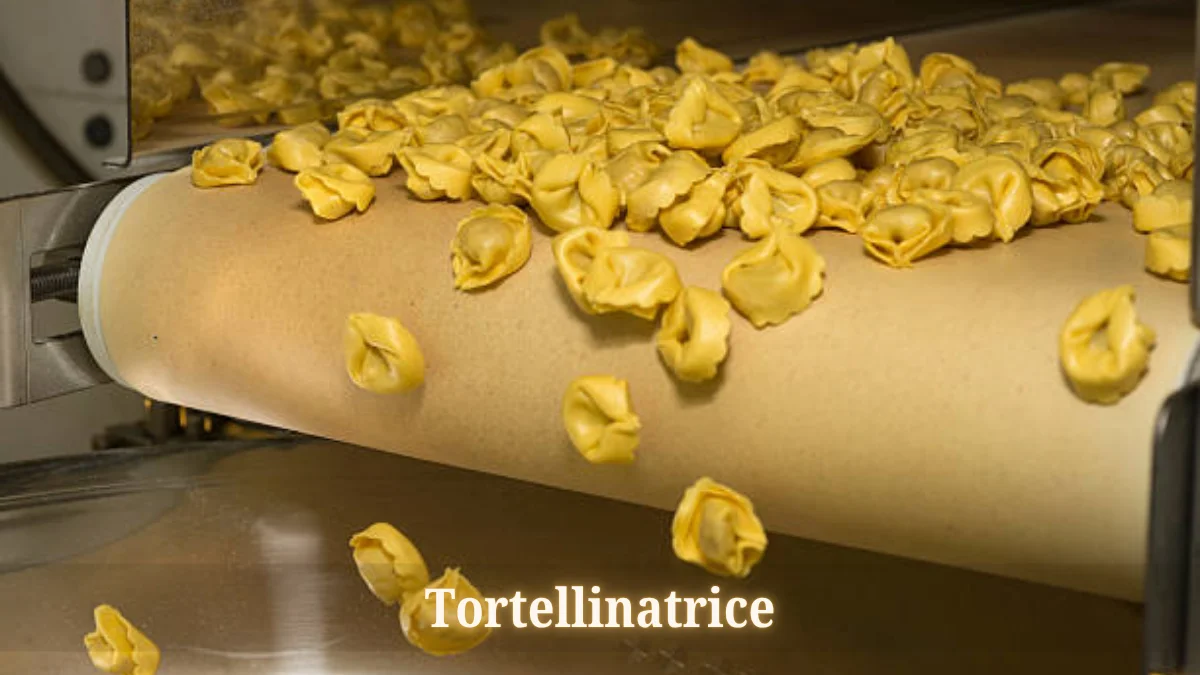
Introduction to Tortellinatrice
Imagine transforming your kitchen into an authentic Italian trattoria, where the aroma of fresh pasta fills the air and laughter echoes around the dinner table. Enter the tortellinatrice, a delightful tool that makes crafting homemade tortellini not just easy but fun. This ingenious device takes traditional pasta-making to new heights, letting you create delicious pocketfuls of flavor with minimal fuss. Whether you’re a seasoned chef or a curious beginner, this culinary gem opens up a world of possibilities for your meals. Ready to dive into the enchanting world of tortellini? Let’s explore everything there is to know about this must-have kitchen companion!
History and Origin of the Tortellinatrice
The tortellinatrice has its roots deep in the heart of Italy, where culinary traditions have thrived for centuries. This ingenious pasta tool emerged from a rich history of handmade pasta-making that dates back to medieval times.
Initially crafted by skilled artisans, the process was labor-intensive. Techniques were passed down through generations, making each family’s recipe unique. As Italian cuisine spread across borders, so did this beloved method of preparing tortellini.
In the early 20th century, with industrialization on the rise, innovations led to a more streamlined design. The tortellinatrice transformed from a purely manual tool into an accessible kitchen gadget for home cooks and chefs alike.
Today, it symbolizes not just convenience but also a connection to tradition. Using one allows anyone to experience the joy and authenticity of creating fresh tortellini right at home.
How it Works: The Mechanics and Process of Making Homemade Tortellinatrice?
The tortellinatrice operates on a simple yet effective principle. At its core, it combines dough preparation with filling encasement in one seamless process.
Start by rolling out your pasta dough into thin sheets. The machine typically features adjustable settings to achieve the desired thickness. This flexibility is crucial for creating those perfect tortellini shapes.
Once the sheets are ready, place small dollops of your chosen filling onto the surface. As you feed the dough through the device, it expertly cuts and folds each piece around the filling.
The result? A perfectly shaped tortellino every time. The design ensures even pressure, preventing any bursting during cooking while maintaining that signature al dente texture.
Cleaning is straightforward too; most components can be easily disassembled and washed after use. With minimal effort, you’ll have freshly made tortellini waiting to be enjoyed!
Benefits of Using a Tortellinatrice in Your Kitchen
Using a tortellinatrice elevates your culinary game effortlessly. This innovative tool streamlines the process of making tortellini, reducing prep time significantly.
With its efficiency, you can create perfectly shaped pasta with minimal effort. No more uneven edges or inconsistent filling amounts—each piece comes out uniform and ready for cooking.
The joy of homemade pasta is unmatched. Fresh ingredients mean better flavor and texture in every bite. The satisfaction that comes from crafting your own dish adds an extra layer to dining experiences.
A tortellinatrice also encourages creativity in the kitchen. Experiment with various fillings, from traditional cheese blends to inventive combinations like pumpkin and sage.
Moreover, it’s a great way to engage family members or friends during meal prep time. Cooking together fosters connections and creates lasting memories over delicious food crafted by hand.
How to Select the Perfect Tortellinatrice to Match Your Culinary Goals
When selecting the perfect tortellinatrice, consider your kitchen space. Compact models are ideal for smaller areas, while larger machines offer more features.
Material matters too. Stainless steel is durable and easy to clean, ensuring longevity in your cooking adventures.
Pay attention to the size of the machine. If you plan on making pasta for gatherings or large families, a bigger capacity will save time and effort.
Look for adjustable settings that allow you to customize the thickness of your dough. This versatility can elevate your tortellini game significantly.
Read reviews from other home chefs. Their experiences can guide you toward a model that fits your specific needs perfectly.
Step-by-Step Guide on Making Delicious Tortellini with a Tortellinatrice
Begin by preparing your pasta dough. Combine flour, eggs, and a pinch of salt in a mixing bowl. Knead until smooth, then wrap it in plastic and let it rest for about 30 minutes.
Next, roll out the rested dough using the Tortellinatrice. Set the machine to your desired thickness and feed small portions through until you achieve thin sheets.
Now for the filling! Choose between classic ricotta mixed with spinach or savory meats seasoned with herbs. Place small dollops on the rolled-out pasta sheets, ensuring enough space between each one.
Fold over the sheet to create pockets around each filling. Use your fingers to seal them tightly and eliminate air bubbles.
Shape each pocket into a tortellini by bringing corners together and pinching them closed firmly. Your homemade tortellini is now ready to be cooked or stored for later use!
Creative Ways to Use Homemade Tortellinatrice in Your Meals
Homemade tortellini opens up a world of culinary creativity. Start by tossing them in fresh pesto for an easy yet flavorful dish. The vibrant green sauce clings beautifully to each piece, making every bite burst with flavor.
For a comforting meal, prepare a rich broth and let your tortellini simmer until tender. This classic soup is perfect on chilly evenings and can be enhanced with herbs or vegetables.
Consider baking your tortellini as well. Layer them in a casserole dish with cheese and marinara sauce before popping it into the oven. The result? A bubbly, cheesy delight that the whole family will love.
Think outside the box: toss cooked tortellini into salads for added texture and taste. They elevate simple greens to something special while adding heartiness to your meal without much effort.
Conclusion
The tortellinatrice is more than just a kitchen gadget; it embodies the spirit of Italian culinary tradition. With its rich history and innovative design, this tool makes creating homemade tortellini accessible to everyone. Not only does it enhance your cooking experience, but it also allows you to explore new recipes and flavors in your meals.
By selecting the right tortellinatrice for your needs and following our step-by-step guide, you can enjoy fresh pasta that rivals any trattoria dish. Plus, experimenting with creative uses for your homemade tortellini will undoubtedly impress family and friends alike.
As you embrace this delightful pasta-making journey, remember that each bite tells a story—a story of love for food, culture, and creativity in the kitchen. So gather your ingredients, roll up those sleeves, and let the magic of the tortellinatrice transform your dining experience into something truly extraordinary.

Introduction to Pigeimmo Real Estate
Welcome to the world of Pigeimmo Real Estate, where property investment takes on a new dimension. In a market as diverse and dynamic as France’s, navigating the maze of real estate can feel overwhelming. But what if you had access to data-driven insights that could guide your decisions? That’s exactly what Pigeimmo offers—a fresh perspective backed by analytics that make sense in today’s market.
Imagine investing in French properties with confidence, knowing every decision is rooted in solid data. With local expertise and advanced technology at their fingertips, Pigeimmo is redefining how investors approach real estate. Whether you’re a seasoned investor or just starting out, understanding the value of informed choices can unlock opportunities you never knew existed.
Join us as we explore what makes Pigeimmo stand out from the crowd and discover how they harness data to empower clients like you for smarter investments in stunning French locales. Your journey into intelligent property investment starts here!
What Sets Pigeimmo Apart from Other Real Estate Companies?
Pigeimmo stands out in the crowded real estate market through its innovative use of technology and data analytics. While many companies rely on traditional methods, Pigeimmo harnesses advanced algorithms that provide clients with unparalleled insights into property trends.
Another distinguishing feature is their customer-centric approach. Each client receives personalized attention, ensuring that every investment aligns with individual goals. This dedication fosters trust and builds lasting relationships.
Moreover, Pigeimmo’s extensive network enhances its offerings. Partnerships with local experts and financial institutions enable them to present unique opportunities that others might overlook.
Transparency is also a core value at Pigeimmo. Clients are kept informed throughout the entire process, making decision-making straightforward and stress-free. With these key elements combined, it’s easy to see why Pigeimmo elevates itself above conventional real estate firms in France’s competitive landscape.
The Importance of Data-Driven Insights in French Property Investments
Data-driven insights play a crucial role in the dynamic landscape of French property investments. With fluctuating markets and diverse regional trends, investors need reliable information to navigate their choices effectively.
Understanding market dynamics through data allows investors to identify emerging neighborhoods. This can lead to lucrative opportunities that others may overlook.
Furthermore, accurate analytics can forecast potential returns on investment. By analyzing historical performance and current patterns, clients gain clarity in making informed decisions.
In addition, data helps mitigate risks associated with property purchases. Investors equipped with comprehensive insights are less likely to fall victim to costly mistakes or undesirable properties.
Harnessing technology for real estate analysis also fosters transparency in transactions. When buyers have access to solid statistics, trust between parties increases significantly throughout the process.
This reliance on factual evidence rather than intuition opens doors for smarter investments across France’s vibrant real estate market.
How Pigeimmo Uses Data to Help Clients Make Smarter Investment Decisions?
Pigeimmo leverages advanced analytics to empower clients in their property investment journeys. By analyzing market trends, economic indicators, and neighborhood demographics, they provide a comprehensive view of potential investments.
Their platform aggregates data from various sources, ensuring clients have access to real-time information. This helps investors understand not just current market conditions but also future predictions.
Clients receive tailored reports that highlight high-demand areas and emerging neighborhoods. These insights enable smarter choices by pinpointing locations with growth potential.
Moreover, Pigeimmo’s user-friendly dashboard allows investors to visualize complex data easily. With interactive maps and charts at their fingertips, users can make informed decisions confidently.
This commitment to data-driven strategies sets Pigeimmo apart as a trusted partner for anyone looking to navigate the French real estate landscape effectively.
Success Stories: Case Studies of Clients Who Used Pigeimmo’s Services
Pigeimmo has transformed countless clients’ dreams of owning property in France into reality. One such client, Sarah, was initially overwhelmed by the competitive market. With Pigeimmo’s data-driven approach, she identified a hidden gem in Lyon that fit her budget perfectly.
Another success story involves David and Emily, who sought a vacation home near Nice. By leveraging Pigeimmo’s insights on emerging neighborhoods, they found an ideal location with growth potential and breathtaking views. Their investment not only provided them with a getaway but also appreciated significantly over time.
Then there’s Marc, an investor focused on rental properties. Through meticulous analysis of market trends provided by Pigeimmo, he acquired several units in Marseille at favorable prices. These investments have since yielded impressive returns.
Each case illustrates how tailored strategies based on solid data make all the difference for clients navigating the French real estate landscape.
The Future of Pigeimmo and the Real Estate Industry in France
Amid the rapid evolution of technology, Pigeimmo leads the charge in redefining innovation within the French real estate market. The company is keenly aware that data analytics will shape the industry’s future.
Emerging tools and platforms are poised to enhance property valuation accuracy. By harnessing artificial intelligence, Pigeimmo can predict market trends with remarkable precision.
Sustainability is also becoming a focal point for investors. With eco-friendly properties gaining traction, Pigeimmo aims to guide clients toward sustainable investments that align with modern values.
Moreover, as remote work becomes normalized, demand for diverse property types may surge. This shift opens new avenues for investment opportunities across urban and rural settings alike.
Pigeimmo’s commitment to adapting its strategies ensures it remains an invaluable partner in navigating this dynamic landscape. The real estate sector in France has never been more exciting than it is today—with endless possibilities on the horizon.
Conclusion
Pigeimmo Real Estate has carved out a unique niche in the French property market by leveraging data to inform investment decisions. This approach not only empowers clients but also sets Pigeimmo apart from traditional real estate companies. By focusing on accurate, timely insights, they help investors navigate the complexities of the French property landscape.
From their innovative methodologies to successful case studies showcasing client triumphs, it’s clear that Pigeimmo is committed to elevating how real estate investments are approached. As technology continues to evolve and shape industries worldwide, Pigeimmo stands at the forefront of this transformation within France’s real estate sector.
The future looks promising for both Pigeimmo and its clients as they adapt and grow amidst changing market dynamics. With a firm emphasis on data-driven strategies, there’s no doubt that smarter investment opportunities lie ahead for those who choose to partner with this forward-thinking company.

Introduction to Lwedninja
In today’s digital landscape, content creators are constantly on the lookout for tools that streamline their workflow and amplify their reach. Enter Lwedninja, a revolutionary platform designed specifically for those who create and share online content. With its user-friendly interface and powerful features, Lwedninja stands out as a go-to resource for bloggers, vloggers, podcasters, and social media influencers alike. Whether you’re just starting your journey or looking to enhance your existing presence, this smart platform has something to offer everyone. Let’s dive into what makes Lwedninja an essential tool in the arsenal of modern content creators!
The Features and Benefits of Lwedninja for Content Creators
Lwedninja offers a robust toolkit designed specifically for content creators. Its user-friendly interface allows for seamless navigation, making it easy to focus on creativity rather than technicalities.
One standout feature is the integrated analytics dashboard. Creators can track engagement metrics in real-time, enabling informed decisions about their content strategy.
Collaboration tools make teamwork effortless. Whether you’re co-creating with another artist or managing an entire team, Lwedninja facilitates smooth communication and project management.
Additionally, customizable templates help streamline the design process. Content creators can choose from various layouts that fit their brand while saving valuable time.
Support resources are readily available as well. Tutorials and community forums empower users to maximize the platform’s potential without feeling lost or overwhelmed.
With all these features combined, Lwedninja truly enhances efficiency and productivity for anyone looking to elevate their online presence.
How to Use Lwedninja?
Getting started with Lwedninja is a breeze. First, create an account. Simply sign up using your email or social media credentials.
After signing up, pause to navigate and familiarize yourself with the dashboard. The user-friendly interface makes navigation easy. Here you’ll find various tools tailored for content creation.
To start creating, click on the “Create” button. Choose from templates designed for different types of content—videos, blogs, and graphics are all at your fingertips.
Utilize the analytics feature to track performance metrics in real-time. This helps you understand what resonates with your audience.
Don’t forget to engage with the community! Share insights and learn from fellow creators through forums and chat features available within the platform.
With everything set up, let your creativity flow freely while Lwedninja supports every step of your journey.
Success Stories of Content Creators on Lwedninja
Many content creators have found their stride on Lwedninja. For instance, a budding musician shared her journey of gaining thousands of followers in just months. The platform’s tools helped her analyze audience engagement and tailor her music accordingly.
Another success story comes from a travel vlogger who utilized Lwedninja’s features to connect with fellow adventurers. By sharing experiences and insights, he built a vibrant community that amplified his reach.
A graphic designer also saw a transformation in her freelance business through consistent use of the platform. Collaborations blossomed, leading to exciting projects she hadn’t imagined possible.
Each creator’s unique experience showcases how Lwedninja fosters growth and creativity within diverse niches. Their stories inspire others looking to harness the power of this innovative platform for their own journeys.
Comparison with Other Platforms for Content Creators
When it comes to online content creation, many platforms vie for attention. However, Lwedninja stands out for its user-friendly interface and robust features tailored specifically for creators.
Unlike other platforms that often cater to a broader audience, Lwedninja focuses on the unique needs of content creators. This means streamlined tools that facilitate better engagement with followers.
Some traditional platforms limit how you connect with your audience through rigid algorithms. Lwedninja empowers users by providing analytics and personalized insights, helping them understand what works best.
While competitors may offer basic monetization options, Lwedninja enhances this aspect significantly. Creators can explore diverse revenue streams without getting lost in complexity.
When comparing features like usability and targeted functionality, Lwedninja emerges as an advantageous choice for those serious about elevating their craft in the digital space.
Future Plans and Updates for Lwedninja
Lwedninja is on the brink of launching exciting new features that promise to elevate the content creation experience. One significant update includes advanced analytics tools, allowing creators to gain deeper insights into audience engagement and behavior.
Moreover, Lwedninja plans to introduce a collaborative workspace. This feature will enable multiple creators to work together seamlessly, sharing ideas and resources in real time.
Enhanced monetization options are also on the horizon. Creators can look forward to more ways to earn revenue from their content through subscriptions and exclusive member-only access.
As Lwedninja continues evolving, user feedback will play a crucial role in shaping future updates. The team is committed to listening closely to its community for ongoing improvements that matter most.
Conclusion: Lwedninja as a Game-Changer for Online Content Creation
Lwedninja is proving to be a significant player in the world of online content creation. With its user-friendly interface and robust features, it stands out among other platforms. Content creators are finding new ways to engage their audiences and monetize their work effectively.
The platform’s tailored tools cater specifically to the needs of creators, whether they’re just starting or looking to scale up their efforts. The success stories pouring in from users illustrate how Lwedninja can transform creative passions into profitable ventures.
As more content creators embrace this innovative platform, it’s clear that Lwedninjas is not just another tool; it’s becoming a vital resource for anyone serious about making an impact online. Whether you’re creating videos, writing blogs, or producing podcasts, Lwedninjas offers solutions that empower you every step of the way.
With exciting updates on the horizon and a growing community of passionate users, it’s safe to say that Lwedninjas might very well change the landscape of online content creation for good.


-

 General2 months ago
Quikernews.com: Redefining Real-Time Journalism in the Digital Age
-

 Entertainment2 months ago
PremiumIndo69: The Rise of an Exclusive Digital Ecosystem for Next-Gen Entertainment
-

 Eo Pis2 months ago
Unlocking the Power of EO PIs: A Personalized Path to Natural Wellness
-

 Technology3 weeks ago
Pi123: Revolutionizing Data-Driven Decisions with High-Speed, High-Accuracy Math Engines
-

 Eo Pis2 months ago
What is EO PIs? Unveiling the Healing Power Behind Essential Oils
-

 General2 months ago
Avstarnews Contact Working Hours: Your Complete Guide to Reaching the Right Support at the Right Time
-

 Technology2 months ago
هنتاوي.com: Redefining the Arabic Web Experience in a Digitally Localized World
-

 Technology2 months ago
Newznav.com 8888996650: Unmasking the Mysterious Digital Duo Reshaping News and Communication in 2025