
Health
The Perfect Daily Lens Routine: Pairing Dailies AquaComfort Plus with the Right Dry Eye Drops


Contact lens wearers know the struggle: by midday, your eyes feel dry, irritated, and uncomfortable. The good news? Creating the perfect daily lens routine doesn’t have to be complicated. By combining quality daily disposable lenses like Dailies AquaComfort Plus with the right dry eye drops, you can enjoy all-day comfort and crystal-clear vision.
Discover more insights connected to this topic—don’t miss these related reads!
Why Daily Disposable Lenses Are Game-Changers
Daily disposable contact lenses have revolutionized eye care for millions of wearers worldwide. Unlike monthly or bi-weekly lenses, dailies offer a fresh, sterile pair every single day. This means no cleaning solutions, no storage cases, and most importantly—no buildup of deposits, allergens, or bacteria that can contribute to dry eye symptoms.
Dailies AquaComfort Plus stands out in the daily lens market thanks to its innovative triple-action moisture technology. Each blink releases moisturizing agents that keep your eyes hydrated throughout the day. The lens material is designed to retain water, creating a cushion of moisture between your eye and the lens surface.
For those comparing options, 1 Day Acuvue Moist is another popular choice in the daily disposable category. Both brands excel at providing comfort, though each has unique features that appeal to different wearers. Acuvue Moist uses LACREON technology to embed moisture into the lens, while Dailies AquaComfort Plus relies on its blink-activated moisture release system.
Understanding Dry Eye and Contact Lens Wear
Dry eye affects nearly 16 million Americans, and contact lens wearers are particularly susceptible. When you wear lenses, your natural tear film must coat not just your eye, but also the lens surface. This increased demand on your tear production can lead to:
- Gritty or sandy sensations
- Redness and irritation
- Blurred vision that clears with blinking
- End-of-day discomfort
- Increased sensitivity to light
The right combination of lenses and lubricating drops can dramatically reduce these symptoms and extend your comfortable wearing time.
Building Your Perfect Daily Lens Routine
Morning: Start Fresh
Begin each day with a clean slate—literally. Wash your hands thoroughly before handling your lenses. Open a fresh pair of Dailies AquaComfort Plus and insert them with clean, dry fingers. Because they’re daily disposables, you’re starting with optimal hydration and zero contaminants.
Consider applying dry eye drops before lens insertion if you wake up with dry eyes. Look for drops specifically labeled as “contact lens compatible” or “safe for use with contact lenses.” These formulations won’t cloud your lenses or interfere with their performance.
Midday: Maintain Moisture
This is when many lens wearers hit the discomfort wall. Your eyes have been working hard—focusing on screens, blinking less frequently, battling air conditioning or heating systems. Keep a travel-size bottle of contact lens-compatible dry eye drops at your desk or in your bag.
Apply 1-2 drops in each eye whenever you feel that first hint of dryness. Don’t wait until you’re uncomfortable. Preventive lubrication is far more effective than trying to recover from severe dryness.
Evening: Listen to Your Eyes
If you’re experiencing discomfort in the late afternoon or evening, it’s your body’s signal. Remove your lenses if needed—one of the beauties of dailies is that you simply toss them and start fresh tomorrow. Never push through significant discomfort, as this can lead to complications.
After removing your lenses, give your eyes a break. Apply preservative-free dry eye drops to replenish your natural tear film and soothe any irritation from the day.
Choosing the Right Dry Eye Drops for Lens Wearers
Not all dry eye drops are created equal, especially for contact lens wearers. Here’s what to look for:
Preservative-Free Options: Preservatives can accumulate on contact lenses and cause irritation. Single-use vials eliminate this concern entirely.
Contact Lens Compatible: Products specifically formulated for use with contacts won’t cause cloudiness or deposits on your lenses.
Viscosity Level: Thinner drops work well during the day for quick relief without blurring vision. Thicker gels or ointments are better reserved for nighttime after you’ve removed your lenses.
Active Ingredients: Look for lubricants like hyaluronic acid, carboxymethylcellulose, or glycerin, which provide lasting moisture.
Lifestyle Tips for Maximum Comfort
Your environment and habits significantly impact your lens-wearing experience:
Stay Hydrated: Drinking adequate water supports your body’s natural tear production. Aim for at least 8 glasses daily.
Take Screen Breaks: Follow the 20-20-20 rule—every 20 minutes, look at something 20 feet away for 20 seconds. This reduces eye strain and encourages blinking.
Optimize Your Environment: Use a humidifier in dry climates or heated rooms. Position fans and air vents away from your face.
Remove Makeup Carefully: Oil-based makeup removers can transfer to lenses. Use oil-free products and apply them carefully around the eye area.
When to Consult Your Eye Care Professional
While the combination of quality daily lenses and appropriate dry eye drops solves most comfort issues, persistent problems warrant professional attention. Schedule an appointment if you experience:
- Consistent discomfort despite using drops
- Vision changes or persistent blurriness
- Redness that doesn’t resolve quickly
- Unusual discharge or excessive tearing
- Sensitivity to light
Your eye doctor can assess whether you need prescription-strength treatments, different lens materials, or other interventions.
The Bottom Line
Creating the perfect daily lens routine centers on two key elements: choosing comfortable, fresh lenses like Dailies AquaComfort Plus or 1 Day Acuvue Moist, and supporting your eyes with appropriate dry eye drops throughout the day. This combination allows you to enjoy the convenience and clarity of contact lenses without sacrificing comfort.
Remember, every eye is unique. What works perfectly for one person might need adjustment for another. Pay attention to your body’s signals, maintain consistent habits, and don’t hesitate to experiment with different compatible dry eye drop formulations until you find your ideal match.
With the right routine in place, you can look forward to clear, comfortable vision from morning until night—no compromises necessary.
Highlight of the week! Read our featured post that’s capturing everyone’s attention.
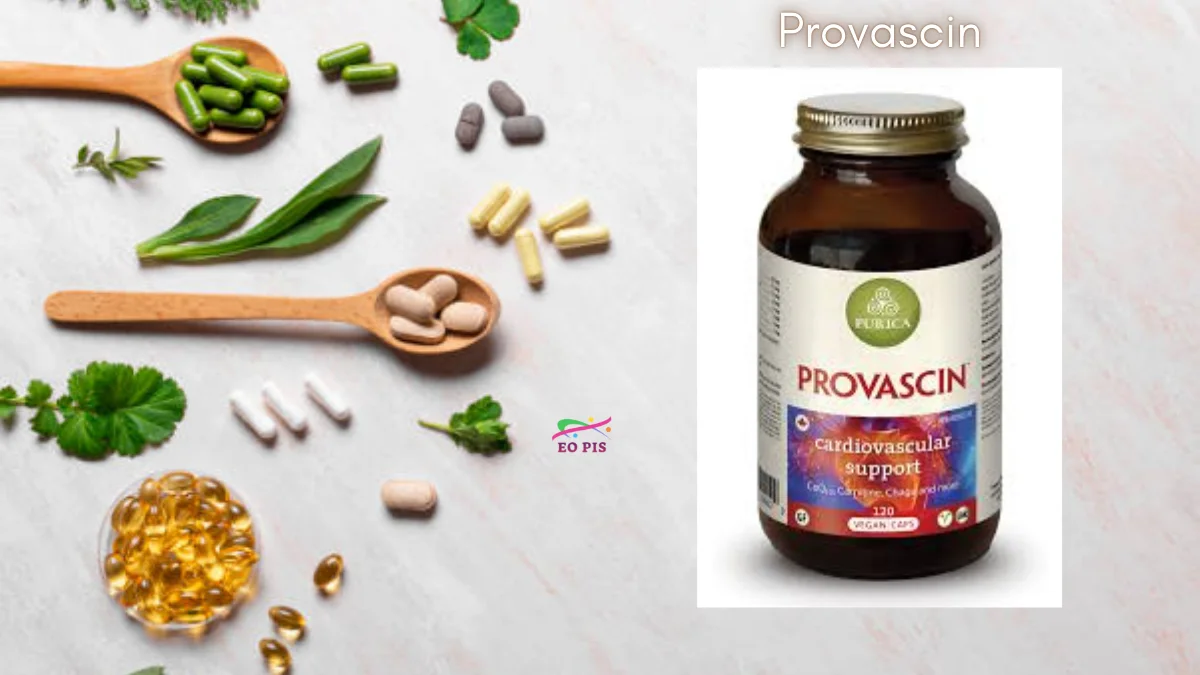
Introduction to Provascin
Are you seeking a more natural approach to improving your overall well-being? Provascin might just be the answer you’ve been searching for. This dietary supplement has gained attention for its unique blend of ingredients aimed at promoting overall well-being. But what exactly is Provascin, and can it really deliver on its promises? Let’s dive into the details, exploring what makes this supplement stand out in a crowded market. Whether you’re dealing with daily stress or simply want to enhance your vitality, understanding Provascin could be the first step towards achieving your health goals.
Key Ingredients and their Benefits
Provascin stands out due to its unique blend of natural ingredients. Every ingredient is chosen based on its ability to contribute positively to overall effectiveness.
One key ingredient is L-Arginine. This amino acid plays a crucial role in improving blood flow and enhancing overall circulation, which can support cardiovascular health.
Another significant component is Ginseng. Renowned for its adaptogenic properties, it helps the body resist stress while boosting energy levels and mental clarity.
Then there’s Panax ginseng, known for promoting vitality and reducing fatigue. It potentially enhances physical performance as well.
You’ll find Green Tea Extract packed with antioxidants. These compounds help combat free radicals in the body, contributing to better cellular health and weight management.
Each ingredient in Provascin works synergistically to promote wellness from multiple angles without harsh side effects often associated with synthetic products.
How Does Provascin Work?
Provascin operates through a blend of natural ingredients that work synergistically to support various bodily functions. It primarily targets the body’s metabolic pathways, enhancing energy levels and promoting weight management.
The formula includes compounds designed to boost thermogenesis, which helps increase calorie burning. This means your body can efficiently convert stored fat into usable energy.
Additionally, Provascin may support mood stabilization by balancing neurotransmitters. A stable mood can lead to better food choices and increased motivation for physical activities.
Furthermore, it promotes healthy blood sugar levels. By regulating glucose metabolism, it helps mitigate cravings that can derail dieting efforts.
This multi-faceted approach ensures that users may experience benefits not just physically but mentally as well. Hence, Provascin seeks to create an overall sense of well-being while aiding in specific health goals.
Safety and Side Effects of Provascin
Evaluating the safety profile is essential before adding any supplement to your routine. Provascin has been formulated with attention to user well-being.
Most users report minimal side effects. However, some may experience mild gastrointestinal discomfort or headaches. These reactions are generally temporary and subside quickly.
It’s crucial to follow the recommended dosage guidelines provided by the manufacturer. Overuse can lead to unexpected results or increased risk of adverse effects.
For those on medications or with pre-existing health conditions, consulting a healthcare professional is wise before starting Provascin. Personalized advice ensures that you’re making informed choices about your health.
Always look for credible sources when researching supplements like Provascin. Stay updated on new studies related to its ingredients and effects as research evolves over time.
Customer Reviews and Critiques
Customer experiences with Provascin vary widely. Some users praise its effectiveness in enhancing their overall well-being. They report increased energy levels and improved focus after incorporating it into their routines.
Conversely, a segment of users has expressed skepticism about the product’s claims. They feel that while it may provide some benefits, results are not consistent across all individuals. This discrepancy often leads to mixed feelings regarding its true efficacy.
Many reviews emphasize the importance of lifestyle factors alongside supplementation. Users who combine Provascin with a balanced diet and regular exercise tend to share more positive outcomes.
In contrast, those relying solely on the supplement without adjusting other aspects of their health often voice disappointment in their results. The varying opinions highlight that individual responses can differ significantly when trying Provascin.
Is Provascin Worth Trying?
When considering whether Provascin is worth trying, it’s essential to weigh the potential benefits against individual needs. Many users report positive outcomes related to mood enhancement and stress reduction. This can be significant for those dealing with daily pressures.
Moreover, the natural ingredients in Provascin appeal to individuals seeking alternatives to pharmaceutical solutions. The holistic approach aligns well with many wellness philosophies today.
However, results can vary widely from person to person. Some may experience noticeable improvements while others might not feel any difference at all.
Speaking with a qualified medical expert before beginning a new supplement can help ensure it suits your individual health needs and objectives.
Making an informed decision about Provascin involves a balance of research and self-reflection on your unique situation and lifestyle choices.
Conclusion
When considering Provascin, it’s essential to weigh its potential benefits against any concerns. Users have reported varied experiences, with some praising the supplement for its positive effects on mood and energy levels, while others remain skeptical about its efficacy. The blend of natural ingredients may appeal to those looking for a holistic approach to wellness.
Safety is paramount when introducing new supplements into your routine. While no significant side effects have been widely reported, it’s advisable to consult a healthcare professional before starting any new regimen, especially if you have pre-existing health conditions or are taking other medications.
The feedback from customers highlights both satisfaction and hesitance regarding results. Individual responses vary due to factors such as lifestyle and dietary habits. It’s important for potential users to consider their own needs and expectations when evaluating whether Provascin might be beneficial for them.
Making an informed choice involves research and self-reflection on personal health goals. Whether Provascin becomes part of your wellness journey will depend on individual circumstances and preferences in seeking enhanced well-being through supplementation.

Introduction to Lyposingrass
Welcome to the vibrant world of lyposingrass, a plant that’s turning heads in both gardens and health circles. This lush green marvel not only adds a burst of color to your outdoor space but also packs a punch when it comes to nutritional benefits. Whether you’re an avid gardener or someone simply looking for ways to enhance your wellness routine, lyposingrass has something special in store for you. Dive into this blog as we explore its origins, health advantages, gardening tips, and even creative culinary uses! Get ready to discover why this remarkable plant is becoming the talk of the town.
Origins and Characteristics of Lyposingrass
Lyposingrass, a captivating green plant, has origins rooted in tropical and subtropical regions. It thrives in warm climates, showcasing its vibrant hues under the sun.
Characterized by slender leaves that can grow up to two feet long, it exudes an elegant presence in any garden. The leaves are rich in chlorophyll, giving them their striking green color.
This resilient plant is known for its adaptability to various soil types. Whether sandy or clay-rich, lyposingrass finds a way to flourish.
Beyond its striking greenery, it blooms in petite clusters that draw bees, butterflies, and other pollinators. This adds another layer of interest for gardeners looking to support local wildlife while beautifying their spaces.
Its unique blend of ornamental beauty and hardiness makes lyposingrass a standout choice for both novice and experienced gardeners alike.
Health Benefits of Lyposingrass
Lyposingrass is not just a beautiful addition to your garden; it boasts numerous health benefits that can enhance overall well-being. Packed with antioxidants, this vibrant green plant helps combat oxidative stress and supports the immune system.
Moreover, lyposingrass contains essential vitamins like A and C, which contribute to skin health. These nutrients promote a glowing complexion while fighting free radicals.
The plant also has anti-inflammatory properties. This makes it beneficial for those dealing with chronic inflammation or joint pain. Incorporating lyposingrass into your diet may aid in reducing discomfort over time.
Additionally, it’s known for its digestive benefits. The fiber content aids digestion and promotes gut health, making it an excellent choice for maintaining a balanced diet.
With so many advantages, adding lyposingrass to your meals can be both tasty and nutritious.
Using Lyposingrass in the Garden
Lyposingrass is not just a striking plant; it also serves many practical purposes in your garden. Its vibrant green color adds an eye-catching contrast amongst other foliage, creating a lively atmosphere.
This hardy grass can be used as an ornamental border or even as ground cover. It thrives in various soil types and adapts well to different climates, making it versatile for gardeners of all skill levels.
In addition to its visual appeal, lyposingrass attracts beneficial insects like bees and butterflies. These buzzing allies are essential for keeping your garden’s ecosystem thriving and balanced.
Consider planting it near vegetable beds to enhance biodiversity while providing natural pest control. With minimal maintenance requirements, lyposingrass allows you more time to enjoy the beauty of your outdoor space without constant upkeep.
How to Grow and Care for Lyposingrass?
Growing lyposingrass can be a rewarding venture. Begin by choosing a bright, sunlit area in your garden. This plant thrives in well-draining soil with good organic content.
Water it regularly, but avoid overwatering; damp roots can lead to rot. Maintain steady hydration throughout its active growth period.
Fertilize every few weeks using a balanced fertilizer to encourage lush growth and vibrant color. Pruning is also essential; trim back any dead or yellowing leaves to promote new growth and maintain its aesthetic appeal.
Watch out for pests like aphids or spider mites. Regularly inspect your plants, and if you notice any infestations, treat them promptly with organic insecticides.
In colder climates, consider bringing lyposingrass indoors during winter months or providing adequate protection from frost to ensure it thrives year after year.
Creative Ways to Incorporate Lyposingrass into Your Diet
Lyposingrass adds a fresh twist to various dishes. One simple way to enjoy it is by blending it into smoothies. Just a handful can elevate the flavor while packing in nutrients.
Consider using lyposingrass as a zesty herb for marinades. Its vibrant taste complements chicken, fish, or tofu beautifully. A splash of citrus juice enhances its natural zing.
For those who love salads, finely chop lyposingrass and sprinkle it over your greens. It lends an exciting crunch and brightens up any salad bowl.
If you’re feeling adventurous, try infusing olive oil with lyposingrass. Drizzle this aromatic oil on roasted vegetables or use it as a dipping sauce for bread.
Experiment with homemade sauces or dressings by incorporating minced lyposingrases for an unexpected kick that will have guests asking for your secret ingredient!
The Future Potential of Lyposingrass
Lyposingrass is poised for a bright future. As the world increasingly seeks sustainable and health-conscious food options, this vibrant plant stands out. Its adaptability makes it suitable for various climates, enhancing its appeal to both growers and consumers.
Research continues to reveal new benefits of lyposingrass. Scientists are exploring its potential in natural remedies and nutritional supplements. This could open doors for innovative products that harness its rich properties.
Moreover, as urban gardening gains traction, lyposingrases offers an excellent choice for home gardeners. Its striking green color can beautify any space while providing nourishment.
The trend toward integrating more plants into diets gives lyposingrases an edge in culinary applications too. Chefs may soon feature it prominently on menus, celebrating its unique flavor and versatility in dishes ranging from salads to smoothies.
As awareness grows, so does the potential market for this remarkable plant. The future of lyposingrass seems promising indeed.
Conclusion
Lyposingrass, with its vibrant green hues and myriad benefits, presents a unique opportunity for both health enthusiasts and gardeners alike. Its origins and characteristics make it a fascinating addition to any landscape or diet. The health benefits are compelling, supporting immune function and promoting overall wellness.
In the garden, lyposingrases thrives beautifully, adding aesthetic appeal while serving practical purposes as well. Growing it is relatively simple; with proper care including adequate sunlight and regular watering, anyone can cultivate this plant successfully.
From creative culinary uses to potential future applications in nutrition science, lyposingrases holds promise beyond its current popularity. Embracing this versatile plant could lead to an enriching experience in your home garden or kitchen.
Exploring all that lyposingrass has to offer may just inspire you to incorporate it into your life more frequently. Whether you’re enhancing dishes or beautifying your outdoor space, the journey with lyposingrass is boundless.

Introduction to Pantagonar and its origins
Ever notice your vitality fading and your energy hitting rock bottom? Or maybe you’re searching for that natural boost to enhance your overall well-being? If so, you’re not alone. In a fast-paced world filled with stress and busy schedules, many people are turning to holistic solutions for improved health and vitality. Enter Pantagonar—a wellness secret rooted in nature that has been gaining attention recently. With its origins deeply tied to traditional practices and backed by modern science, Pantagonar promises more than just a quick fix; it offers a sustainable approach to enhancing life’s vibrancy. Let’s dive into what makes this remarkable supplement stand out from the crowd!
The key ingredients of Pantagonar and their benefits
Pantagonar is crafted from a blend of potent natural ingredients, each contributing to its remarkable health benefits. One of the key components is Ashwagandha, an adaptogen known for reducing stress and enhancing mental clarity. This ancient herb helps regulate cortisol levels, promoting overall well-being.
Another vital ingredient is Spirulina, a nutrient-dense algae rich in proteins and antioxidants. It supports immune function and provides energy boosts without the crash often associated with stimulants.
The inclusion of turmeric significantly supports the overall potency of Pantagonar. Its active compound, curcumin, offers anti-inflammatory properties that can help alleviate chronic pain and improve joint health.
Maca root is included for its ability to enhance stamina and libido. By balancing hormones naturally, it contributes to improved vitality.
Together, these ingredients create a synergistic effect that promotes optimal health and wellness throughout your body.
How Pantagonar works to boost health and vitality?
Pantagonar operates on a multi-faceted approach that targets various aspects of health. By harnessing the power of natural ingredients, it supports bodily functions at a cellular level.
The blend works synergistically to enhance energy production. Daily users often feel more energized and mentally alert from morning to evening. This boost in vitality can be attributed to improved nutrient absorption.
Moreover, Pantagonar aids in reducing stress levels. It promotes relaxation while fortifying the immune system, which is essential for overall well-being.
Many find that regular use helps maintain hormonal balance as well. This stability contributes to emotional wellness and physical resilience.
Its anti-inflammatory properties play a significant role in recovery processes, helping individuals bounce back faster from fatigue or exertion. The holistic benefits of Pantagonar position it as an effective ally in your quest for enhanced health and vitality.
Success stories and testimonials from users of Pantagonar
Users of Pantagonar have shared inspiring stories that highlight its impact on their lives. Many report a renewed sense of energy and vitality after incorporating it into their daily routines.
One user, Sarah, mentioned feeling more alert during her hectic workdays. She noticed an improvement in her focus and productivity. For her, Pantagonar became a game-changer.
Another testimonial comes from Mark, who struggled with fatigue for years. After trying Pantagonar, he experienced a remarkable shift in his overall well-being. His workouts felt easier, and he found himself recovering faster than ever before.
Alice expressed gratitude for the natural boost she received from Pantagonar while managing stress levels. Her mood improved significantly as she navigated through life’s challenges with greater resilience.
These success stories showcase how diverse experiences can be when embracing this natural wellness secret. Each journey is unique yet collectively highlights the potential benefits that many are discovering.
Scientific research supporting the effectiveness of Pantagonar
Recent studies have delved into the myriad benefits of Pantagonar, shedding light on its potential to enhance health and vitality. Research indicates that its key ingredients are rich in antioxidants, which play a crucial role in combating oxidative stress.
One pivotal study highlights how specific components in Pantagonar promote metabolic efficiency. This means better energy levels throughout the day and improved overall well-being.
Another fascinating finding involves its anti-inflammatory properties. Participants reported reduced inflammation markers after regular intake, suggesting a pathway for alleviating chronic conditions.
Furthermore, clinical trials indicate an increase in immune response among users of Pantagonar. This suggests that it may help fortify the body’s defenses against common ailments.
These scientific explorations provide compelling evidence supporting Pantagonar’s promise as a natural wellness solution, making it worthy of attention for those seeking enhanced health outcomes.
How to incorporate Pantagonar into your daily routine for optimal results?
Incorporating Pantagonar into your daily routine is simple and effective. Start by adding it to your morning smoothie or juice. This way, you kickstart your day with a burst of natural goodness.
Consider setting a specific time each day for taking Pantagonar. Consistency helps in maximizing its benefits over time. Whether it’s before breakfast or alongside your evening wind-down, find what works best for you.
You can also mix it into yogurt or oatmeal for an energizing snack. This adds flavor while ensuring you’re reaping the health rewards.
Staying hydrated is essential too. Pairing Pantagonar with plenty of water throughout the day enhances absorption and effectiveness.
Keep track of how you feel after incorporating it into your lifestyle. Noticing changes will motivate you to stick with this wellness secret long-term!
Conclusion: Why Pantagonar may be the natural wellness secret you’ve been looking for Healthy?
As you explore the world of natural wellness, Pantagonar stands out as a powerful ally in your journey toward better health and vitality. Its rich origins and carefully selected ingredients offer a unique combination that can enhance your overall well-being.
The benefits derived from its key components cannot be overlooked. From boosting energy levels to supporting immune function, Pantagonar has garnered attention for its impressive effects on health.
Users have shared heartening testimonials about their experiences with Pantagonar. Many report noticeable improvements in energy, mood, and general vitality after incorporating it into their daily routine. These success stories add credibility to the claims surrounding this potent blend.
Scientific research backs up these user experiences with findings that highlight the effectiveness of Pantagonar’s ingredients. Such studies lend weight to the idea that what you’re consuming is not only beneficial but also rooted in science.
Incorporating Pantagonar into your daily life may be easier than expected. Whether you choose to mix it into smoothies or take it as part of your morning ritual, finding a way that suits you can maximize its potential benefits.
If you’ve been searching for something that naturally enhances your well-being, consider giving Pantagonar a try. It could very well become the secret weapon in achieving optimal health you’ve always wanted.


-

 General3 months ago
Quikernews.com: Redefining Real-Time Journalism in the Digital Age
-

 Entertainment3 months ago
PremiumIndo69: The Rise of an Exclusive Digital Ecosystem for Next-Gen Entertainment
-

 Eo Pis3 months ago
Unlocking the Power of EO PIs: A Personalized Path to Natural Wellness
-

 Technology2 months ago
Pi123: Revolutionizing Data-Driven Decisions with High-Speed, High-Accuracy Math Engines
-
 Eo Pis3 months ago
What is EO PIs? Unveiling the Healing Power Behind Essential Oils
-

 Technology3 months ago
هنتاوي.com: Redefining the Arabic Web Experience in a Digitally Localized World
-

 General3 months ago
Avstarnews Contact Working Hours: Your Complete Guide to Reaching the Right Support at the Right Time
-

 Technology3 months ago
Newznav.com 8888996650: Unmasking the Mysterious Digital Duo Reshaping News and Communication in 2025