
Food & Drinks
Sodziu: Uncovering Origins, Meanings, and Scientific Possibilities


Introduction to Sodziu
Sodziu is more than just a term; it represents a rich tapestry of culture, history, and potential health benefits. This intriguing concept has garnered attention from various corners of the globe, captivating those curious about its origins and significance. As we delve into the layers of sodziu, you’ll uncover its historical roots, learn what the name truly signifies, and even explore scientific studies that highlight its remarkable advantages. Whether you’re seeking to enhance your well-being or simply want to satisfy your curiosity, understanding sodziu can open up new doors for embracing a healthier lifestyle. Ready to discover this fascinating world? Let’s dive in!
Cultural and Historical Significance of Sodziu
Sodziu carries rich cultural importance across diverse societies. Its roots can be traced back to ancient practices, where it was often regarded as a symbol of wellness and harmony.
Throughout history, Sodziu has been integrated into rituals and ceremonies. Many cultures believed it possessed spiritual properties that fostered connection with the divine. This rich heritage is celebrated in festivals, highlighting its importance in traditional lifestyles.
In modern times, the essence of Sodziu continues to resonate. It serves as a bridge between past traditions and contemporary health movements. The appreciation for Sodziu’s transcends borders, uniting people through shared values of well-being.
Artisans still create authentic products inspired by this historical element. Each piece tells a story, reflecting generations of wisdom passed down through time. Its lasting heritage keeps sodziu meaningful today while respecting its deep-rooted traditions.
The Meaning Behind the Name
The name “Sodziu” carries a rich tapestry of meanings across different cultures.
In some traditions, it symbolizes unity and interconnectedness. The idea is that each individual contributes to the greater whole, much like threads woven into a fabric.
For others, Sodziu represents resilience and adaptability. It symbolizes resilience and the capacity to flourish even in adversity. It’s a reminder that strength often comes from our roots.
There are also interpretations linking Sodziu to healing and nourishment. The term evokes images of natural remedies and holistic wellness practices.
Grasping these interpretations deepens our daily connection with sodziu. Each time we utter the word or engage with its essence, we tap into centuries of wisdom. Whether through food or lifestyle choices, embracing the spirit behind the name can lead us toward deeper well-being.
Scientific Studies on the Benefits of Sodziu
Recent research has begun to unveil the potential health benefits of sodziu. Studies indicate that it may possess antioxidant properties, helping combat oxidative stress in the body. This is crucial for maintaining overall cellular health.
Additionally, some clinical trials suggest that sodziu’s could support digestive wellness. Its natural compounds might aid in easing gastrointestinal discomfort and promoting a balanced gut microbiome.
Another area of interest involves its anti-inflammatory effects. Researchers are exploring how sodziu can help reduce inflammation markers, which could be beneficial for those dealing with chronic conditions.
Moreover, preliminary findings hint at possible mood-enhancing qualities associated with regular consumption of sodziu. These insights open new doors for understanding its impact on mental well-being.
As science continues to delve deeper into this intriguing ingredient, more discoveries about its therapeutic potential are surely on the horizon.
How to Incorporate Sodziu into Your Daily Routine?
Incorporating sodziu into your daily routine can be both easy and rewarding. Start by adding it to your morning smoothie for an extra nutrient boost. Just a tablespoon can transform the flavor and health benefits.
Consider sprinkling sodziu’s on salads or soups for a crunchy texture and unique taste. It complements various dishes, making healthy eating enjoyable.
For those who enjoy baking, try mixing sodziu into muffins or bread recipes. It not only boosts taste but also enriches the health benefits of your snacks.
If you’re looking for a quick snack, mix sodziu’s with yogurt or cottage cheese. Add some fruits and honey to create a deliciously satisfying treat.
Explore beverages that feature sodziu as an ingredient. From teas to specialty drinks, you’ll find new ways to enjoy this versatile addition while boosting your well-being.
Where to Find Authentic Sodziu Products?
Locating genuine sodziu can be a quest; start with local health stores offering organic and natural options.
Online marketplaces are another excellent option. Websites dedicated to wellness or specialty foods frequently offer various sodziu’s products that you can order from the comfort of your home.
Don’t forget about farmers’ markets! Local vendors sometimes sell handmade sodziu’s items straight from their farms or kitchens, ensuring quality and authenticity.
Social media platforms also play a role in connecting consumers with producers. Many small businesses showcase their sodziu’s offerings on Instagram or Facebook, making it easy to shop directly from them.
For those who prefer bulk purchases, consider reaching out to co-ops or buying clubs. They often source high-quality ingredients at competitive prices, including authentic sodziu options.
Conclusion: Embracing the Power of Sodziu for a Healthier Lifestyle
Embracing sodziu can open the door to a range of benefits for both your mind and body. As you explore its cultural roots, you’ll uncover a rich tapestry woven with history and significance. Understanding the meaning behind this intriguing term adds depth to its value.
Scientific studies support the notion that incorporating sodzius into your daily life can enhance well-being. Whether it’s through dietary choices or holistic practices, finding ways to integrate sodzius offers an opportunity for personal growth and health improvement.
As you seek authentic sodzius products, remember that quality matters. Look for trusted sources that respect traditional methods while providing modern accessibility. This journey is not just about consuming; it’s about connecting with something larger than yourself.
Harnessing sodziu’s potential can bring meaningful improvements to your well-being. Discover what works best for you and enjoy the enriching experience this unique concept has to offer.
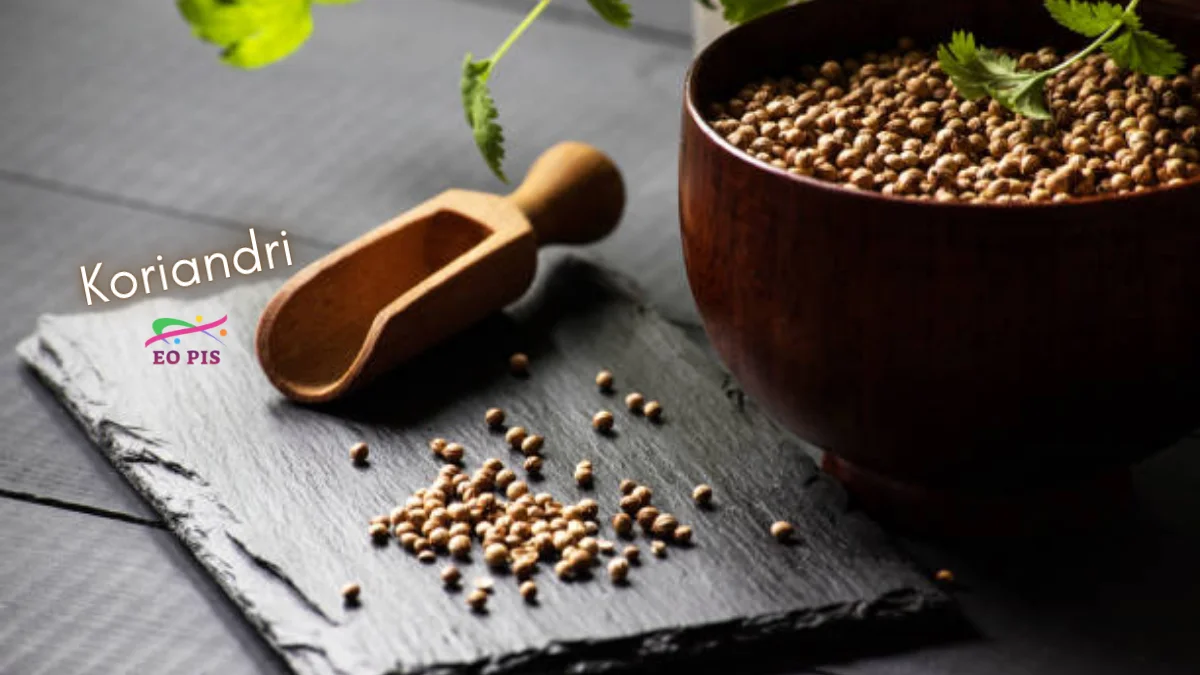
Introduction to Koriandri
Koriandri, also known as cilantro or coriander, is a vibrant herb that has captured the hearts and palates of food lovers around the globe. With its fresh, zesty flavor and unique aroma, koriandri adds a special touch to countless dishes—from salsas and curries to salads and soups. But this delightful herb is more than just a culinary favorite; it’s steeped in history and packed with health benefits.
As we explore the fascinating world of koriandri, you’ll discover why this herb deserves a prominent spot in your kitchen. Whether you’re an adventurous cook or simply looking to enhance your meals with nutritious ingredients, koriandri offers something for everyone. So let’s dive into its rich heritage, culinary versatility, medicinal qualities—and learn how you can grow it right at home!
History and Cultural Significance of Koriandri
Koriandri, known as coriander in many parts of the world, has a rich history that dates back thousands of years. This herb is believed to have originated in regions spanning Southern Europe and Asia. Ancient Egyptians even used it for mummification and as a seasoning.
In traditional Indian cuisine, koriandri holds a revered place. Its leaves are often sprinkled on dishes for flavor and garnish, while the seeds are ground into spice blends essential to many recipes.
Culturally, koriandri represents more than just taste; it carries symbolism across various societies. In some cultures, it’s thought to bring good luck and prosperity. The herb’s distinct aroma evokes memories of home-cooked meals shared with family around the table.
As global trade expanded over centuries, koriandri found its way into diverse culinary traditions worldwide—connecting people through shared flavors and experiences.
Culinary Uses and Benefits of Koriandri
This aromatic herb, Koriandri, also known as coriander, can transform simple dishes into flavorful delights. Its bright green leaves add freshness to salads and salsas, while the seeds offer a warm, nutty flavor when toasted.
In cooking, koriandri shines in various cuisines. It plays a key role in Indian curries and Mexican salsas. The versatility of this herb allows it to complement both savory and sweet dishes. Think of adding finely chopped koriandri to your guacamole or sprinkling it over roasted vegetables for an aromatic twist.
Beyond its culinary flair, koriandri brings numerous health benefits. Rich in antioxidants and vitamins A and C, it supports immune function and promotes skin health. Incorporating fresh or dried koriandri into meals not only tantalizes your taste buds but also boosts nutritional value effortlessly.
Medicinal Properties and Health Benefits of Koriandri
Koriandri—also referred to as cilantro—is a herb that goes beyond ordinary cooking. It boasts numerous medicinal properties that have been valued for centuries.
This green powerhouse contains antioxidants and essential oils that combat oxidative stress in the body. These compounds can help reduce inflammation and support overall health.
Rich in vitamins A, C, and K, koriandri promotes healthy skin and boosts the immune system. Its high fiber content aids digestion and helps maintain gut health.
Some studies suggest koriandri may even lower blood sugar levels. This makes it potentially beneficial for diabetics seeking natural ways to manage their condition.
Additionally, the herb has antibacterial properties that can keep harmful bacteria at bay. Incorporating koriandri into your meals not only enhances flavor but also supports wellness in various ways.
Global Flavor Profiles and Dishes that Incorporate Koriandri
Koriandri, known as cilantro in many parts of the world, brings a refreshing burst of flavor to countless cuisines. In Mexican dishes, it’s an essential ingredient in salsas and guacamole, adding brightness and depth.
In Indian cooking, koriandri is often used both as a garnish and blended into curries for its aromatic qualities. It complements spices beautifully while enhancing the overall taste profile.
Middle Eastern meals also celebrate koriandri; it’s found in tabbouleh salads where it mingles with parsley and bulgur wheat. This herb elevates the dish with its unique aroma.
Asian cuisine utilizes koriandri too. Think Thai tom yum soup or Vietnamese pho—both showcase this herb’s ability to balance heat with freshness.
No matter where you travel on your culinary journey, you’ll find that koriandri plays a vital role in creating unforgettable flavors across diverse global dishes.
Tips for Growing and Using Fresh Koriandri in Cooking
Nurturing fresh Koriandri at home is both straightforward and fulfilling. Start by choosing a sunny spot in your garden or on your balcony. This herb thrives in well-draining soil, so ensure good drainage to prevent root rot.
When planting seeds, space them about 12 inches apart. Water regularly but avoid soaking the soil. Koriandri grows quickly; you can start harvesting leaves once they reach about six inches tall.
In the kitchen, fresh koriandri offers an explosion of flavor. Add it to salsas for freshness or sprinkle over curries just before serving for a burst of aroma. You can also blend it into pesto for a twist on traditional recipes.
Don’t forget that both leaves and stems are edible! Use every part to maximize flavor while minimizing waste in your cooking adventures. Experimenting with this versatile herb will elevate everyday dishes effortlessly.
Conclusion: Why You Should Incorporate Koriandri in Your Diet?
Koriandri is more than just a herb; it’s a culinary treasure that brings flavor and health benefits to your table. Incorporating koriandri into your diet can enhance not only the taste of your dishes but also contribute to your overall well-being.
Its unique flavor profile makes it versatile for various cuisines, allowing you to experiment in the kitchen with ease. Whether you’re adding fresh leaves to brighten up salads or using its seeds as ground spice in marinades, koriandri opens doors to new tastes.
Moreover, with its impressive medicinal properties—ranging from digestive aid to anti-inflammatory effects—this herb supports a healthier lifestyle. As more people seek natural remedies alongside delicious food, koriandri stands out as an excellent choice.
Growing fresh koriandri at home offers convenience and freshness that’s hard to beat. Just imagine snipping off some leaves right before cooking! This easy-to-grow plant thrives both indoors and outdoors, making it accessible for everyone.
Bringing together tradition and innovation, incorporating koriandri into everyday meals invites a delightful mix of flavors while boosting nutrition. So why wait? Dive into the world of koriandri today and experience all it has to offer for your palate and health!
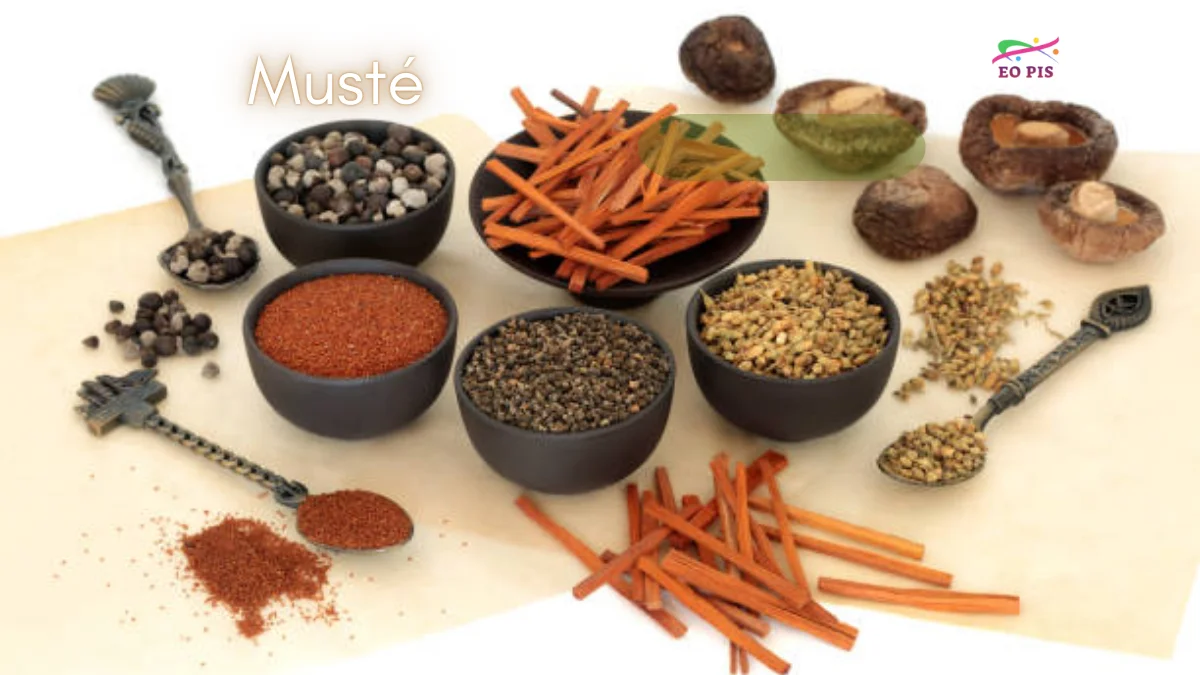
Introduction to Musté and its origins
Imagine a culinary ingredient that has journeyed through time, weaving its way into the heart of various cultures and cuisines. Musté is that hidden gem, often overlooked yet bursting with flavor and history. Originating from ancient traditions, this remarkable element not only tantalizes your taste buds but also carries a wealth of health benefits. As we unravel the secrets behind musté, prepare to explore how it enriches global cuisine and why it deserves a spot in your pantry. Join us on this flavorful adventure as we dive deeper into the world of musté!
Musté in different cultures and cuisines
Musté has woven itself into the fabric of diverse culinary traditions around the globe. In South American cuisines, for instance, it enhances traditional dishes with its rich flavor profile. Chefs often pair it with vibrant spices to create unforgettable meals.
In Asian cooking, musté finds a place in stir-fries and stews. Its versatility allows it to absorb various flavors while contributing its own unique essence. The result is a harmonious blend that excites the palate.
European kitchens have also embraced musté. It’s frequently featured in rustic breads and artisanal cheeses, adding depth and character to these staples.
Across Africa, musté is celebrated in both savory and sweet forms. From hearty tagines to delightful desserts, this ingredient showcases cultural diversity through food.
Each region imparts its distinct touch on mustés-based dishes, making it truly universal yet distinctly local at the same time.
The health benefits of consuming Musté
Musté is not just a culinary delight; it also offers numerous health benefits. Rich in antioxidants, it helps combat oxidative stress and reduces inflammation in the body.
Packed with essential vitamins and minerals, Mustés can boost your immune system. Regular consumption may enhance overall wellness and vitality.
This ancient ingredient is known to aid digestion as well. The fiber content supports gut wellness and consistent digestive flow.
Moreover, Musté has low-calorie properties while still being filling. This makes it an excellent choice for those looking to maintain a healthy weight without sacrificing flavor or satisfaction.
Incorporating Musté into your meals can also support heart health. The compounds found within contribute to better circulation and lower cholesterol levels over time.
These benefits make Mustés a powerful addition to any diet, ensuring you not only enjoy delicious flavors but also prioritize your well-being.
Traditional Musté recipes from around the world
Traditional Musté recipes showcase the versatility of this ancient ingredient across various cultures. In Mexico, for instance, you’ll find Mustés used in a rich mole sauce. It elevates the taste, making it more nuanced and memorable.
In India, Musté plays a vital role in traditional curry. Its earthy flavor harmonizes beautifully with spices like turmeric and cumin, creating a comforting meal that warms the soul.
Moving to Italy, Mustés can be spotted in rustic risottos. Here it lends an unexpected nutty richness that elevates simple ingredients into something extraordinary.
Japanese cuisine also embraces Mustés through unique pickling techniques. The result is a tangy side dish that complements sushi or grilled fish effortlessly.
Each recipe tells its own story while honoring the cultural significance of Mustés as both food and tradition. With every bite, you are transported across borders and back in time.
Modern twists on Musté dishes
Modern chefs are reimagining musté in exciting ways. They blend traditional recipes with contemporary techniques to create culinary masterpieces.
Consider a musté-infused risotto, where creamy Arborio rice absorbs the unique flavors of this ancient ingredient. The result is a dish that pays homage to its roots while appealing to modern palates.
Another innovative approach involves incorporating mustés into smoothies or juices for an antioxidant boost. This method makes it easy to enjoy its benefits on the go.
Street food vendors have also jumped on board, offering gourmet tacos filled with spicy musté and fresh toppings. It’s a delightful fusion that marries tradition with trendy street cuisine.
Even desserts aren’t left untouched; think of mustés-flavored ice creams or pastries that surprise and delight your taste buds. Each twist offers a new way to savor this versatile ingredient while keeping the essence of its rich history alive.
Global impact and trade of Musté
The global trade of musté has seen a remarkable surge in recent years. Its unique flavor and versatility have captivated chefs and home cooks alike, leading to increased demand across various markets.
Countries known for their rich culinary traditions have embraced mustés as an essential ingredient. From Latin America to Asia, its applications span traditional dishes to modern gastronomy. This growing popularity not only elevates local cuisines but also contributes significantly to economic growth in producing regions.
Sustainable practices are vital in the cultivation of mustés. As consumers become more conscious about their food choices, organic and ethically sourced options are gaining traction. Producers strive to meet these demands while ensuring quality remains high.
Trade routes continue to expand, connecting farmers with international buyers. The cultural exchange that follows enriches our plates and encourages culinary innovation worldwide. Mustés is no longer just an ancient ingredient; it’s a bridge between nations through the love of food.
How to incorporate Musté into your diet?
Incorporating musté into your diet is both easy and rewarding. Start by adding it to salads for an earthy flavor boost. Simply sprinkle some ground musté over leafy greens or mix it into dressings.
For breakfast, consider blending mustés into smoothies. Its nutty profile adds a unique taste along with nutritional benefits. You can also stir it into yogurt or oatmeal for added texture.
When cooking grains, toss in a spoonful of mustés during the cooking process. This will infuse your rice, quinoa, or couscous with rich flavors.
Don’t forget about snacks! Mix roasted nuts with a touch of mustés seasoning for a delightful treat that’s packed with nutrients.
Experimenting is key; try using it in marinades and sauces as well. The versatility of musté makes it an ideal ingredient for various culinary adventures.
Conclusion: Why you should give this ancient ingredient a try?
Musté is more than just an ingredient; it’s a journey into history, culture, and health. From its ancient roots to its modern adaptations, mustés brings a unique flavor and nutrition that can enhance any meal. Exploring the culinary secrets of mustés opens doors to diverse recipes from around the globe while introducing you to myriad health benefits.
Incorporating mustés into your diet isn’t just about enjoying delicious dishes; it’s also about connecting with traditions that span continents. Whether you’re drawn in by traditional recipes or inspired by contemporary twists, there’s something for everyone.
As awareness grows regarding sustainable practices and global trade impacts, choosing ingredients like mustés can contribute positively to our food systems. So why not take the plunge? Embrace this ancient ingredient and let it transform your cooking experience today!
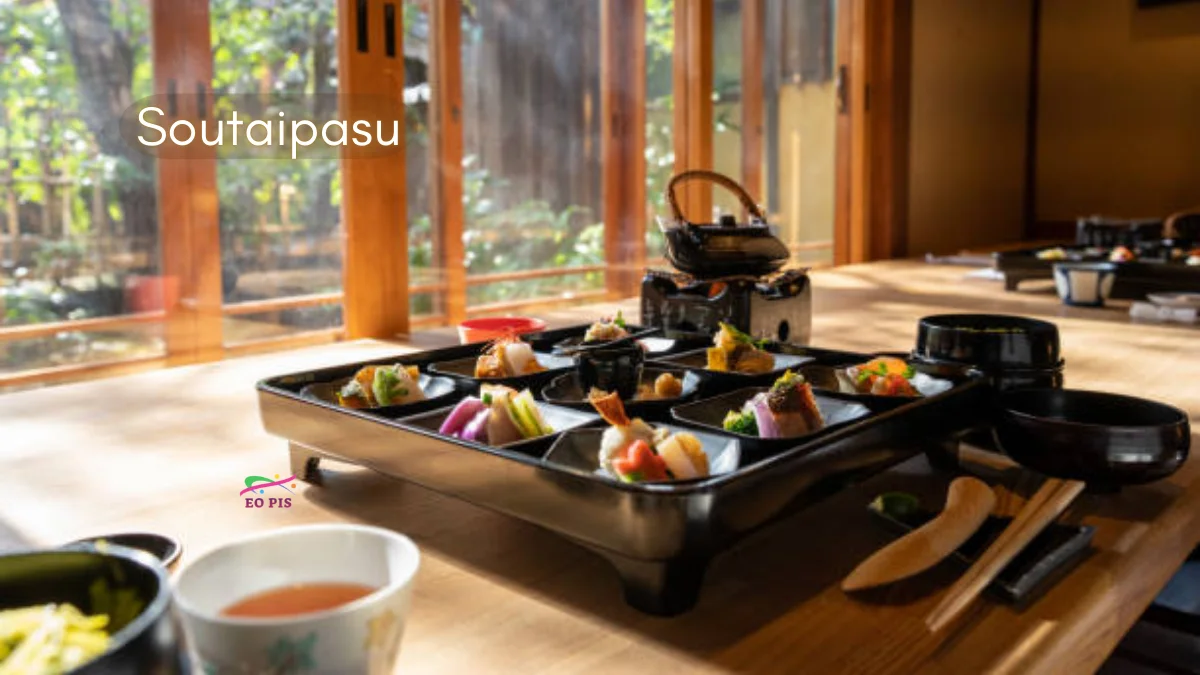
Introduction to Soutaipasu
Soutaipasu is not just a cuisine; it’s an experience that invites you to savor the rich tapestry of flavors, aromas, and textures. This heritage cooking style draws inspiration from the earth, combining natural ingredients with time-honored techniques to create dishes that are both nourishing and satisfying. As you delve into the world of soutaipasu, prepare your taste buds for a journey where tradition meets innovation in every bite. Whether you’re a seasoned foodie or someone simply looking to explore new culinary realms, soutaipasu promises an adventure worth embarking on. Let’s uncover its history, key elements, and how this remarkable cuisine can enrich our everyday lives!
History and origins of Soutaipasu cuisine
Soutaipasu cuisine traces its roots to the lush landscapes of Southeast Asia, where nature’s bounty inspires every dish. It emerged from a fusion of indigenous culinary practices, influenced by neighboring cultures over centuries.
The name “Soutaipasu” reflects a deep connection to tradition and community. Families have passed down recipes through generations, each adding their unique touch while adhering to core principles of flavor balance and respect for ingredients.
Historical trade routes played a vital role in shaping Soutaipasu. Spices and herbs traveled along these paths, enriching local flavors with new dimensions. This exchange fostered creativity among cooks who embraced diverse techniques.
As time progressed, Soutaipasu evolved into more than just food; it became an expression of identity. Festivals celebrating harvests or family gatherings often showcase dishes that highlight this vibrant heritage. Every dish conveys a rich tapestry of heritage and tradition.
Key ingredients and flavors used in Soutaipasu dishes
Soutaipasu cuisine is a vibrant tapestry woven with fresh, local ingredients. Every plate reflects the essence of the land and its seasonal gifts.
At the heart of Soutaipasu are aromatic herbs like basil and cilantro. These herbs not only add fragrance but also brighten flavors.
The use of seasonal vegetables stands out too. From root vegetables to leafy greens, they bring texture and color to every plate.
Proteins in Soutaipasu often come from sustainable sources such as fish or free-range meats. This commitment ensures that each bite is both ethical and delicious.
Spices play an essential role as well, providing warmth without overwhelming the palate. Common spices include ginger, garlic, and various chilies for just the right kick.
Umami elements like fermented sauces enrich dishes further while highlighting nature’s complexity in flavor profiles. Each ingredient sings harmoniously together in this celebrated cuisine.
Unique cooking techniques and methods in Soutaipasu cuisine
Soutaipasu cuisine showcases a fascinating array of unique cooking techniques that elevate each dish. One notable method is the use of slow-cooking, which allows flavors to meld beautifully over extended periods. This technique enhances the richness and depth of the ingredients.
Another intriguing approach involves steaming using bamboo baskets. This traditional practice not only preserves nutrients but also imparts a subtle aroma, making each bite memorable.
Fermentation plays a significant role too. Ingredients are often fermented to develop complex flavors that add dimension to meals while promoting gut health.
Grilling over open flames is common as well, infusing dishes with smoky undertones that tantalize the taste buds. Each cooking method in Soutaipasu brings together flavor and culture, creating an experience that’s both nourishing and delightful.
Health benefits of Soutaipasu cuisine
Soutaipasu cuisine is not only a feast for the senses but also offers numerous health benefits. At its core, this culinary tradition emphasizes fresh, seasonal ingredients. This focus ensures that meals are rich in vitamins and minerals.
Many Soutaipasu dishes incorporate whole grains, vegetables, and lean proteins. These components promote heart health and aid digestion. The use of herbs and spices enhances both flavor and nutritional value without added calories.
Moreover, Soutaipasu often includes fermented foods such as pickles or miso. These items support gut health by boosting beneficial bacteria in our digestive system.
The balance of flavors in Soutaipasu encourages mindful eating habits. Diners savor each bite while appreciating the nuances of taste—promoting satisfaction with smaller portions.
Incorporating these elements into your diet can lead to improved vitality and well-being over time. Enjoying Soutaipasu means embracing a way of life centered around nourishment from nature.
Traditional Soutaipasu dishes to try
When exploring traditional Soutaipasu dishes, the vibrant flavors ignite the senses. One must-try dish is “Soutai Noodle Soup.” This heartwarming bowl features delicate noodles simmered in a rich broth infused with herbs and spices.
Next on the list is “Spiced Grilled Fish,” a celebration of fresh catch marinated in local seasonings. The smoky aroma combined with a hint of citrus creates an unforgettable experience.
For those craving something hearty, savor the “Vegetable Stew.” Packed with seasonal vegetables and aromatic herbs, it reflects nature’s bounty while focusing on balance and taste.
Don’t overlook “Herb Rice,” often served alongside main courses. Infused with fragrant herbs, each bite offers a delightful burst of flavor that complements any meal perfectly.
These dishes capture the essence of Soutaipasu cuisine—rich in tradition yet inviting to every palate eager for authentic experiences.
Modern adaptations of Soutaipasu cuisine
Modern adaptations of Soutaipasu cuisine are exciting and diverse. Chefs today embrace the traditional roots while experimenting with global influences.
Fusion dishes are becoming popular, combining Soutaipasus flavors with elements from Italian or Mexican cuisines. Imagine a creamy risotto infused with aromatic herbs typical in Soutaipasu.
Plant-based ingredients also play a significant role in these adaptations. Vegan versions of classic dishes replace meat without sacrificing flavor, maintaining balance and depth.
Street food culture has taken notice too. Food trucks serve innovative takes on traditional recipes, appealing to younger audiences seeking convenience alongside authenticity.
Social media platforms showcase visually stunning plates that highlight the vibrant colors found in Soutaipasus meals, attracting food enthusiasts everywhere.
This evolution keeps the essence alive while inviting new palates to experience its rich heritage through contemporary twists.
How to incorporate elements of Soutaipasu?
Incorporating elements of Soutaipasu into your cooking can be a delightful adventure. Start by exploring key ingredients like fresh herbs, vegetables, and natural spices. These components are the heart of Soutaipasu cuisine.
Experiment with layering flavors using both traditional and modern techniques. Consider marinating proteins in herb-infused oils or creating vibrant salads that celebrate seasonal produce.
Utilize unique cooking methods such as steaming or grilling to enhance natural flavors while maintaining health benefits. This approach preserves nutrients and keeps dishes light yet satisfying.
Don’t shy away from presentation either; beautiful plating is essential in Soutaipasus culture. Use colorful garnishes to elevate your meals visually.
Embrace the philosophy of balance by pairing contrasting textures—smooth sauces with crunchy toppings create an engaging culinary experience that reflects the essence of Soutaipasus cuisine.
Conclusion
Soutaipasu offers a unique glimpse into a world where flavor, balance, and nature intertwine seamlessly. This heritage cuisine invites you to explore its rich history and vibrant ingredients. The cooking techniques passed down through generations not only preserve tradition but also celebrate health benefits that can enhance well-being.
As you experiment with Soutaipasu dishes in your kitchen or seek out modern adaptations at local eateries, you’ll discover the depth of this culinary art form. Each bite tells a story—a story of culture, community, and an unwavering connection to nature.
Embracing Soutaipasu means more than just enjoying delicious food; it’s about honoring the past while looking forward to innovative possibilities. Whether you’re savoring traditional recipes or infusing contemporary twists into your meals, the essence of Soutaipasu will leave an indelible mark on your palate and heart alike.


-

 General2 months ago
Quikernews.com: Redefining Real-Time Journalism in the Digital Age
-

 Entertainment2 months ago
PremiumIndo69: The Rise of an Exclusive Digital Ecosystem for Next-Gen Entertainment
-

 Eo Pis3 months ago
Unlocking the Power of EO PIs: A Personalized Path to Natural Wellness
-

 Technology1 month ago
Pi123: Revolutionizing Data-Driven Decisions with High-Speed, High-Accuracy Math Engines
-

 Eo Pis3 months ago
What is EO PIs? Unveiling the Healing Power Behind Essential Oils
-

 Technology2 months ago
هنتاوي.com: Redefining the Arabic Web Experience in a Digitally Localized World
-

 General2 months ago
Avstarnews Contact Working Hours: Your Complete Guide to Reaching the Right Support at the Right Time
-

 Technology3 months ago
Newznav.com 8888996650: Unmasking the Mysterious Digital Duo Reshaping News and Communication in 2025