Health
Pizmotidxizvou: The Hidden Force Shaping Culture and Identity

Introduction to Pizmotidxizvou
Hidden within the layers of our everyday experiences lies a powerful force known as pizmotidxizvou. It shapes who we are, influences how we interact with one another, and molds the very cultures that define us. Yet, for many, this intricate concept remains shrouded in mystery. What exactly is pizmotidxizvou? How did it come to be, and why does it hold such significance today?
As societies evolve and cultural landscapes shift, understanding pizmotidxizvou becomes increasingly vital. This exploration reveals not just an abstract idea but an essential thread weaving through the fabric of our identities. Join me on a journey uncovering the origins and impact of pizmotidxizvou—an influential element that continues to redefine culture across various communities around the globe.
What is Pizmotidxizvou?
Pizmotidxizvou is a multifaceted concept that transcends mere definition. It embodies the intricate web of influences, beliefs, and practices shaping our collective cultural landscape.
At its core, pizmotidxizvou represents the dynamic interplay between tradition and modernity. It serves as a vessel through which communities express their identity while navigating an ever-changing world.
This phenomenon manifests in various forms—art, language, rituals—and reflects both personal experiences and communal narratives. Each instance of pizmotidxizvou offers insights into how individuals perceive themselves amidst broader societal frameworks.
Recognizing pizmotidxizvou means acknowledging its role in creating connections among people. These connections foster understanding and resonance across diverse cultures. In many ways, it becomes a bridge linking past generations with current realities.
By exploring this rich tapestry of influence, we can begin to appreciate the profound effects of pizmotidxizvou on our lives today.
Historical Origins and Evolution of Pizmotidxizvou
The roots of pizmotidxizvou stretch back centuries, intertwining with the fabric of diverse civilizations. Initially, it emerged as a spontaneous expression of community values and shared beliefs.
As societies evolved, so did this concept. It adapted to changes in technology and communication, reflecting the dynamic nature of cultural exchange. Throughout history, pivotal events—wars, migrations, and trade—shaped its interpretation.
In ancient cultures like those in Mesopotamia and Mesoamerica, pizmotidxizvou manifested through rituals that reinforced group identity. Over time, these practices morphed into modern forms influenced by globalization.
Today’s digital age has further transformed pizmotidxizvou; social media platforms amplify voices that were once marginalized. This evolution highlights how enduring yet adaptable cultural elements can be across generations while still retaining their core essence.
The Impact of Pizmotidxizvou on Culture and Identity
Pizmotidxizvou serves as a silent architect of cultural landscapes. It subtly shapes the norms, values, and behaviors that define communities.
Through art, music, and storytelling, pizmotidxizvou influences how individuals perceive themselves and their surroundings. This dynamic interplay fosters connections between people and their heritage.
In many societies, it acts as a bridge across generations. Traditions morph over time yet retain essential elements rooted in pizmotidxizvou. These nuances reflect shared experiences that bind groups together.
Moreover, its role extends to identity formation. Individuals often navigate their sense of self through the lens of pizmotidxizvou by embracing or challenging these cultural markers.
The impact resonates deeply within social interactions too. Cultural expressions intertwined with pizmotidxizvou can prompt dialogue about beliefs and practices while promoting understanding across diverse backgrounds.
Examples of Pizmotidxizvou in Different Societies
Pizmotidxizvou manifests in various forms across cultures. In Indigenous communities, storytelling serves as a powerful vehicle for transmitting values and beliefs. These narratives carry wisdom that shapes identity and reinforces social bonds.
In urban settings, street art is another vivid example of pizmotidxizvou. Murals often reflect the struggles and aspirations of local residents, turning public spaces into canvases of cultural expression. Each brushstroke tells a story rooted in community experiences.
Music also plays a crucial role. Genres like hip-hop or folk music resonate deeply with their origins, echoing historical events while fostering unity among listeners.
Religious practices further illustrate this concept. Rituals passed down through generations connect individuals to their heritage, creating an enduring sense of belonging within diverse faith communities.
These examples highlight how pizzmotidxizvou weaves itself into the fabric of everyday life across different societies globally.
How to Identify Pizmotidxizvou in Daily Life?
Identifying pizmotidxizvou in daily life can be both intriguing and enlightening. Start by observing the subtle influences around you. Notice how certain traditions shape social interactions within your community.
Think about common practices or rituals that seem unique to your culture. These might point towards underlying principles of pizmotidxizvou at play.
Pay attention to language, symbols, and art forms that resonate with collective identities. The way people express themselves through these mediums often reflects deeper connections tied to pizmotidxizvous.
Consider the choices made in celebrations or gatherings. Do they emphasize shared values or beliefs? This could reveal significant insights into this hidden force shaping identity.
Engage with diverse groups and explore their perspectives on cultural elements. Each conversation can uncover layers of pizmotidxizvous intertwined within everyday experiences.
The Future of Pizmotidxizvou and its Influence on Society
The future of pizmotidxizvou is shaping up to be a dynamic force in various spheres of society. As global connectivity increases, its influence will likely grow even stronger. This phenomenon transcends geographical boundaries, adapting and intertwining with different cultures.
Emerging technologies play a crucial role in this evolution. Social media platforms amplify the reach of pizmotidxizvous, allowing ideas and identities to flourish in new ways. The blending of traditions enhances creativity while fostering inclusivity among diverse groups.
Moreover, younger generations are driving change by embracing these concepts more openly. They challenge conventional norms and redefine identity based on personal experiences rather than solely cultural heritage.
As we move forward, it’s essential to pay attention to how pizmotidxizvous shifts narratives around culture and belonging. It has the potential not only to enrich individual lives but also to reshape societal values over time.
Conclusion
Pizmotidxizvou represents a fascinating tapestry of ideas, traditions, and expressions that shape our cultural landscapes. Its historical roots run deep, reflecting the complexities of human experience across various societies. As we navigate through life, recognizing the subtle ways pizmotidxizvou manifests can enrich our understanding of identity.
The impact on culture is profound. It influences art, language, and social interactions in ways often overlooked. By observing its presence in daily experiences—from conversations to community events—we gain insight into how it molds collective identities.
Looking ahead, pizmotidxizvous will continue to evolve alongside societal changes. Its ability to adapt ensures it remains relevant as new generations emerge with fresh perspectives and innovations.
As we reflect on these dynamics, one thing becomes clear: embracing pizmotidxizvous fosters a deeper appreciation for the diverse threads woven into our shared existence. This hidden force not only shapes who we are but also guides us toward a more inclusive future where every voice matters.
Keep exploring fresh insights on EO PIS — knowledge grows with every click.

Qatar’s healthcare system has experienced dramatic transformation and expansion over the past two decades as the country systematically builds world-class medical infrastructure, establishes comprehensive primary and specialized care facilities, and pursues ambitious health objectives outlined in Qatar National Health Strategy and Qatar National Vision 2030. This healthcare investment creates sustained growing demand for skilled healthcare professionals across diverse specialties including nursing, respiratory therapy, medical radiography, public health, health informatics, pharmacy technology, dental hygiene, medical laboratory science, and healthcare administration.
Choosing the right health college can genuinely launch a future-proof career in one of Qatar’s most stable and rapidly expanding employment sectors. Health colleges in Qatar have developed comprehensive programs combining rigorous academic preparation with extensive practical clinical training, sophisticated laboratory simulations, and direct healthcare industry partnerships ensuring graduates possess the competencies employers actively seek. Whether you’re a secondary school graduate planning a healthcare career, a working professional seeking advanced credentials, or a career changer entering health professions, understanding which institutions excel in specific health education domains helps you invest strategically in credentials preparing you for meaningful careers supporting Qatar’s expanding healthcare system and improving population health outcomes.
Understanding Excellence in Health Education
The top health colleges in Qatar demonstrate critical characteristics distinguishing them from institutions merely teaching health sciences theory without connecting knowledge to clinical practice or healthcare employment realities. Strong partnerships with major healthcare providers including Hamad Medical Corporation, Primary Health Care Corporation, Sidra Medicine, and specialized facilities ensure curricula remain current with actual clinical practices, emerging medical technologies, and evolving patient care standards rather than outdated academic exercises.
Extensive applied learning opportunities integrated throughout programs—including sophisticated clinical simulations using high-fidelity mannequins and equipment, substantial clinical placements in actual healthcare facilities under professional supervision, comprehensive laboratory training with current medical technologies, and structured internships providing genuine patient care experience—develop practical competencies purely classroom education cannot replicate. Faculty quality matters tremendously, with the strongest programs employing instructors who balance appropriate academic credentials with substantial clinical experience, teaching students not merely what textbooks describe but precisely how to apply knowledge in actual patient care situations and healthcare teams.
Curriculum should systematically develop both technical clinical skills and professional capabilities including patient communication, interprofessional collaboration, ethical decision-making, and cultural competence essential for effective healthcare delivery. Alignment with Qatar’s national healthcare strategy and Vision 2030 workforce goals ensures programs produce graduates meeting the country’s specific healthcare workforce needs.
Top 6 Health Colleges in Qatar
1. University of Doha for Science and Technology (UDST) – Top for Applied Health Sciences

The University of Doha for Science and Technology’s School of Health Sciences stands as Qatar’s undisputed premier institution for applied, workforce-aligned health education that systematically prepares graduates for immediate professional contribution across Qatar’s rapidly expanding healthcare system. UDST leads the country and region in producing health graduates ready to serve Qatar’s national healthcare strategy through practice-focused degrees in respiratory therapy, public health, nursing, medical radiography, health informatics, and related allied health fields explicitly designed around real-world clinical skills and applied knowledge healthcare employers actively seek.
Programs feature extensive hands-on learning integrated throughout every stage, including sophisticated simulated laboratories equipped with high-fidelity medical mannequins, current diagnostic equipment, and healthcare technologies where students practice clinical procedures and patient care scenarios in safe controlled environments, substantial clinical placements in local hospitals including Hamad Medical Corporation facilities, Primary Health Care centers, Sidra Medicine, and specialized clinics where students provide genuine patient care under experienced clinical supervision, and comprehensive industry certification preparation ensuring graduates possess not only academic credentials but professional certifications employers require.
The curriculum emphasizes workforce readiness and practical clinical competency in actual healthcare settings through direct employer partnerships actively shaping program content, clinical training sequences, competency assessments, and learning outcomes. What fundamentally distinguishes UDST’s health sciences programs is their systematic alignment with Qatar National Health Strategy workforce priorities and direct healthcare employer input through formal advisory boards comprising hospital administrators, nursing directors, allied health department heads, and senior healthcare executives ensuring graduates possess precisely the clinical capabilities Qatar’s healthcare system urgently needs. Students develop genuine practical proficiency with contemporary medical technologies, electronic health record systems, patient monitoring equipment, diagnostic imaging technologies, respiratory therapy devices, and clinical procedures actually used daily in Qatari healthcare facilities. Faculty balance advanced academic qualifications with substantial clinical experience in Qatari healthcare settings, teaching students not merely theoretical knowledge but how to apply concepts solving actual patient care challenges in regional healthcare contexts. The strong clinical depth and comprehensive employer partnerships produce graduates who enter healthcare workforces confident, immediately capable, and prepared to contribute meaningfully to patient care from their first professional positions.
2. College of the North Atlantic-Qatar (CNA-Q) – Top for Technical Health Diplomas
College of the North Atlantic-Qatar operates as Qatar’s leading polytechnic institution for technical health professions education, delivering job-ready diplomas and applied technical training in pharmacy technology, radiography, dental hygiene, biomedical equipment technology, and allied health professions with deliberate focus on hands-on practical training, industry-recognized certifications, and fast entry pathways into Qatar’s healthcare workforce.
Following a proven polytechnic educational model emphasizing practical skill development and technical competency over purely theoretical academic instruction, CNA-Qatar designs programs around actual job requirements in healthcare facilities, pharmacies, dental clinics, and diagnostic centers where graduates will work immediately upon program completion. The comprehensive laboratories and direct employer linkages ensure students are thoroughly prepared for professional certification examinations and rapid workforce entry into in-demand allied health careers requiring specialized technical skills.
Students engage extensively with current medical equipment, healthcare technologies, and clinical procedures through laboratory training accurately replicating professional healthcare environments, substantial clinical practicums providing supervised hands-on experience, and competency-based assessments rigorously measuring actual clinical skills and technical proficiencies rather than just theoretical knowledge.
Strong systematic collaboration with Qatari healthcare employers including major hospitals, primary care facilities, private clinics, pharmacies, and specialized medical centers ensures programs remain continuously aligned with actual workforce needs, current clinical practices, emerging technologies, and evolving healthcare delivery models in Qatar’s rapidly modernizing health system. The polytechnic approach with strong emphasis on rapid job readiness produces graduates who enter healthcare workforces confident and immediately capable, possessing practical clinical skills and technical competencies healthcare employers value and can deploy without extensive additional on-the-job training, addressing critical workforce shortages in technical allied health professions.
3. University of Calgary in Qatar – Top for Professional Nursing Education
University of Calgary in Qatar specializes in delivering internationally-accredited professional nursing education through Canadian bachelor’s and master’s programs that emphasize evidence-based practice, advanced clinical reasoning, and comprehensive preparation for both clinical nursing roles and administrative healthcare leadership positions in Qatar’s expanding healthcare sector.
This Canadian-affiliated university maintains curriculum quality, clinical training standards, and competency expectations identical to Calgary’s home campus while thoughtfully adapting content to Qatar’s healthcare delivery models, multicultural patient populations, and regional healthcare contexts. The accredited international nursing degrees provide genuine credential portability facilitating nursing practice across multiple countries and healthcare systems beyond Qatar, valuable for internationally-mobile healthcare professionals or those planning careers spanning different regions and countries. Programs systematically develop both direct patient care clinical competencies essential for professional nursing practice and advanced leadership tracks preparing graduates for progression into nursing management, clinical supervision, quality improvement roles, healthcare administration, and policy positions. The curriculum comprehensively integrates evidence-based practice methodologies ensuring clinical decisions rest on current research evidence, critical thinking and clinical reasoning skills enabling sound judgment in complex patient situations, patient-centered care approaches respecting individual preferences and dignity, and interprofessional collaboration capabilities essential in modern healthcare teams. Clinical training partnerships with major Qatari healthcare facilities provide students extensive hands-on patient care experience across diverse clinical settings including medical-surgical units, intensive care, maternal-child health, mental health, community health, and specialized areas.
For students wanting internationally-recognized nursing credentials with maximum portability, programs combining clinical excellence with leadership development pathways, or education facilitating careers in both Qatar and international healthcare systems, University of Calgary Qatar provides distinguished professional nursing education unique in the region.
4. Lusail University – Top for Digital and Behavioral Health
Lusail University’s Department of Health Sciences focuses deliberately on emerging innovative areas within healthcare including digital health technologies, wellness promotion and preventative care, health psychology and behavioral health, and interdisciplinary approaches to contemporary health challenges, offering innovative programs in health tech, wellness promotion, and psychology that appeal specifically to students interested in preventative care approaches and digital-first healthcare delivery models rather than traditional clinical treatment paradigms.
As Qatar’s fastest-growing health college for wellness and digital care, Lusail demonstrates notable flexibility and responsiveness in developing programs addressing emerging healthcare sectors, evolving population health needs, and new interdisciplinary domains where healthcare intersects with technology, psychology, wellness, and social sciences—areas increasingly important in modern comprehensive healthcare but underserved by traditional clinical education programs focused primarily on disease treatment. The curriculum emphasizes understanding how technology transforms healthcare delivery through telemedicine, health informatics, digital health monitoring, mobile health applications, and health technology platforms; how psychological and behavioral factors affect health outcomes, illness prevention, treatment adherence, and wellness; and how health promotion and wellness initiatives address population health challenges through preventive approaches rather than just treatment of established diseases.
Programs prepare graduates for roles in emerging healthcare sectors including corporate wellness programs, digital health companies, health promotion agencies, community health organizations, behavioral health services, health technology startups, and governmental wellness initiatives implementing preventative health strategies. For students interested in healthcare’s future directions, interdisciplinary approaches combining health with technology or psychology, careers in wellness promotion and preventative care rather than traditional clinical treatment, or emerging sectors within Qatar’s diversifying healthcare landscape, Lusail University provides innovative health science programs addressing these evolving domains and preparing graduates for next-generation healthcare careers.
5. Doha Institute for Graduate Studies – Top for Health Systems and Policy
The Doha Institute for Graduate Studies serves as the premier graduate option for healthcare policy professionals by offering advanced training in health strategy, policy evaluation, public health governance, health systems analysis, and health economics preparing leaders for governmental health agencies, international health organizations, and policy research institutions rather than direct clinical practice. Focusing deliberately on public administration and development economics applied to health sectors, this graduate institution trains sophisticated professionals who shape health policy, design public health programs, analyze health systems performance, evaluate population health interventions, and contribute to evidence-based health strategy development at organizational, national, and regional levels.
Programs are specifically ideal for careers in Qatar’s Ministry of Public Health, health strategy development organizations, international health agencies operating in the Gulf, NGOs focused on health issues, and research institutions studying regional health challenges and policy solutions. The curriculum emphasizes understanding social determinants of health affecting population outcomes, epidemiological research methodologies for studying disease patterns, health policy analysis frameworks for evaluating governmental initiatives, sophisticated program evaluation techniques measuring intervention effectiveness, health economics principles guiding resource allocation decisions, and evidence-based approaches to improving community and population health beyond individual clinical care.
Students develop advanced capabilities in analyzing complex health data, conducting health services research, understanding how health systems function within broader social and political contexts, formulating evidence-based health policies, and communicating research findings to policymakers and stakeholders. For health professionals seeking graduate-level training in public health policy, individuals planning careers in health strategy and governance, researchers focusing on health systems and population health, or professionals working at the intersection of health and governmental policy, Doha Institute provides specialized advanced education uniquely preparing graduates for these essential strategic roles.
6. Bayan College of Health Sciences – Top Private-Sector Option for Lab and Clinical Training
Bayan College of Health Sciences operates as a private institution delivering focused programs in medical laboratory science, biomedical technology, and nursing with smaller student cohorts, lab-intensive instruction, and personalized educational approaches characteristic of private universities, supporting small class sizes and high lab-to-student access ratios ideal for students seeking more individualized educational pathways. The private health college setting enables smaller class sizes facilitating closer faculty-student relationships and more individualized instruction compared to larger public institutions, extensive laboratory access with higher equipment-to-student ratios allowing more hands-on practice time, and personalized academic support and career guidance tailored to individual student needs and circumstances.
Programs focus particularly on laboratory-focused healthcare disciplines requiring extensive technical training including medical laboratory science preparing students to perform diagnostic tests and analyze patient samples, biomedical technology training students to maintain and operate complex medical equipment, and nursing education developing comprehensive clinical patient care capabilities. The curriculum emphasizes hands-on laboratory training with current diagnostic equipment and technologies, practical skill development through extensive lab practice and clinical experiences, and competency-based assessment rigorously ensuring graduates possess actual capabilities employers seek rather than just theoretical knowledge.
For students who thrive in smaller more personalized educational environments, prefer individualized faculty attention and mentoring over large lecture classes, value extensive hands-on laboratory access and practice time, or seek private college alternatives to Qatar’s public health education institutions, Bayan College provides health science education in a distinct institutional context with different student experience characteristics focusing on personalized attention and intensive laboratory training.
Selecting Your Health Education Path
Choosing the right health college requires clear understanding of which specific health profession you want to pursue, as different institutions serve distinctly different career pathways within Qatar’s healthcare sector. Students planning careers in direct patient care as nurses, respiratory therapists, medical radiographers, or allied health professionals should focus on programs emphasizing clinical skills and practical training like UDST or CNA-Q. Those wanting internationally-recognized nursing credentials with leadership pathways investigate University of Calgary Qatar. Students interested in emerging digital health and wellness sectors explore Lusail University. Individuals pursuing health policy careers need Doha Institute’s graduate programs. Those preferring private college environments consider Bayan College.
Clinical training quality and healthcare facility partnerships matter tremendously for programs preparing students for direct patient care. Investigate which hospitals and clinics each program partners with for clinical placements, as experience in Qatar’s major healthcare institutions provides superior training and valuable networking often facilitating employment.
Accreditation and professional licensing requirements deserve careful attention, particularly for health professions requiring specific certifications to practice in Qatar. Verify your chosen program meets requirements for professional registration with Qatar’s health regulatory authorities.
Ready to pursue health education in Qatar?
Identify which specific health profession aligns with your interests, research clinical training opportunities and healthcare facility partnerships, understand professional licensing requirements, assess whether programs emphasize applied clinical skills or theoretical knowledge, and connect with current students or graduates who can share candid perspectives about program quality and how effectively each institution prepares you for healthcare career success in Qatar’s dynamic health sector.
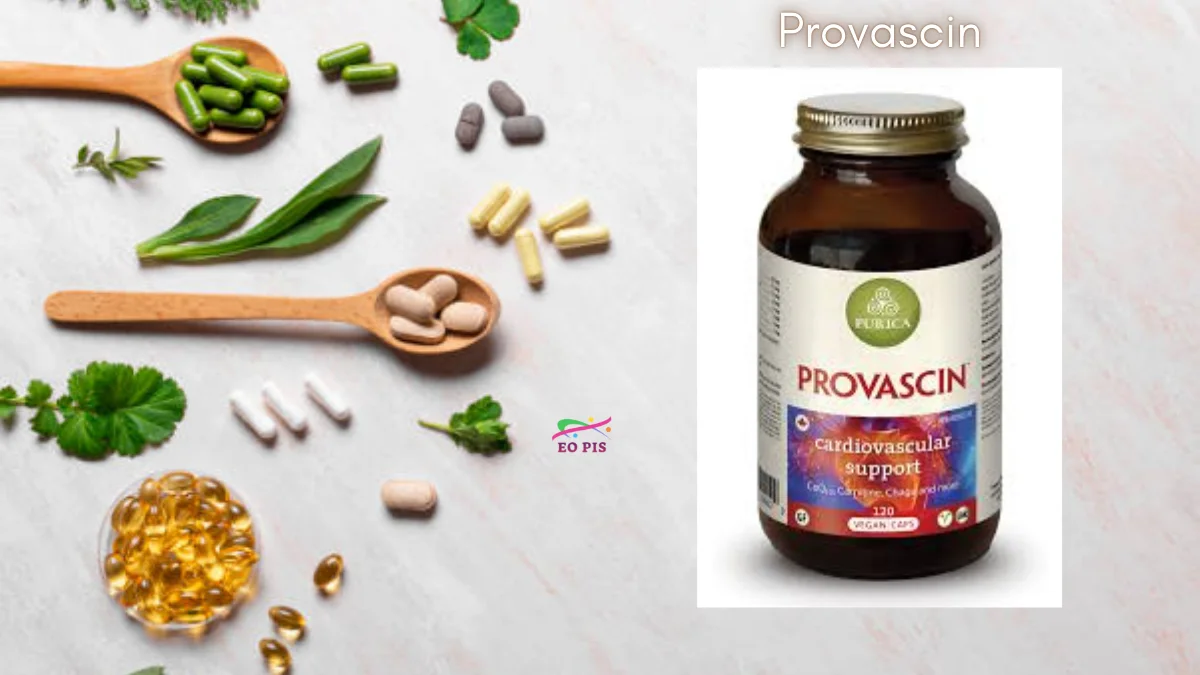
Introduction to Provascin
Are you seeking a more natural approach to improving your overall well-being? Provascin might just be the answer you’ve been searching for. This dietary supplement has gained attention for its unique blend of ingredients aimed at promoting overall well-being. But what exactly is Provascin, and can it really deliver on its promises? Let’s dive into the details, exploring what makes this supplement stand out in a crowded market. Whether you’re dealing with daily stress or simply want to enhance your vitality, understanding Provascin could be the first step towards achieving your health goals.
Key Ingredients and their Benefits
Provascin stands out due to its unique blend of natural ingredients. Every ingredient is chosen based on its ability to contribute positively to overall effectiveness.
One key ingredient is L-Arginine. This amino acid plays a crucial role in improving blood flow and enhancing overall circulation, which can support cardiovascular health.
Another significant component is Ginseng. Renowned for its adaptogenic properties, it helps the body resist stress while boosting energy levels and mental clarity.
Then there’s Panax ginseng, known for promoting vitality and reducing fatigue. It potentially enhances physical performance as well.
You’ll find Green Tea Extract packed with antioxidants. These compounds help combat free radicals in the body, contributing to better cellular health and weight management.
Each ingredient in Provascin works synergistically to promote wellness from multiple angles without harsh side effects often associated with synthetic products.
How Does Provascin Work?
Provascin operates through a blend of natural ingredients that work synergistically to support various bodily functions. It primarily targets the body’s metabolic pathways, enhancing energy levels and promoting weight management.
The formula includes compounds designed to boost thermogenesis, which helps increase calorie burning. This means your body can efficiently convert stored fat into usable energy.
Additionally, Provascin may support mood stabilization by balancing neurotransmitters. A stable mood can lead to better food choices and increased motivation for physical activities.
Furthermore, it promotes healthy blood sugar levels. By regulating glucose metabolism, it helps mitigate cravings that can derail dieting efforts.
This multi-faceted approach ensures that users may experience benefits not just physically but mentally as well. Hence, Provascin seeks to create an overall sense of well-being while aiding in specific health goals.
Safety and Side Effects of Provascin
Evaluating the safety profile is essential before adding any supplement to your routine. Provascin has been formulated with attention to user well-being.
Most users report minimal side effects. However, some may experience mild gastrointestinal discomfort or headaches. These reactions are generally temporary and subside quickly.
It’s crucial to follow the recommended dosage guidelines provided by the manufacturer. Overuse can lead to unexpected results or increased risk of adverse effects.
For those on medications or with pre-existing health conditions, consulting a healthcare professional is wise before starting Provascin. Personalized advice ensures that you’re making informed choices about your health.
Always look for credible sources when researching supplements like Provascin. Stay updated on new studies related to its ingredients and effects as research evolves over time.
Customer Reviews and Critiques
Customer experiences with Provascin vary widely. Some users praise its effectiveness in enhancing their overall well-being. They report increased energy levels and improved focus after incorporating it into their routines.
Conversely, a segment of users has expressed skepticism about the product’s claims. They feel that while it may provide some benefits, results are not consistent across all individuals. This discrepancy often leads to mixed feelings regarding its true efficacy.
Many reviews emphasize the importance of lifestyle factors alongside supplementation. Users who combine Provascin with a balanced diet and regular exercise tend to share more positive outcomes.
In contrast, those relying solely on the supplement without adjusting other aspects of their health often voice disappointment in their results. The varying opinions highlight that individual responses can differ significantly when trying Provascin.
Is Provascin Worth Trying?
When considering whether Provascin is worth trying, it’s essential to weigh the potential benefits against individual needs. Many users report positive outcomes related to mood enhancement and stress reduction. This can be significant for those dealing with daily pressures.
Moreover, the natural ingredients in Provascin appeal to individuals seeking alternatives to pharmaceutical solutions. The holistic approach aligns well with many wellness philosophies today.
However, results can vary widely from person to person. Some may experience noticeable improvements while others might not feel any difference at all.
Speaking with a qualified medical expert before beginning a new supplement can help ensure it suits your individual health needs and objectives.
Making an informed decision about Provascin involves a balance of research and self-reflection on your unique situation and lifestyle choices.
Conclusion
When considering Provascin, it’s essential to weigh its potential benefits against any concerns. Users have reported varied experiences, with some praising the supplement for its positive effects on mood and energy levels, while others remain skeptical about its efficacy. The blend of natural ingredients may appeal to those looking for a holistic approach to wellness.
Safety is paramount when introducing new supplements into your routine. While no significant side effects have been widely reported, it’s advisable to consult a healthcare professional before starting any new regimen, especially if you have pre-existing health conditions or are taking other medications.
The feedback from customers highlights both satisfaction and hesitance regarding results. Individual responses vary due to factors such as lifestyle and dietary habits. It’s important for potential users to consider their own needs and expectations when evaluating whether Provascin might be beneficial for them.
Making an informed choice involves research and self-reflection on personal health goals. Whether Provascin becomes part of your wellness journey will depend on individual circumstances and preferences in seeking enhanced well-being through supplementation.
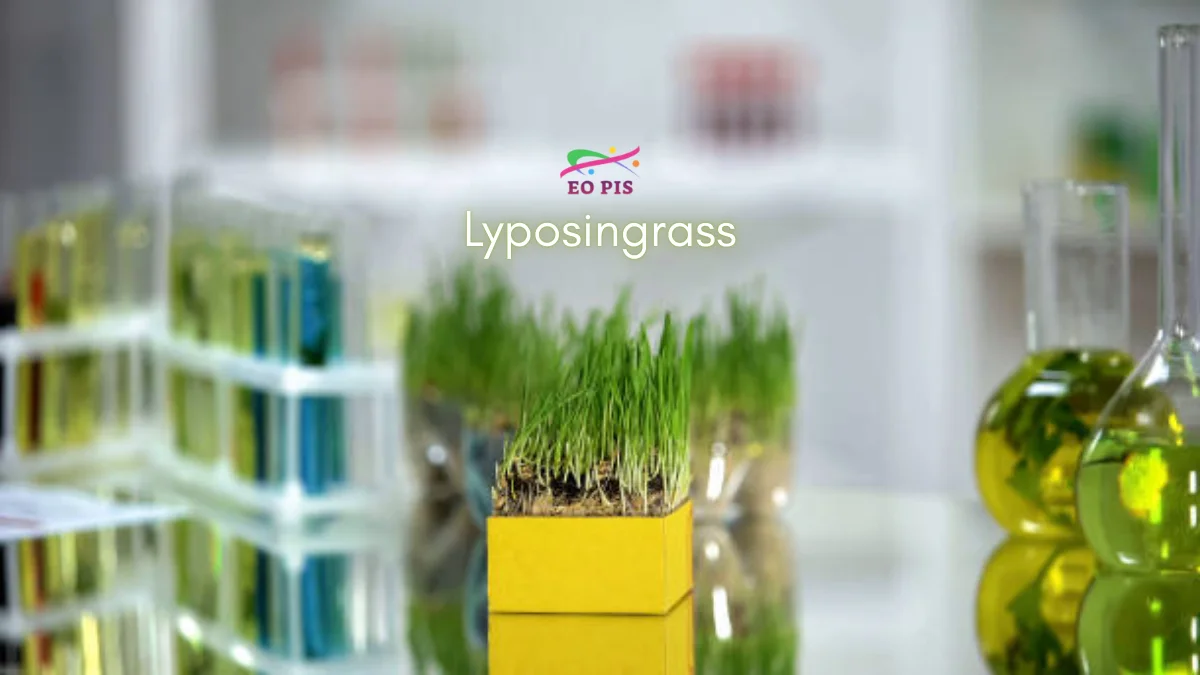
Introduction to Lyposingrass
Welcome to the vibrant world of lyposingrass, a plant that’s turning heads in both gardens and health circles. This lush green marvel not only adds a burst of color to your outdoor space but also packs a punch when it comes to nutritional benefits. Whether you’re an avid gardener or someone simply looking for ways to enhance your wellness routine, lyposingrass has something special in store for you. Dive into this blog as we explore its origins, health advantages, gardening tips, and even creative culinary uses! Get ready to discover why this remarkable plant is becoming the talk of the town.
Origins and Characteristics of Lyposingrass
Lyposingrass, a captivating green plant, has origins rooted in tropical and subtropical regions. It thrives in warm climates, showcasing its vibrant hues under the sun.
Characterized by slender leaves that can grow up to two feet long, it exudes an elegant presence in any garden. The leaves are rich in chlorophyll, giving them their striking green color.
This resilient plant is known for its adaptability to various soil types. Whether sandy or clay-rich, lyposingrass finds a way to flourish.
Beyond its striking greenery, it blooms in petite clusters that draw bees, butterflies, and other pollinators. This adds another layer of interest for gardeners looking to support local wildlife while beautifying their spaces.
Its unique blend of ornamental beauty and hardiness makes lyposingrass a standout choice for both novice and experienced gardeners alike.
Health Benefits of Lyposingrass
Lyposingrass is not just a beautiful addition to your garden; it boasts numerous health benefits that can enhance overall well-being. Packed with antioxidants, this vibrant green plant helps combat oxidative stress and supports the immune system.
Moreover, lyposingrass contains essential vitamins like A and C, which contribute to skin health. These nutrients promote a glowing complexion while fighting free radicals.
The plant also has anti-inflammatory properties. This makes it beneficial for those dealing with chronic inflammation or joint pain. Incorporating lyposingrass into your diet may aid in reducing discomfort over time.
Additionally, it’s known for its digestive benefits. The fiber content aids digestion and promotes gut health, making it an excellent choice for maintaining a balanced diet.
With so many advantages, adding lyposingrass to your meals can be both tasty and nutritious.
Using Lyposingrass in the Garden
Lyposingrass is not just a striking plant; it also serves many practical purposes in your garden. Its vibrant green color adds an eye-catching contrast amongst other foliage, creating a lively atmosphere.
This hardy grass can be used as an ornamental border or even as ground cover. It thrives in various soil types and adapts well to different climates, making it versatile for gardeners of all skill levels.
In addition to its visual appeal, lyposingrass attracts beneficial insects like bees and butterflies. These buzzing allies are essential for keeping your garden’s ecosystem thriving and balanced.
Consider planting it near vegetable beds to enhance biodiversity while providing natural pest control. With minimal maintenance requirements, lyposingrass allows you more time to enjoy the beauty of your outdoor space without constant upkeep.
How to Grow and Care for Lyposingrass?
Growing lyposingrass can be a rewarding venture. Begin by choosing a bright, sunlit area in your garden. This plant thrives in well-draining soil with good organic content.
Water it regularly, but avoid overwatering; damp roots can lead to rot. Maintain steady hydration throughout its active growth period.
Fertilize every few weeks using a balanced fertilizer to encourage lush growth and vibrant color. Pruning is also essential; trim back any dead or yellowing leaves to promote new growth and maintain its aesthetic appeal.
Watch out for pests like aphids or spider mites. Regularly inspect your plants, and if you notice any infestations, treat them promptly with organic insecticides.
In colder climates, consider bringing lyposingrass indoors during winter months or providing adequate protection from frost to ensure it thrives year after year.
Creative Ways to Incorporate Lyposingrass into Your Diet
Lyposingrass adds a fresh twist to various dishes. One simple way to enjoy it is by blending it into smoothies. Just a handful can elevate the flavor while packing in nutrients.
Consider using lyposingrass as a zesty herb for marinades. Its vibrant taste complements chicken, fish, or tofu beautifully. A splash of citrus juice enhances its natural zing.
For those who love salads, finely chop lyposingrass and sprinkle it over your greens. It lends an exciting crunch and brightens up any salad bowl.
If you’re feeling adventurous, try infusing olive oil with lyposingrass. Drizzle this aromatic oil on roasted vegetables or use it as a dipping sauce for bread.
Experiment with homemade sauces or dressings by incorporating minced lyposingrases for an unexpected kick that will have guests asking for your secret ingredient!
The Future Potential of Lyposingrass
Lyposingrass is poised for a bright future. As the world increasingly seeks sustainable and health-conscious food options, this vibrant plant stands out. Its adaptability makes it suitable for various climates, enhancing its appeal to both growers and consumers.
Research continues to reveal new benefits of lyposingrass. Scientists are exploring its potential in natural remedies and nutritional supplements. This could open doors for innovative products that harness its rich properties.
Moreover, as urban gardening gains traction, lyposingrases offers an excellent choice for home gardeners. Its striking green color can beautify any space while providing nourishment.
The trend toward integrating more plants into diets gives lyposingrases an edge in culinary applications too. Chefs may soon feature it prominently on menus, celebrating its unique flavor and versatility in dishes ranging from salads to smoothies.
As awareness grows, so does the potential market for this remarkable plant. The future of lyposingrass seems promising indeed.
Conclusion
Lyposingrass, with its vibrant green hues and myriad benefits, presents a unique opportunity for both health enthusiasts and gardeners alike. Its origins and characteristics make it a fascinating addition to any landscape or diet. The health benefits are compelling, supporting immune function and promoting overall wellness.
In the garden, lyposingrases thrives beautifully, adding aesthetic appeal while serving practical purposes as well. Growing it is relatively simple; with proper care including adequate sunlight and regular watering, anyone can cultivate this plant successfully.
From creative culinary uses to potential future applications in nutrition science, lyposingrases holds promise beyond its current popularity. Embracing this versatile plant could lead to an enriching experience in your home garden or kitchen.
Exploring all that lyposingrass has to offer may just inspire you to incorporate it into your life more frequently. Whether you’re enhancing dishes or beautifying your outdoor space, the journey with lyposingrass is boundless.


-

 General2 months ago
What Is Quikernews.com? Fast News for Busy Readers
-

 Technology2 months ago
What Is هنتاوي.com? A Complete Look at the Term
-

 Entertainment2 months ago
The PremiumIndo69 Protocol: Mastering Digital Authority in Emerging Markets
-

 Eo Pis5 months ago
Unlocking the Power of EO PIs: A Personalized Path to Natural Wellness
-
 Eo Pis6 months ago
What is EO PIs? Unveiling the Healing Power Behind Essential Oils
-

 Technology4 months ago
Pi123: Revolutionizing Data-Driven Decisions with High-Speed, High-Accuracy Math Engines
-

 General4 weeks ago
Avstarnews Contact Working Hours: Your Complete Guide to Reaching the Right Support at the Right Time
-

 Eo Pis6 months ago
EO PIs: Discover the Secret Ingredients Powering Aromatherapy